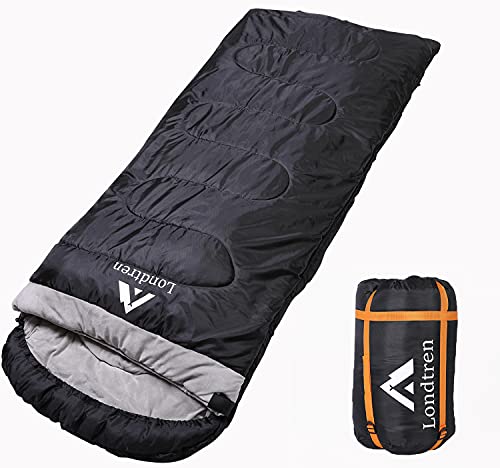
0 Degree Sleeping Bag: Your Ultimate Guide to Sub-Freezing Comfort
Everything you need to know about choosing, using, and caring for a 0°F sleeping bag — so you can sleep warm and wake up ready for adventure.
Why a 0 Degree Sleeping Bag Is a Game-Changer
When the temperature drops below freezing, an ordinary sleeping bag simply won't cut it. A 0 degree sleeping bag is specifically engineered to keep you warm in temperatures as low as 0°F (-18°C), making it the gold standard for cold-weather camping, winter backpacking, and high-altitude expeditions.
Unlike a standard 3-season sleeping bag, a 0°F bag features thicker insulation, a more robust shell, and often a draft collar and hood to trap heat efficiently. Whether you're camping in the snow, trekking through winter camping conditions, or simply want a bag that performs reliably in unpredictable weather, a 0-degree bag delivers the warmth and security you need.
In this guide, we'll walk you through everything you need to know — from understanding temperature ratings and insulation types to the key features that separate a good bag from a great one. By the end, you'll be fully equipped to choose the perfect 0°F sleeping bag for your next cold-weather adventure.
Understanding the 0°F Temperature Rating
Temperature ratings on sleeping bags are standardized by the EN 13537 (Europe) or ISO 23537 (international) testing protocols. These standards provide three key figures:
- Comfort Rating: The temperature at which an average adult woman can sleep comfortably.
- Lower Limit Rating: The temperature at which an average adult man can sleep comfortably (this is often the "0 degree" rating you see advertised).
- Extreme Rating: A survival rating — not a comfort rating — where the risk of hypothermia becomes significant.
It's crucial to understand that a 0°F rating does not mean you'll be cozy at exactly 0°F. Factors like your metabolism, clothing, sleeping pad, and hydration level all affect how warm you'll actually sleep. Many experienced campers choose a bag rated 10–15°F lower than the expected low temperature for a safety margin.
If you're unsure about what temperature rating you need, our sleeping bag temperature guide breaks down the science in plain language. And if you're looking for something even warmer, consider a sub-zero sleeping bag for extreme Arctic conditions.
Down vs. Synthetic Insulation: Which Is Right for You?
The insulation inside your sleeping bag is the single most important factor in determining warmth, weight, and packability. For 0°F bags, you'll typically choose between down and synthetic fills.
🪶 Down Insulation
- Warmth-to-weight ratio: Unbeatable — down bags are significantly lighter for the same warmth.
- Packability: Compresses smaller than synthetic, ideal for backpacking.
- Durability: With proper care, down bags can last decades.
- Moisture: Loses loft when wet and takes long to dry. Look for water-resistant treated down.
- Fill Power: 600–800 fill power is standard for 0°F bags; higher fill power means more warmth per ounce.
- Best for: Backpackers, weight-conscious campers, and dry cold climates.
🧪 Synthetic Insulation
- Warmth-to-weight ratio: Heavier and bulkier than down for the same temperature rating.
- Packability: Less compressible — takes up more space in your pack.
- Durability: Retains warmth even when damp; dries faster than down.
- Moisture: Highly resistant to moisture and humidity.
- Cost: Generally more budget-friendly than high-fill-power down.
- Best for: Wet climates, budget-conscious campers, and those with down allergies.
For a 0°F bag, down is often the preferred choice for backpackers because of its superior warmth-to-weight ratio. However, if you frequently camp in damp conditions or want a more affordable option, a synthetic 0-degree bag is a solid, reliable choice. Our guide to sleeping bags for camping dives deeper into these trade-offs.
Key Features to Look For in a 0 Degree Sleeping Bag
Beyond insulation, several design features make a big difference in comfort and performance. Here's what to prioritize:
-
Draft Collar & Draft Tube
A draft collar wraps around your neck, and a draft tube runs along the zipper to prevent cold air from seeping in. Essential for 0°F performance.
-
Insulated Hood
Your head loses a lot of heat. A well-fitted, insulated hood with a drawcord keeps your noggin warm all night.
-
Zipper Design
Look for anti-snag zippers and consider a two-way zipper for ventilation. A full-length zipper with a locking slider is ideal.
-
Shell Fabric
A water-resistant and windproof shell (like ripstop nylon with DWR) protects the insulation from the elements.
-
Shape & Fit
Mummy bags are the most thermally efficient for 0°F ratings. They reduce air space around your body that your body has to heat.
-
Pad Attachment System
Straps or sleeves that secure the bag to your sleeping pad prevent rolling off and losing insulation underneath.
-
Storage & Care
A large cotton storage sack and a compression stuff sack are standard. Always store your bag uncompressed to preserve loft.
-
Weight & Packed Size
For backpacking, aim for a packed weight under 4 lbs (1.8 kg) and a compressed size that fits your pack.
If you're a side sleeper or tend to get cold easily, consider adding a sleeping bag liner for extra warmth and hygiene. A silk sleeping bag liner adds a few degrees of warmth without much weight.
Entry-Level, Mid-Range, and Premium: What to Expect
0°F sleeping bags are available across a wide spectrum of quality tiers. Here's a breakdown of what you can expect at each level, using universal quality descriptors:
| Feature | Entry-Level | Mid-Range | Premium |
|---|---|---|---|
| Insulation | Synthetic, 550–600 fill power down | 650–750 fill power down or high-quality synthetic | 800+ fill power responsibly sourced down |
| Shell Fabric | Basic polyester or nylon | Ripstop nylon with DWR | Pertex Quantum or similar high-performance fabrics |
| Weight | 4.5–6 lbs | 3–4.5 lbs | 2–3 lbs |
| Packability | Bulky; may require large pack | Compresses to about the size of a basketball | Compresses to the size of a loaf of bread or smaller |
| Durability | Good for occasional use | Excellent for regular seasonal use | Exceptional; built for years of expedition use |
| Best For | Car campers, casual winter campers | Backpackers, serious winter campers | Mountaineers, thru-hikers, extreme conditions |
Mid-range bags typically offer the best balance of performance, weight, and durability for most campers. Premium bags are worth the investment if you plan to spend many nights in sub-freezing temperatures or need to minimize pack weight.
For those who need a bag for warmer conditions, a 20 degree sleeping bag might be more appropriate. And if you're looking for something ultra-lightweight, check out our guide to ultra lightweight sleeping bags.
How to Get the Most Out of Your 0 Degree Sleeping Bag
Even the best bag won't keep you warm if you don't use it correctly. Follow these tips to maximize warmth:
- Insulate from below: Your sleeping pad is just as important as your bag. Use a pad with an R-value of 5 or higher.
- Wear dry layers: Go to bed dry. Wear a base layer and maybe a fleece, but avoid overdressing — sweating will make you cold.
- Pre-warm your bag: Do some jumping jacks or fill a water bottle with hot water and put it in your bag before bed.
- Use a liner: A sleep sack for adults or silk liner adds warmth and keeps your bag clean.
- Ventilate if needed: If you get too warm, open the zipper slightly to avoid sweating.
- Keep it dry: Use a waterproof stuff sack or trash bag inside your backpack to protect your bag from rain and condensation.
If you're camping in extreme cold, you may also want to consider a winter sleeping bag designed for even lower temperatures, or combine your 0°F bag with a tent heater for extra warmth.
Caring for Your 0 Degree Sleeping Bag
Proper care extends the life of your sleeping bag and maintains its warmth. Here's how to keep your 0°F bag in top shape:
- Store uncompressed: Keep your bag in a large cotton or mesh storage sack when not in use. Never store it in a compression sack.
- Clean gently: Wash your bag in a front-loading washing machine on a gentle cycle with a mild, technical detergent. Avoid top-loaders with agitators.
- Dry thoroughly: Tumble dry on low heat with clean tennis balls to break up clumps. This can take several hours — be patient.
- Spot clean: For minor stains, use a damp cloth and mild soap instead of washing the whole bag.
- Avoid frequent washing: Wash only when necessary. Use a liner to reduce the need for cleaning.
With proper care, a high-quality 0°F sleeping bag can last 10–15 years or more, making it a worthwhile investment in your outdoor comfort.
Frequently Asked Questions About 0 Degree Sleeping Bags
Can I use a 0 degree sleeping bag in summer?
Yes, but you'll likely be too warm. A 0°F bag is designed for cold weather. In summer, you can use it as a quilt (unzipped) or choose a lighter bag like a 3-season sleeping bag. Layering is key — you can always vent a warm bag, but you can't add warmth to a bag that's not warm enough.
What is the difference between a 0 degree and a 20 degree sleeping bag?
A 0°F bag is rated for significantly colder temperatures than a 20°F bag. The 0°F bag will have more insulation, a bulkier design, and often additional features like a draft collar. For winter camping, a 0°F bag is generally the minimum recommendation. For three-season camping, a 20 degree sleeping bag is often sufficient.
Is down or synthetic better for a 0 degree bag?
Down is better for backpacking because it's lighter and more compressible. Synthetic is better for wet climates and budget-conscious campers. Both can be excellent — the best choice depends on your specific needs and camping style.
How do I stay warm in a 0 degree sleeping bag?
Wear dry base layers, use a high-R-value sleeping pad, pre-warm your bag, and consider a liner. Also, make sure your bag fits properly — too much empty space means your body has to work harder to heat it. For more tips, see our guide on how to stay warm in winter.
Can I wash my 0 degree sleeping bag at home?
Yes, but use a front-loading machine and a gentle, technical detergent. Avoid fabric softener and bleach. Dry on low heat with tennis balls to restore loft. If you're unsure, professional cleaning is a safe option.
Ready to Sleep Warm?
Explore our top-rated 0 degree sleeping bags and find the perfect match for your next cold-weather adventure.
View Recommended Gear ↓