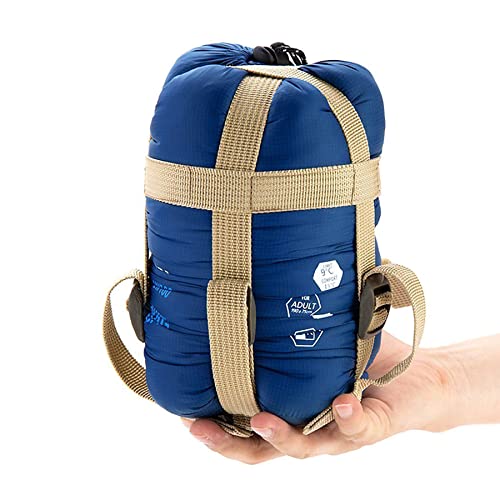
Low Cost Sleeping Bags: Budget-Friendly Comfort for Every Camper
Discover entry-level and mid-range sleeping bags that deliver reliable warmth, durability, and comfort without the premium price tag.
VIEW RECOMMENDED BAGSWhy Low Cost Sleeping Bags Make Sense: Not every camper needs a high-end expedition bag. For weekend trips, car camping, and warm-weather adventures, a well-chosen budget-friendly sleeping bag provides everything you need — and leaves more room in your pack for other essentials.
Understanding Low Cost Sleeping Bags
When you're shopping for low cost sleeping bags, the key is knowing where manufacturers cut costs — and whether those trade-offs matter for your camping style. Budget-friendly bags typically use synthetic insulation instead of down, simpler shell fabrics, and basic construction. For many campers, these differences are perfectly acceptable, especially for occasional use in mild conditions.
The sleeping bag market generally breaks down into three tiers: entry-level bags that prioritize affordability, mid-range options that balance cost with better materials and features, and premium bags built for extreme conditions and long-term durability. If you're camping in spring, summer, or early fall — or you're a casual camper who hits the trails a few times a year — an entry-level or mid-range bag is often the smartest choice.
For a broader look at sleeping bag types and temperature ratings, see our guide to sleeping bags for camping. If you're specifically preparing for cold weather, you may want to explore 3-season sleeping bags or winter sleeping bags instead.
What to Look for in a Budget-Friendly Sleeping Bag
Key Features That Matter
- Temperature Rating: Look for a bag rated for the conditions you'll actually camp in. A 30°F to 50°F bag covers most warm-weather camping.
- Insulation Type: Synthetic fills (polyester, hollow-fiber) are the standard for budget bags — they insulate even when damp and dry quickly.
- Shape: Rectangular bags offer roomy comfort for car camping; mummy bags save weight and trap heat more efficiently.
- Shell Fabric: Polyester and nylon shells are common; look for a water-resistant finish if you expect condensation.
- Zipper Quality: A smooth, snag-free zipper makes a big difference in nightly comfort. Mid-range bags often have better zippers than entry-level models.
- Pack Size: Budget bags tend to be bulkier. If you're backpacking, prioritize a bag with a compression sack.
- Lining: Soft brushed polyester or cotton-flannel linings add comfort without much cost.
Where Budget Bags Cut Corners
- Heavier Weight: Synthetic insulation and simpler fabrics add ounces compared to premium down bags.
- Bulkier Packed Size: Entry-level bags don't compress as tightly, which matters for backpacking.
- Less Precise Temperature Ratings: Budget bags often use "comfort" ratings that are optimistic; plan for a margin of safety.
- Basic Draft Tubes: Mid-range bags typically have better draft collars and zipper guards than the cheapest options.
- Shorter Lifespan: With careful use, a budget bag can last several seasons — but it may not survive the decades a premium bag can.
If you're comparing options, our sleeping bag temperature guide explains how ratings work in practice.
Temperature Ratings: Matching a Budget Bag to Your Conditions
Understanding temperature ratings is essential when shopping for low cost sleeping bags. Most budget bags use a "comfort" or "limit" rating, but real-world performance depends on your sleep style, clothing, and pad insulation. Here's a quick reference:
50°F / 10°C and above
Summer camping, warm nights. A lightweight fleece or liner-style bag works well.
30°F to 50°F / -1°C to 10°C
Spring, summer, and early fall. A 30°F or 40°F synthetic bag is ideal for most campers.
0°F to 30°F / -18°C to -1°C
Late fall and mild winter. Look for a 0°F or 20°F bag with a hood and draft collar.
Below 0°F / -18°C
Winter camping. Budget bags are less suitable; consider a dedicated winter bag.
For a deeper dive into cold-weather options, see our guides to 20-degree sleeping bags and 0-degree sleeping bags. If you need a bag for backpacking, check out ultra-lightweight sleeping bags.
Comparing Low Cost Sleeping Bag Tiers
Use this table to understand the trade-offs between entry-level and mid-range options. Remember: the best bag is the one that matches your camping conditions and comfort needs.
| Feature | Entry-Level | Mid-Range | Premium |
|---|---|---|---|
| Insulation | Basic synthetic, single-layer | Higher-loft synthetic, dual-layer | Down or high-performance synthetic |
| Shell Fabric | Standard polyester | Ripstop nylon or treated polyester | Water-resistant, breathable technical fabrics |
| Weight | Heavier; less packable | Moderate weight; compresses well | Lightweight; highly compressible |
| Zipper & Draft Tube | Basic zipper; minimal draft protection | Smooth zipper; decent draft collar | Premium zippers; full draft tube and collar |
| Temperature Range | Warm weather (40°F–50°F+) | Three-season (20°F–40°F) | All-season, including winter |
| Durability | 1–3 seasons of casual use | 3–5+ seasons of regular use | 5–10+ seasons with care |
| Best For | Occasional campers, kids, backup bag | Regular weekend campers, backpackers on a budget | Backpackers, cold-weather campers, long-term investment |
How to Choose the Right Low Cost Sleeping Bag
Quick Decision Framework
1. Determine your camping season: If you only camp in summer, a 40°F or 50°F bag is sufficient. For spring and fall, look at 20°F or 30°F bags.
2. Decide on shape: Rectangular bags are roomier and great for car camping. Mummy bags are lighter and warmer for backpacking.
3. Consider your sleep style: Cold sleepers should choose a bag rated 10–15°F lower than the expected low temperature. Warm sleepers can often use a lighter bag.
4. Check the packed size: If you're carrying your bag in a backpack, prioritize a bag with a compression sack. For car camping, packed size matters less.
5. Don't forget the pad: A sleeping bag's warmth depends on insulation beneath you. A quality sleeping pad for backpacking or ultralight camping sleeping pad is essential.
If you're new to camping, our first-time camping tips and what to bring camping guides can help you build a complete kit. For families, see camping gear for families.
Making Your Budget Sleeping Bag Last
Even an entry-level bag can deliver years of service with proper care. Here are practical tips:
- Store loosely: Never keep a sleeping bag compressed. Store it in a large cotton or mesh sack to preserve loft.
- Clean carefully: Follow the manufacturer's instructions. Most synthetic bags can be machine-washed on a gentle cycle and tumble-dried on low.
- Use a liner: A silk sleeping bag liner or sleeping bag liner keeps your bag clean and adds warmth.
- Protect from abrasion: Avoid dragging your bag on rough ground. Use a ground sheet or pad underneath.
- Air it out: After each trip, air your bag thoroughly to prevent moisture buildup and odors.
Frequently Asked Questions About Low Cost Sleeping Bags
Are low cost sleeping bags warm enough for camping?
Yes, for warm-weather and three-season camping, a budget-friendly sleeping bag can keep you comfortable. The key is matching the temperature rating to your conditions. A 30°F or 40°F synthetic bag works well for spring through early fall. For colder conditions, you'll need a bag with a lower rating, which may fall into the mid-range or premium tier.
What is the best fill for a budget sleeping bag?
Synthetic insulation is the standard for low cost sleeping bags. It's affordable, insulates when damp, and dries quickly. While it's heavier and bulkier than down, synthetic fills are perfectly adequate for car camping and warm-weather backpacking. Some mid-range bags use higher-quality synthetic fills that offer a better warmth-to-weight ratio.
How do I choose the right size sleeping bag?
Sleeping bag sizes typically correspond to a person's height and build. Most bags list a maximum user height. If you're between sizes, size up for comfort — but remember that a bag that's too large can be less efficient at trapping heat. For backpacking, a snugger mummy bag is more thermally efficient. For car camping, a roomier rectangular bag is more comfortable. See our guide to how to choose tent size for related sizing considerations.
Can I use a low cost sleeping bag for backpacking?
Yes, but choose carefully. Budget bags tend to be heavier and bulkier, which matters when you're carrying your gear. Look for a bag with a compression sack and a temperature rating appropriate for your trip. If you're serious about backpacking, consider a mid-range bag — the weight savings and better packability are often worth the upgrade. Explore our lightweight backpacks for hiking and light-weight backpacking packs guides for more tips.
How should I clean and store my sleeping bag?
Always follow the manufacturer's care instructions. In general, wash synthetic bags in a front-loading machine on a gentle cycle with a mild detergent, then tumble dry on low with a clean tennis ball to restore loft. Never dry-clean a synthetic bag unless specifically instructed. Store your bag loosely in a large sack — never compressed — to maintain insulation performance.
What is the difference between a sleeping bag and a sleeping quilt?
A sleeping bag fully encloses your body with a zipper and hood, while a quilt is open at the back and relies on your sleeping pad for insulation beneath you. Quilts are popular among ultralight backpackers because they save weight. For most casual campers, a traditional sleeping bag is simpler and more familiar. If you're curious about alternative sleep systems, see our guide to tent vs hammock for other options.
Ready to Find Your Perfect Budget Sleeping Bag?
Explore our recommended low cost sleeping bags below — selected for value, comfort, and reliability.
SEE RECOMMENDED BAGSFor more camping gear guidance, explore our camping gear section, learn how much camping costs, or check out camping supplies for cheap. If you're planning a trip, our camping checklists and camping FAQ are great resources.