What to Pack for a One Night Camping Trip
Master the art of the quick overnight escape with our complete packing guide. Everything you need for a memorable one-night adventure under the stars.
VIEW CHECKLISTWhy a One-Night Trip is the Perfect Escape: A single overnight camping trip is the ideal way to disconnect, recharge, and test your gear without a major time commitment. The key to a successful quick trip is packing efficiently—bringing exactly what you need without overloading your vehicle or backpack. This guide walks you through every essential item, from shelter to sustenance, ensuring your one-night adventure is comfortable, safe, and fun.
The Essential One-Night Camping Checklist
For a single overnight stay, your packing strategy should focus on versatility and minimalism. Every item should serve a clear purpose. Use the categories below to build your personalized checklist. If you're new to camping, you might also want to review a broader list of things to bring on a camping trip to ensure you're not missing any foundational gear.
🏕️ Shelter & Sleep
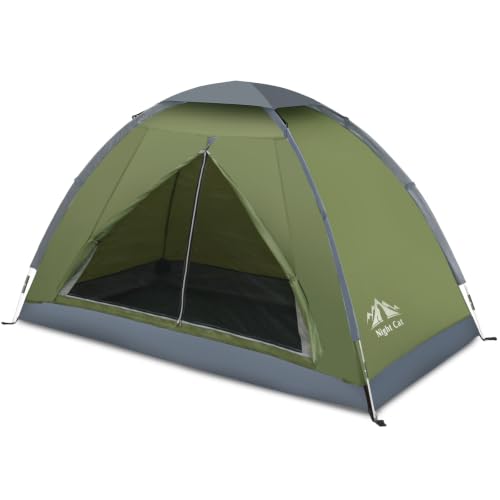
- Tent (appropriate size for your group)
- Sleeping bag (rated for expected temperatures)
- Sleeping pad or air mattress
- Pillow (compact or inflatable)
- Extra blanket (for cooler nights)
- Tent footprint or ground tarp
- Mallet or stakes (if not included)
For comfort, consider an air mattress that fits your tent size. If you're camping with a partner, a single sleeping bag that zips together can be a cozy option.
🍳 Cooking & Food
- Camp stove or portable grill
- Fuel canisters (check compatibility)
- Cookware (pot, pan, spatula)
- Utensils and plates/bowls
- Cooler with ice packs
- Food (prepped and portioned)
- Water bottles or hydration bladder
- Trash bags (pack it out)
- Matches or lighter (waterproof)
Keep it simple with camping food you don't have to cook if you want to minimize cleanup. A reliable cooler is essential—check out options like a cooler that keeps food cold for days.
👕 Clothing & Personal
- Moisture-wicking base layers
- Insulating mid-layer (fleece or down)
- Waterproof outer shell
- Extra socks and underwear
- Sturdy footwear or hiking boots
- Warm hat and gloves (seasonal)
- Pajamas or comfortable sleepwear
- Toiletries (biodegradable soap)
- Quick-dry towel
- Sunscreen and bug repellent
Layering is key. Learn more about layering clothing for winter if you're camping in colder months.
🔦 Lighting & Power
- Headlamp or flashlight (per person)
- Camp lantern for ambient light
- Extra batteries
- Power bank for devices
- Charging cables
A rechargeable camping lantern and bug zapper can serve double duty. For extended trips, a camping power bank is a must-have.
🛡️ Safety & Navigation
- First aid kit
- Map and compass (or GPS device)
- Multi-tool or knife
- Whistle and emergency signals
- Fire extinguisher or fire starter
- Sun protection (hat, sunglasses)
- Insect repellent
- Emergency blanket
Always prioritize safety. Familiarize yourself with first aid for camping and emergency SOS signals.
🪑 Furniture & Comfort
- Camping chairs (compact)
- Small camp table
- Hammock (optional)
- Rug or mat for tent entrance
- Camp pillow (if not already packed)
For a touch of luxury, consider a camping loveseat or a camping chair that's easy to get out of.
💡 Pro Tip: For a one-night trip, avoid overpacking. Lay out everything you think you need, then remove 20%. You'll likely not use half of the "just in case" items. Focus on quality essentials over quantity. Also, check the weather forecast and adjust your clothing and shelter accordingly.
Packing by Priority: The Three-Tier System
Not all items are equally important. Use this three-tier system to ensure you pack the most critical items first, then add comfort and luxury items as space allows.
| Tier | Description | Examples |
|---|---|---|
| Tier 1: Life-Support | Items you cannot safely camp without. These are non-negotiable. | Shelter, sleeping bag, water, food, first aid kit, lighting, weather-appropriate clothing. |
| Tier 2: Comfort | Items that significantly improve your experience and are worth the space. | Camp chair, pillow, extra blanket, camp stove, coffee maker, lantern. |
| Tier 3: Luxury | Nice-to-have items that are optional. Only bring if you have room and they won't weigh you down. | Hammock, books, games, extra cooking gadgets, decorative lighting. |
What to Leave Behind
Just as important as what you pack is what you don't pack. For a one-night trip, leave these items at home to keep your load light and your setup simple:
- Heavy, bulky furniture: A large camp table or oversized chair is unnecessary for one night.
- Multiple cooking systems: One stove is enough. Don't bring a grill, a stove, and a fire pit.
- Excessive clothing: You only need one outfit for the evening and one for the morning, plus layers.
- Perishable food that requires complex prep: Keep meals simple. Pre-chop and pre-cook if possible.
- Electronics you won't use: Leave the laptop and tablet at home. A phone and a power bank are sufficient.
Setting Up Camp: A Quick Guide
Once you arrive at your campsite, efficiency is key. Follow these steps for a smooth setup:
- Choose your spot: Look for level, dry ground away from dead trees or low areas that could flood. If you're camping in a developed area, check state park rules or national park rules for specific guidelines.
- Set up shelter first: Pitch your tent before it gets dark. If rain is expected, learn how to set up a tent in the rain to keep your gear dry.
- Organize your kitchen: Set up your cooking area away from your tent. Keep food stored securely to avoid attracting wildlife—familiarize yourself with food storage rules.
- Prepare your sleep system: Inflate your pad, lay out your sleeping bag, and arrange your pillow. A comfortable bed makes all the difference.
- Light your camp: Set up lanterns and headlamps before dark. A well-lit camp is safer and more enjoyable.
Food and Water: Simple and Satisfying
For a one-night trip, you only need dinner, breakfast, and snacks. Keep it simple and delicious. Here are some ideas:
🍽️ Dinner Ideas
- Pre-made foil packet meals (chicken, veggies, potatoes)
- Hot dogs or sausages over the fire
- Instant noodles with added protein
- Canned chili or soup
- Grilled cheese sandwiches
🥞 Breakfast Ideas
- Instant oatmeal with nuts and dried fruit
- Pre-made breakfast burritos (wrapped in foil)
- Pancake mix (just add water)
- Coffee or tea (bring your favorite)
- Energy bars and fruit
💧 Water & Hydration
- Bring at least 1 gallon per person per day
- Water filter or purification tablets (if water source is available)
- Electrolyte packets for hot weather
- Insulated water bottle
Safety and Leave No Trace Principles
Camping responsibly ensures that you and future campers can enjoy the outdoors. Follow these key principles:
- Plan ahead: Check weather alerts and know the campfire regulations for your area.
- Dispose of waste properly: Pack out all trash, including food scraps. Use designated toilets or dig a cathole 6-8 inches deep and 200 feet from water.
- Leave what you find: Don't pick flowers, disturb rocks, or take artifacts.
- Minimize campfire impact: Use a camp stove for cooking and keep fires small. Always extinguish your campfire completely before leaving or going to sleep.
- Respect wildlife: Observe from a distance. Never feed animals. Store food securely—learn how to store food from bears if camping in bear country.
- Be considerate of others: Keep noise levels low, especially during quiet hours.
Frequently Asked Questions
Do I really need a tent for a one-night trip?
While you can sleep under the stars in good weather, a tent provides protection from bugs, dew, and unexpected rain. It also offers privacy and a sense of security. For a one-night trip, a simple, easy-to-set-up tent is ideal. If you're looking for the easiest 2-person tent to set up, there are many quick-pitch options available.
What if I forget something important?
First, don't panic. Many campsites have nearby stores for essentials. If not, improvise. Forgot a pillow? Use a stuff sack filled with clothes. Forgot a lantern? Your phone flashlight works in a pinch. The key is to stay calm and enjoy the experience. For future trips, use a packing checklist to avoid forgetting items.
How do I keep food safe from animals?
Never store food in your tent. Use a cooler in your car or a secure food storage locker if available. In bear country, use a bear canister or hang your food in a tree far from your campsite. Learn more about food storage rules to keep both you and wildlife safe.
Can I bring my dog on a one-night camping trip?
Yes, many campsites are dog-friendly, but always check the rules beforehand. Bring a leash, food, water bowl, and waste bags. Be mindful of other campers and wildlife. For tips, read our guide on camping with dogs and taking a dog camping for the first time.
What's the best way to pack my car for a quick trip?
Keep the most important items (tent, sleeping bags, food) easily accessible. Pack heavier items low and toward the center of the vehicle. Use bins or bags to organize gear by category. If you're new to packing, learn how to pack for a camping trip efficiently.
Ready to plan your one-night adventure? Use our checklist above to pack with confidence. Remember, the best camping trip is one where you're prepared, comfortable, and ready to enjoy the great outdoors.
Explore More Packing GuidesRelated Resources: For more detailed packing advice, check out our guides on what to pack for a 2-night camping trip and what to pack for an overnight camping trip. If you're camping with friends, see what to bring on a camping trip with friends. And for a comprehensive list, visit our list of things to bring on a camping trip.