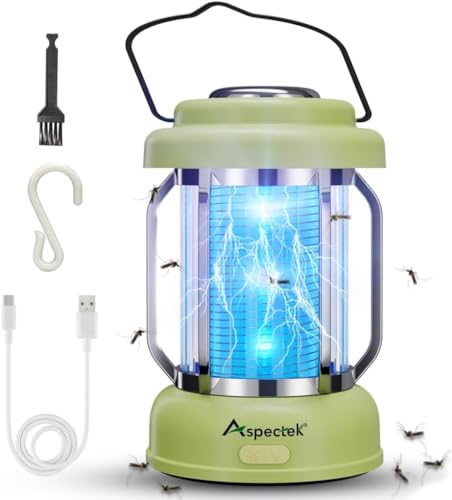
2 in 1 Rechargeable Camping Lantern and Bug Zapper
Light up your campsite and keep mosquitoes at bay with a single dual-purpose device. Learn how these lantern-zapper combos work and how to choose the right one.
EXPLORE THE GUIDEWhy campers love them: One device that illuminates your tent or picnic table while quietly eliminating flying insects means less gear to pack, fewer batteries to manage, and a more comfortable evening outdoors.
What Is a 2 in 1 Rechargeable Camping Lantern and Bug Zapper?
A 2 in 1 rechargeable camping lantern and bug zapper is a portable outdoor light that combines two functions in one housing: an LED lantern for area illumination and a UV insect attractant paired with an electric zapping grid. Instead of carrying a separate lantern and a separate mosquito killer, you bring one rechargeable unit that handles both jobs.
These devices have become popular with campers, RVers, and backyard entertainers because they reduce clutter and eliminate the need for disposable batteries. Most models charge via USB, and many allow you to run the lantern and the zapper independently — so you can light your tent without running the zapper, or run the zapper while you sit in the dark.
If you are still building out your camp kit, it helps to review a broader list of what you need to bring on a camping trip so you understand where a lantern-zapper fits alongside your shelter, sleep system, and cooking gear.
How Does a Lantern Bug Zapper Actually Work?
The working principle is straightforward, but understanding it helps you use the device effectively.
- The lantern mode uses LED panels or a ring of LEDs to produce bright, even light. This is the mode you use for reading, cooking, or lighting a picnic table.
- The UV attractant emits a specific wavelength of ultraviolet light that many flying insects — including mosquitoes, gnats, and moths — find attractive.
- The electric grid surrounds the UV light. When an insect flies toward the UV source, it contacts the charged metal grid and is eliminated instantly.
- The protective cage sits outside the grid so fingers, paws, and tent fabric cannot accidentally touch the live grid.
Most modern units let you toggle between lantern-only, zapper-only, and combined modes. For tent use, run lantern-only and keep the zapper off — the UV light would otherwise draw insects toward your sleeping area. For patio or campsite use, run both modes together to light the area and reduce biting insects.
Key Features to Compare Before You Buy
Not all lantern-zapper combos are built the same. The features below are the ones that matter most for real-world camping performance.
Battery Capacity & Runtime
Entry-level models often run a few hours on high brightness. Mid-range and premium units with larger cells can run through a full night on lower settings. Check the stated runtime for each mode separately.
Brightness (Lumens)
Look for adjustable brightness. Lower settings conserve battery for long evenings; higher settings light up a whole campsite or picnic table.
Independent Modes
The best units let you run the lantern without the zapper and the zapper without the lantern. This flexibility is essential for tent camping.
Charging Method
USB-C is now the standard and charges faster than micro-USB. Some premium models support solar charging or can act as a power bank for your phone.
Water Resistance
An IPX4 or higher rating means the unit can handle rain splashes and damp campsite conditions. Look for a higher rating if you camp in wet climates.
Build & Mounting
A folding hook or built-in handle lets you hang the lantern from a tent loop or branch. A stable base lets it stand on a table. Look for both.
Grid Cleaning
Over time, insects accumulate on the grid. Choose a model with a removable or easily accessible grid so cleaning is quick and safe.
Noise Level
The zapping grid produces a crackling sound when it eliminates an insect. Some units are louder than others; if you are a light sleeper, read owner feedback on noise.
Quality Tiers: Entry-Level, Mid-Range, and Premium
Because we do not list prices on this page, it helps to think in terms of quality tiers. Here is how the three main tiers typically differ.
| Feature | Entry-Level | Mid-Range | Premium |
|---|---|---|---|
| Battery runtime | Shorter runtime, often a few hours on high | Full-night runtime on moderate settings | Multi-night runtime with larger cells |
| Brightness | Basic fixed or two-step brightness | Multiple brightness levels | Wide dimming range plus emergency modes |
| Charging | Micro-USB or basic USB | USB-C fast charging | USB-C plus solar or power-bank output |
| Water resistance | Minimal or none | IPX4 splash resistant | IPX5 or higher, sealed ports |
| Build quality | Basic plastic housing | Reinforced housing, folding hook | Rugged housing, metal components, carrying case |
| Zapper coverage | Small grid, limited coverage | Larger grid, effective for a small campsite | Large grid plus optimized UV wavelength |
As a general rule, mid-range models offer the best balance for most campers. Entry-level units are fine for occasional backyard use, while premium models make sense for frequent campers, RVers, and anyone who needs reliable multi-night runtime.
Pros and Cons of Lantern Bug Zapper Combos
Advantages
- One device replaces two pieces of gear
- Rechargeable — no disposable batteries
- Independent light and zapper modes
- Quiet operation compared to some propane or chemical solutions
- Works indoors and outdoors
- Often doubles as a power bank for phones
Limitations
- Zapping grid needs periodic cleaning
- UV light attracts insects, so placement matters
- Runtime drops quickly on high brightness
- Not a replacement for a full mosquito net in high-pressure areas
- Some models are louder than expected
How to Use a Lantern Bug Zapper Effectively
Placement and mode selection make a big difference in how well the device performs.
- Hang it away from your seating area. The UV light pulls insects toward the unit. Hang it several feet away from where you sit, eat, or sleep so the insects are drawn away from you, not toward you.
- Run lantern-only inside tents. Keep the zapper off in enclosed spaces. The UV light would otherwise attract insects into your sleeping area.
- Use both modes at the campsite. When you are sitting around a picnic table or campfire, running both modes lights the area and reduces biting insects nearby.
- Clean the grid regularly. A clogged grid loses effectiveness. Follow the manufacturer's cleaning instructions and never touch the grid while the unit is powered on.
- Charge before every trip. Even if the unit holds charge well, top it off before you leave. A dead lantern is worse than no lantern.
- Bring a backup light. Treat the lantern-zapper as your primary ambient light, but carry a small headlamp or flashlight as a backup for walks to the bathroom or late-night tasks.
Pair this device with a broader list of camping gear you didn't know you needed to make sure your camp setup is complete.
Who Should Buy a 2 in 1 Lantern and Bug Zapper?
These devices are especially useful for:
- Car campers and family campers who want a single light source that also reduces insects around the picnic table.
- RV and van campers who want a compact, rechargeable light that doubles as a mosquito deterrent at the campsite.
- Backyard entertainers who host evening dinners or gatherings and want fewer mosquitoes without chemical sprays.
- Festival campers who need a reliable light and some insect relief in a crowded camping area.
- Emergency preparedness kits where a rechargeable light with multiple functions is more valuable than a single-purpose lantern.
If you are new to camping in general, start with a solid first time camping tips guide before investing in specialty gear. If you are packing for a specific trip, a what to pack for a camping trip checklist will help you decide whether a lantern-zapper belongs in your bag.
Common Mistakes to Avoid
- Running the zapper inside a tent. This attracts insects toward you instead of away from you.
- Hanging the unit directly over your head. Insects drawn to the UV light will hover near you. Hang it away from seating and sleeping areas.
- Ignoring the water resistance rating. A non-water-resistant unit left out in dew or rain may fail. Check the IP rating before you buy.
- Forgetting to clean the grid. A coated grid loses zapping power and can develop odors. Clean it after each trip.
- Relying on it as your only light. Always bring a backup flashlight or headlamp.
Frequently Asked Questions
How does a 2 in 1 rechargeable camping lantern and bug zapper work?
These devices combine a rechargeable LED light panel with a UV mosquito attractant and an electric zapping grid. The lantern illuminates your campsite while the UV light lures flying insects toward the grid, where they are eliminated on contact. Most models let you run the light and zapper together or independently.
Are rechargeable bug zapper lanterns safe around people and pets?
Yes, when used as directed. The zapping grid is enclosed behind a protective cage that prevents accidental contact. The UV light is not harmful to eyes in short exposure, and the unit does not use chemical sprays or odors. Always hang the unit out of reach of children and pets and avoid touching the internal grid.
How long does the battery last on a 2 in 1 camping lantern and bug zapper?
Runtime depends on the mode and brightness setting. Entry-level models often run several hours in lantern-only mode and fewer hours with the zapper active. Mid-range and premium models with larger battery cells can last through a full night on lower brightness. Check the manufacturer's stated runtime for each mode before buying.
Can I use a bug zapper lantern indoors?
Many models are designed for both indoor and outdoor use, but you should only run the zapper indoors in well-ventilated, unoccupied rooms. The UV light attracts insects, and the zapping grid can produce a slight odor and noise. For tents and small enclosed spaces, use lantern-only mode and keep the zapper off.
What should I look for when choosing a rechargeable lantern bug zapper?
Prioritize battery capacity and runtime, brightness in lumens, whether light and zapper modes work independently, charging method such as USB-C, water resistance rating, build quality, and whether the unit can be hung or stood on a flat surface. Also consider the size of the protective cage and how easy it is to clean the zapping grid.
Final Thoughts
A 2 in 1 rechargeable camping lantern and bug zapper is a genuinely useful piece of gear for anyone who spends evenings outdoors. It reduces the number of items you need to pack, eliminates disposable batteries, and gives you control over both lighting and flying insects with a single device.
The key is to choose a model that matches your camping style. If you mainly camp in a tent, prioritize lantern-only mode and a warm, dimmable light. If you camp with an RV or in a backyard setting, prioritize zapper coverage and battery runtime. Whichever tier you choose, focus on independent modes, USB-C charging, and a water resistance rating that matches your climate.
For a complete camp setup, combine this device with a solid what to bring on a camping trip checklist and a reliable camping power bank so you can recharge your lantern and your phone on longer trips.