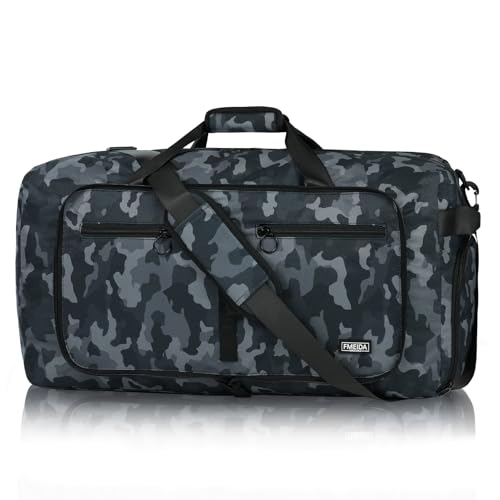
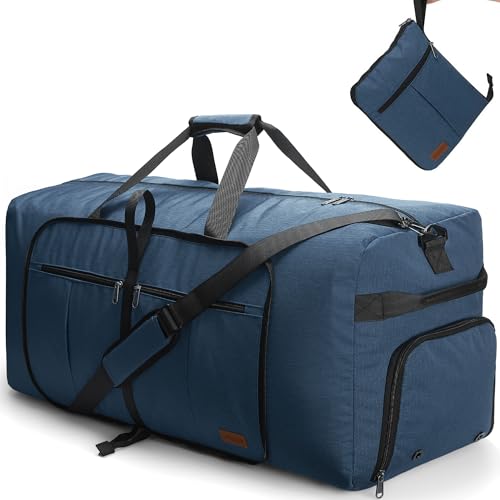
What to Pack for an Overnight Camping Trip
Master the art of packing light without sacrificing comfort. This comprehensive guide covers everything you need for a successful one-night outdoor adventure.
Your Essential Overnight Camping Checklist
An overnight camping trip is the perfect introduction to outdoor living. It's long enough to disconnect and enjoy nature, but short enough to pack efficiently. However, the key to a memorable experience lies in preparation. Whether you're planning a spontaneous weekend escape or a carefully organized adventure, knowing what you need to bring on a camping trip is crucial.
Unlike a week-long expedition, an overnight trip requires you to prioritize. You don't need to bring the kitchen sink, but you do need to be comfortable and safe. This guide breaks down the essentials into logical categories, helping you build the perfect camping packing list for a single night under the stars.
1. Shelter and Sleep System
Your shelter and sleep gear are the foundation of a comfortable overnight trip. A poor night's sleep can ruin the entire experience, so don't cut corners here.
Tent or Shelter
For a single overnight trip, a simple, easy-to-pitch tent is your best friend. If you're camping solo, a lightweight 1-person or 2-person tent provides ample space. For couples or small families, choose a tent that comfortably fits your group size. If you're unsure about capacity, our guide on how to choose tent size can help. For those who prefer hammock camping, a hammock that can be used as a tent offers a unique and compact alternative.
- Entry-level: Simple dome tents that are lightweight and easy to set up.
- Mid-range: Tents with better ventilation, sturdier poles, and a small vestibule for gear storage.
- Premium: Four-season tents or ultra-light backpacking models with advanced weather protection.
Sleeping Bag
A sleeping bag rated for the expected low temperature is essential. For summer overnight trips, a lightweight bag rated around 30-40°F is usually sufficient. If you're camping in cooler months, you'll need a bag with a lower temperature rating. Check our sleeping bag temperature guide to match your bag to the conditions. For couples, a single sleeping bag that zips together to make a double is a cozy option.
Sleeping Pad or Air Mattress
Ground insulation is non-negotiable. A sleeping pad provides cushioning and, more importantly, insulation from the cold ground. For car campers, a deluxe queen air bed with built-in pump offers hotel-like comfort. If you're backpacking, a lightweight inflatable pad is a better choice. A most comfortable way to sleep in a tent often involves a combination of a pad and a bag.
- Budget-friendly: Closed-cell foam pads are durable and inexpensive but bulkier.
- Mid-tier: Self-inflating pads offer a good balance of comfort and packability.
- High-end: Ultralight inflatable pads with high R-values for superior warmth and minimal weight.
Pillow
A small camping pillow or a stuff sack filled with soft clothing can make a big difference in comfort. Don't underestimate the value of a good pillow for a restful night.
2. Clothing and Personal Items
Packing the right clothing for an overnight trip means preparing for changing conditions. Even in summer, nights can get chilly. The key is layering.
Clothing Essentials
- Base Layer: Moisture-wicking t-shirt or long-sleeve shirt (avoid cotton).
- Insulating Layer: Fleece jacket or light down jacket for cool evenings.
- Outer Layer: Waterproof and windproof jacket or rain shell.
- Pants: Comfortable hiking pants or shorts. Consider convertible pants for versatility.
- Footwear: Sturdy hiking boots or trail shoes, plus a pair of camp sandals or sneakers.
- Socks: Extra wool or synthetic socks to keep feet dry.
- Hat and Gloves: A beanie and lightweight gloves are essential for cool nights.
- Sleepwear: Dedicated clothes for sleeping keep your bag clean and warm.
If you're camping in colder weather, layering becomes even more critical. Learn the layering clothing system to stay warm and dry.
Personal Items
- Toothbrush, toothpaste, and biodegradable soap.
- Quick-dry towel.
- Sunscreen and lip balm with SPF.
- Insect repellent.
- Personal medications.
- Toilet paper and a small trowel (for primitive camping).
For a refreshing experience, consider a solar shower for a warm rinse after a long hike. It's a lightweight luxury that can elevate your overnight trip.
3. Food, Water, and Cooking Gear
For a single overnight trip, you can keep your menu simple. The goal is to eat well without spending hours cooking or cleaning up.
Food Ideas
Plan for dinner, breakfast, and snacks. Choose foods that are easy to prepare and don't require extensive refrigeration. If you want to avoid cooking altogether, there are plenty of camping food you don't have to cook. For those who enjoy cooking, consider good camping food that doesn't need refrigeration.
- Dinner: Dehydrated meals, pre-made foil packets, or simple one-pot pasta.
- Breakfast: Instant oatmeal, granola bars, or coffee/tea.
- Snacks: Trail mix, nuts, dried fruit, and energy bars.
Cooking Gear
- Camp Stove: A lightweight backpacking stove or a two-burner camp stove for car camping.
- Cookware: A small pot or pan, and utensils.
- Bowls and Mugs: Collapsible bowls and insulated mugs save space.
- Cooler: For car camping, a cooler that keeps food cold for 5 days is overkill for one night, but a standard cooler works perfectly to keep drinks and perishables fresh.
Water
Bring at least one gallon of water per person per day for drinking and basic cleaning. If you're camping near a natural water source, a water filter or purification tablets can supplement your supply. Our guide on water filters technology explains your options.
4. Lighting, Tools, and Safety Essentials
Don't get caught in the dark. Proper lighting and safety gear are non-negotiable for any overnight trip.
Lighting
- Headlamp: Hands-free lighting is essential for setting up camp, cooking, and navigating at night.
- Lantern: A 2-in-1 rechargeable camping lantern and bug zapper can illuminate your site and keep bugs at bay.
- Extra Batteries: Always bring spares for your devices.
Tools
- Multi-tool or Knife: Essential for cutting rope, preparing food, and repairs.
- Duct Tape: A small roll can fix almost anything.
- Paracord: Useful for hanging food, setting up a tarp, or clotheslines.
Safety and First Aid
Safety should always be a priority. A basic first aid kit is essential. For more comprehensive information, see our guide on first aid for camping and common camping injuries. If you're camping in bear country, proper food storage is critical. Learn food storage rules and consider bear spray vs gun for protection.
- First Aid Kit (bandages, antiseptic, blister treatment, personal meds).
- Fire starter (lighter, waterproof matches, ferro rod).
- Emergency blanket.
- Whistle or emergency SOS signals.
- Map and compass (or a digital compass guide).
- Fully charged phone and a camping power bank.
Before you leave, always practice Leave No Trace principles and check campfire safety rules if you plan to have a fire.
Final Thoughts: Pack Smart, Camp Happy
Packing for an overnight camping trip doesn't have to be stressful. By focusing on the essentials—shelter, sleep, clothing, food, and safety—you'll be well-prepared for a memorable adventure. Remember, the best way to refine your packing list is through experience. Start with this guide, and adjust based on your personal needs and the specific conditions of your trip.
Whether you're heading out for a one night camping trip or planning a 2 night camping trip, the principles remain the same: bring what you need, but don't overpack. Your back (and your car) will thank you.
Ready to plan your next adventure? Explore our camping checklists for more detailed lists, or dive into our camping gear guides to find the perfect equipment for your needs.