Taking a Dog Camping for the First Time
Everything you need to know to make your dog's first camping trip safe, comfortable, and enjoyable for both of you.
START PLANNINGBringing your dog camping for the first time? It's an unforgettable experience — but it requires preparation. From choosing the right campsite to packing the proper gear, this guide covers everything you need to know so your four-legged friend stays happy, safe, and welcome.
Is Your Dog Ready for Camping?
Not every dog is naturally suited for the great outdoors. Before you pack the car, consider your dog's temperament, age, and health. Dogs that are anxious, reactive, or easily overwhelmed may find camping stressful. On the other hand, well-socialized, curious, and obedient dogs often thrive in nature. Puppies under six months and senior dogs with mobility issues may also struggle with the physical demands of camping.
A good first step is a trial run — set up a tent in your backyard and spend a few hours there together. This low-stakes introduction helps your dog get used to the sounds, smells, and confined space of a tent before you're miles from home. If your dog enjoys that experience, they're likely ready for the real thing. For more general preparation tips, see our guide on first time camping tips.
Choosing a Dog-Friendly Campsite
Not all campgrounds welcome dogs, and those that do often have specific rules. Start by researching pet policies — many national parks have strict leash requirements and limited trails where dogs are allowed. State parks and private campgrounds are often more accommodating. Look for campsites with plenty of shade, easy access to water, and designated dog-walking areas.
If you're camping with a dog in a tent, ensure the campsite has a flat, clean area for your tent and enough space for a tie-out stake or a portable dog run. Avoid sites near busy roads or steep drop-offs. For those considering a more rugged experience, read about camping with a dog in a tent for specific setup advice. If you're still deciding on a camping style, our camping FAQ covers common questions about campground versus wild camping.
Essential Dog Camping Gear
Packing for your dog is just as important as packing for yourself. Here's what you'll need to keep your dog comfortable and safe:
- Dog bed or camping mat
- Extra blanket for warmth
- Travel crate (if your dog is crate-trained)
- Collapsible food and water bowls
- Enough food for the trip + extra
- Portable water bottle
- Dog treats for rewards
- 6-foot leash and harness
- Tie-out stake or long line
- ID tags with current info
- Reflective collar or vest
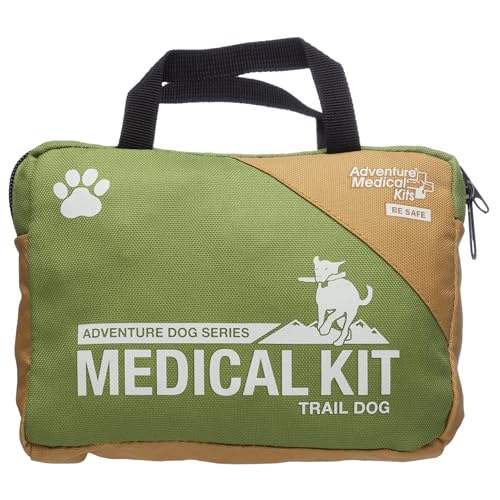
- Pet first aid kit
- Flea and tick prevention
- Waste bags (biodegradable)
- Dog-safe insect repellent
💡 Pro Tip: Pack a Dog-Specific First Aid Kit
Include gauze, self-adhesive bandages, tweezers, tick removal tools, antiseptic wipes, and any medications your dog takes regularly. Also bring a copy of your vet's contact information and your dog's vaccination records. For more comprehensive safety preparation, see our first aid for camping guide.
Safety and Campsite Etiquette
Keeping your dog safe goes hand-in-hand with being a good campsite neighbor. Always keep your dog on a leash or securely tied when not inside your tent or vehicle. This protects your dog from wildlife, other campers, and potential hazards. Never leave your dog unattended — even for a short hike. If you're in bear country, store dog food in a secure container or hang it away from your tent, just as you would your own food. Our food storage rules apply to pet food too.
⚠️ Wildlife Warning: Dogs can provoke wildlife encounters. Keep your dog close and under control at all times. If you encounter a bear, do not let your dog chase it. Learn more about wildlife safety in our bear spray vs gun comparison and camping with dogs rules.
Etiquette matters. Always pick up after your dog and dispose of waste properly. Don't let your dog bark excessively or approach other campers without permission. Respect quiet hours — check your campground's quiet hours policy. Following Leave No Trace principles ensures that both you and your dog are welcome back.
Training and Preparation Before the Trip
A well-trained dog makes camping far more enjoyable. Practice basic commands like "sit," "stay," "come," and "leave it" in distracting outdoor environments before your trip. If your dog isn't reliable off-leash, don't risk it — keep them leashed. Consider a reflective vest or light-up collar for visibility during evening walks. If your dog has never slept in a tent, do a few practice nights in the backyard.
Also, think about temperature. Dogs can overheat quickly, especially in warm weather. Bring plenty of water and offer it frequently. On the flip side, cold nights can be tough on short-haired breeds — pack a dog jacket or extra blanket. For cold-weather trips, read our winter camping guide for additional considerations.
Common Challenges and How to Handle Them
Even the best-prepared dog may face challenges. Here are a few common issues and solutions:
- Anxiety or whining: Bring a familiar toy or blanket. Keep the first trip short and stay calm.
- Not eating: Stress can suppress appetite. Try offering high-value treats or mixing in a little wet food.
- Paw injuries: Check paws after hikes. Bring booties if terrain is rough or hot.
- Escape attempts: Double-check harness fit and tie-out security. A frightened dog can slip a collar.
If your dog becomes overly stressed, it's okay to cut the trip short. A positive first experience is more important than a long one. For more insights on camping with pets, explore our camping with dogs rules page.
Frequently Asked Questions
Can I take my dog camping for the first time at a national park?
Many national parks allow dogs but with restrictions — usually they must be on a leash no longer than 6 feet and are only allowed in developed areas, not on trails. Always check the specific park's rules before you go.
What if my dog barks at night?
Barking can disturb other campers. Try to tire your dog out with exercise during the day, bring a familiar item, and consider a calming supplement if your vet approves. If barking persists, a short trip or a more isolated campsite may be better.
How do I keep my dog warm in a tent?
Bring a dog-specific sleeping pad or bed, an extra blanket, and consider a dog jacket. Keep your dog close to you for body heat. For more tips, see our how to stay warm in winter guide.
Should I bring dog food that needs refrigeration?
It's easier to bring dry kibble that doesn't require cooling. If your dog eats wet food, consider shelf-stable options or a cooler. Check our list of camping food that doesn't need refrigeration for ideas.
More resources: If you're new to camping in general, start with our what to bring on your first camping trip guide. For a complete packing list, see what to pack for a camping trip. And if you're camping with a dog in a tent, don't miss camping with a dog in a tent.