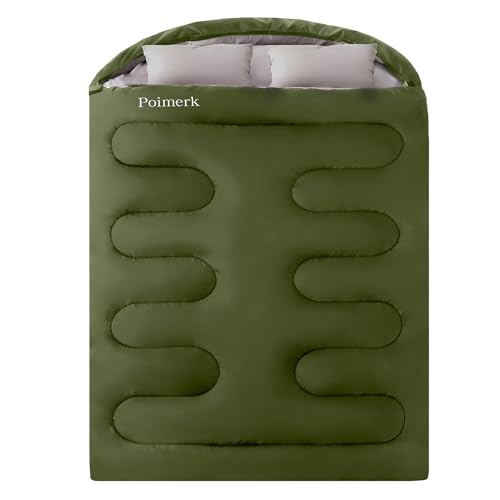
Single Sleeping Bags That Zip Together to Make a Double
Everything you need to know about creating a comfortable, warm, and versatile double sleep system from two individual sleeping bags. Learn about zipper compatibility, shapes, temperature ratings, and expert tips for a seamless camping experience.
For couples, the idea of sharing a sleeping bag is appealing, but a dedicated double bag can be bulky, heavy, and expensive. A smarter solution is to choose single sleeping bags that zip together to make a double. This approach gives you the flexibility to use each bag separately on solo trips and combine them when camping as a pair.
However, not all sleeping bags are designed to connect. Zipper type, side orientation, length, and shape all play a role. This guide breaks down exactly what to look for, so you can build a reliable two-person sleep system without guesswork.
How Zip-Together Sleeping Bags Work
The concept is simple: each single bag has a full-length zipper on one side. When you place a left-zip bag next to a right-zip bag, the two zippers align. By joining them, you create one large sleeping bag with a shared interior. The result is a double bag that is often more versatile than a factory-made double.
Left-Zip and Right-Zip: The Key Pairing
A sleeping bag is classified as either left-zip or right-zip based on where the zipper sits when you are inside the bag. A left-zip bag has the zipper on your left side, and a right-zip bag has it on your right. To zip two bags together, you need one of each. Two left-zip bags will not connect because the zippers would be on opposite sides of the combined unit.
Most major brands, including those that produce all-in-one sleeping bag and mattress systems, offer both left and right versions of the same model. This is the most reliable way to ensure a perfect fit.
Zipper Compatibility: More Than Just Left and Right
Even if you have one left and one right bag, the zippers must be compatible. Zipper size, tooth profile, and slider type vary between manufacturers. A #5 coil zipper from one brand may not mesh smoothly with a #5 coil from another. The safest approach is to buy two bags from the same brand and model line.
If you already own one bag, check the manufacturer's documentation for the exact zipper specification. Many brands sell matching bags specifically designed to pair with their existing models. If you need a new bag for yourself, consider the double sleeping bag that converts to two singles as an alternative that offers similar flexibility.
Shape and Size Considerations
The shape of your sleeping bags affects how well they pair and how comfortable the combined double will be.
| Shape | Pairing Potential | Comfort & Notes |
|---|---|---|
| Mummy | Excellent if same model | Contoured shape creates a snug double. Best for couples who sleep close. Limited room for movement. |
| Rectangular | Very good | Offers the most space and freedom of movement. Ideal for couples who prefer a roomier sleep surface. |
| Semirectangular | Good | A balance between warmth and space. Pairs well when both bags are the same model. |
| Double-wide single | Not applicable | These are already wide enough for one person. They are not designed to zip to another bag. |
Pro Tip: For the most comfortable double setup, choose two rectangular bags of the same model. They create a spacious, flat sleep area that feels like a true double bed. Mummy bags are warmer but more restrictive when paired.
Temperature Ratings and Warmth
When you zip two bags together, the combined temperature rating does not simply add up. The new rating depends on the individual ratings, the fit, and the sleeping pads underneath.
How Ratings Translate
If you pair two bags rated for 20°F (-7°C), the combined bag will generally perform around that same rating, perhaps slightly warmer due to shared body heat. However, if there are gaps or the bags do not seal perfectly, cold air can enter. The shared body heat of two people often compensates for minor inefficiencies.
For cold-weather camping, consider pairing two winter sleeping bags of the same model. Their insulation and baffle design are optimized for low temperatures, and pairing them creates a warm, secure cocoon.
The Role of Sleeping Pads
No sleeping bag provides warmth from below; that is the job of your sleeping pad. When you zip two bags together, you need two pads side by side. Use pads with a high R-value to prevent heat loss to the ground. For a seamless surface, consider a deluxe queen air bed with built-in pump or two rectangular pads that can be strapped together.
Why Choose Zip-Together Singles Over a Dedicated Double?
- Versatility: Use them separately on solo trips or together as a couple. One purchase covers multiple scenarios.
- Cost-effectiveness: Often more affordable than buying a dedicated double bag plus a single bag.
- Packing flexibility: Two smaller bags are easier to pack into separate backpacks or store in tight spaces.
- Temperature control: Each person can adjust their own bag's ventilation without affecting the other.
- Replacement simplicity: If one bag wears out, you only replace one, not the entire double system.
What to Look For When Buying
Before you buy, verify these key details to ensure your two bags will actually zip together.
1. Zipper Side and Type
Confirm that one bag is left-zip and the other is right-zip. Check the zipper size and brand. The best way is to buy the same model in both configurations. Many product listings clearly state "left zip" or "right zip" in the specifications.
2. Length and Width
Bags of different lengths can still zip together, but the result may be uneven. For the best fit, choose bags of the same length. Width matters too: two wide bags create a very spacious double, while two narrow mummy bags create a snug one.
3. Insulation and Fill
Down and synthetic fills behave differently. Down is lighter and more compressible, while synthetic handles moisture better. For couples camping in humid conditions, synthetic bags may be a safer choice. For cold, dry conditions, down offers superior warmth-to-weight.
4. Draft Collars and Hoods
When two bags are zipped together, the hoods and draft collars become less effective because they are now on the outer edges. Some couples prefer to use the bags without hoods or to tuck the hoods away. Rectangular bags without hoods often work best for pairing.
Tips for a Comfortable Double Setup
- Use a double-wide sleeping pad or two pads strapped together to prevent the bags from sliding apart.
- Place a blanket or quilt over the top to seal any gaps along the zipper line and add warmth.
- Ventilate as needed by opening the foot box or the top of the combined bag if it gets too warm.
- Practice zipping them together at home before your trip, so you are not fumbling in the dark at camp.
- Consider a sleeping bag liner for added warmth and to keep the bags clean.
Alternatives to Zip-Together Singles
If zip-together singles do not suit your needs, consider these alternatives.
Dedicated Double Sleeping Bag
A single bag designed for two people. It is simpler to use but less versatile. You cannot split it for solo trips. For couples who always camp together, this is a straightforward option.
Two Singles with a Coupler Sheet
Some brands sell a coupler sheet that attaches two sleeping pads together, creating a stable base. You can then use two separate bags on top without zipping them. This gives you the freedom to sleep close or apart.
Double Quilt
A quilt is an open-bottom sleeping bag. A double quilt covers two people and is very lightweight. It requires a sleeping pad with good insulation, but many couples find it more comfortable than a zipped double bag.
Frequently Asked Questions
Can any two single sleeping bags zip together?
No. For two single sleeping bags to zip together, they must have compatible zipper types, similar lengths, and opposite zipper sides. A left-zip bag pairs with a right-zip bag of the same model or a compatible model from the same brand. Always check the zipper specifications before buying.
What is the difference between left-zip and right-zip sleeping bags?
A left-zip sleeping bag has the zipper on the left side when you are inside the bag, while a right-zip bag has it on the right. To zip two bags together, you need one of each so the zippers meet in the middle. Most manufacturers offer both versions of their popular models.
Do zip-together sleeping bags lose warmth?
A double sleeping bag can lose some warmth because two people share the internal volume. However, the shared body heat often compensates. Using a sleeping pad with a high R-value underneath is essential to prevent heat loss from the ground. A quilt or blanket over the top can also help seal gaps.
Can you zip together sleeping bags of different brands?
It is possible only if the zipper types, sizes, and pitch match exactly. In most cases, different brands use incompatible zippers. For a reliable connection, stick to the same brand and model line. If you are unsure, buy a matching pair from the same manufacturer.
Are zip-together sleeping bags good for cold weather?
Yes, if you choose bags with low temperature ratings and pair them with high R-value sleeping pads. The shared body heat of two people can make a zipped double warmer than a single bag. However, for extreme cold, a dedicated double bag or a double quilt may offer better insulation and draft protection.
Ready to Build Your Double Sleep System?
Now that you understand how single sleeping bags zip together to make a double, you can choose the right pair for your next camping adventure. Remember to check zipper compatibility, shape, and temperature ratings. With the right setup, you and your partner can enjoy a warm, comfortable night under the stars.