The Complete Air Mattress Guide for Camping Comfort
Discover how the right air mattress can transform your camping experience from restless nights to deep, restorative sleep under the stars. This comprehensive guide covers everything you need to know before making a purchase.
Explore Top PicksWhy an Air Mattress Matters for Camping: A good night's sleep is the foundation of any successful outdoor adventure. Unlike thin sleeping pads, a quality air mattress provides essential insulation from the cold ground, cushioning for your joints, and the kind of comfort that lets you wake up ready to hike, fish, or explore. Whether you are a car camper, a family on a weekend getaway, or a backpacker looking for a lightweight option, understanding the nuances of air mattress construction will help you make a confident purchase.
Types of Air Mattresses: Which One Is Right for You?
Not all air mattresses are created equal. The best choice for you depends on your camping style, the space available in your vehicle or pack, and your personal comfort preferences. Below, we break down the most common categories available on the market today.
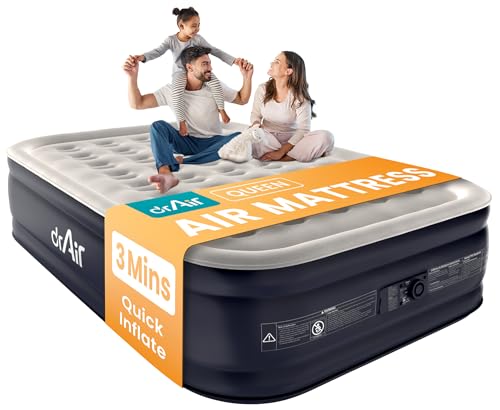
Double-High Air Mattresses
These mattresses are significantly thicker than standard models, often standing 18 to 24 inches tall. They offer the closest experience to a traditional bed and are ideal for car camping, glamping, or hosting guests at home.
- Easiest to get in and out of
- Provides excellent insulation from cold ground
- Often includes a built-in pump for rapid inflation
- Best for car camping and base camp setups
Standard Height Air Mattresses
These are the classic inflatable beds, typically 8 to 12 inches thick. They strike a balance between portability and comfort, making them a versatile choice for a wide range of campers.
- Lighter and more compact than double-high models
- Easier to store and transport
- Suitable for tent camping and occasional guest use
- Available in a wide range of sizes
Ultralight Backpacking Air Mattresses
When every ounce counts, these minimalist mattresses are the answer. They prioritize low weight and small packed size over plush thickness, often using innovative materials and baffle designs.
- Weighs as little as one pound
- Packs down to the size of a water bottle
- Often uses mummy-shaped design to save weight
- Requires a separate pump sack or manual inflation
Air Mattresses with Built-in Pumps
Convenience is king with these models. A built-in electric or manual pump eliminates the need to carry a separate inflation device, making setup and takedown significantly faster.
- Electric pumps inflate in minutes
- Some models deflate automatically
- Ideal for car camping and family trips
- Requires access to a power source (or 12V car outlet)
Key Features to Evaluate Before Buying
When comparing models, pay close attention to these critical features. They directly impact your comfort, the lifespan of the mattress, and how easy it is to use in the field.
Material and Durability
The best air mattresses use puncture-resistant materials like heavy-duty PVC or TPU (thermoplastic polyurethane). TPU is generally lighter, more eco-friendly, and more resistant to abrasion than standard PVC.
Inflation and Deflation System
Consider how you will inflate the mattress. Built-in electric pumps are convenient but add weight and require power. Manual pumps are lightweight but require effort. Some ultralight models use a pump sack that doubles as a stuff sack.
Size and Shape
Air mattresses come in standard bed sizes (twin, full, queen, king) as well as mummy shapes for backpacking. Ensure the dimensions fit your tent's footprint and your sleeping style. If you sleep with a partner, look for a model that minimizes motion transfer, or consider a double sleeping bag that converts to two singles for added versatility.
Valve Quality and Air Retention
A high-quality valve is crucial for preventing slow leaks. Look for models with dual-lock valves or Boston valves that create an airtight seal. Read reviews to see if a model has a reputation for holding air throughout the night.
Weight and Packed Size
For backpackers, weight and packed size are paramount. For car campers, these factors are less critical, and you can prioritize comfort and features instead.
Warranty and Customer Support
A strong warranty indicates a manufacturer's confidence in their product. Look for brands that offer multi-year warranties and responsive customer service, as leaks and seam failures can occur over time.
Air Mattress vs. Sleeping Pad vs. Cot
Understanding how an air mattress compares to other camping sleep systems will help you determine if it is the right choice for your needs.
An air mattress offers superior comfort and thickness compared to a standard sleeping pad, making it a favorite among car campers and those who prioritize a good night's sleep. However, it is generally heavier and bulkier. For backpacking, a lightweight sleeping pad is often preferred. If you are looking for the ultimate in camp comfort and have the space to transport it, a camping cot paired with a sleeping pad can be an excellent alternative, offering elevation and firm support. For those who want a streamlined setup, an all-in-one sleeping bag and mattress combines the two into a single, convenient package.
How to Choose the Right Size for Your Tent
Before you buy, measure your tent's interior dimensions. A queen-size air mattress can consume most of the floor space in a small tent, leaving little room for gear. Here is a general guideline:
- Solo Campers: A twin or single air mattress is usually sufficient. It provides ample space while leaving room for a backpack and other essentials.
- Couples: A full or queen-size mattress offers comfortable shared space. Look for models with independent air chambers to reduce motion transfer.
- Families: Consider multiple twin mattresses or a king-size model, depending on the tent size. For larger groups, you may need to choose a tent size that accommodates your entire sleeping setup.
For those who camp in colder climates, pairing your air mattress with a memory foam mattress topper with cooling gel can add an extra layer of comfort and insulation. If you suffer from back pain, a memory foam mattress topper for bad back can make a significant difference in your sleep quality.
Maintenance Tips for Long-Lasting Performance
Proper care will extend the life of your air mattress and ensure it remains a reliable part of your camping gear for years to come.
Cleaning and Storage
After each trip, wipe down the mattress with a damp cloth and mild soap. Allow it to air dry completely before storing it loosely folded in a cool, dry place. Avoid storing it in extreme temperatures.
Protecting Against Punctures
Always place a ground tarp or footprint beneath your tent to protect the mattress from sharp objects. Keep pets' claws trimmed and avoid placing the mattress on rough surfaces.
Dealing with Leaks
If your mattress develops a leak, most come with a repair patch kit. Locate the leak by inflating the mattress and listening for escaping air, or by submerging it in water and looking for bubbles.
Frequently Asked Questions
The lifespan of an air mattress depends on the quality of materials and how well it is cared for. Entry-level models may last a few seasons, while premium models from reputable brands can last many years with proper maintenance. Storing it correctly and using a protective layer beneath it are key to longevity.
Air mattresses can be used in cold weather, but they offer little insulation on their own. The air inside the mattress can become cold, drawing heat away from your body. To stay warm, place an insulating layer, such as a foam pad or a memory foam mattress topper, between you and the mattress. Also, consider a winter sleeping bag rated for low temperatures.
You can use a manual foot pump, a hand pump, or a battery-powered portable pump. For ultralight backpacking mattresses, a pump sack is a popular choice as it is lightweight and doubles as a stuff sack. Some campers also use a small electric pump that plugs into a car's 12V outlet.
Yes, but the level of comfort depends on the mattress's design. Side sleepers benefit from a thicker mattress with a plush top layer to prevent bottoming out. A mattress topper for side sleepers with hip pain can provide additional pressure relief. Look for models with a higher weight capacity and a stable, non-slip surface.
Many tents have a slick floor, allowing the mattress to slide. To prevent this, place a non-slip rug pad or a thin foam mat underneath the mattress. Some air mattresses also feature a textured or rubberized bottom to improve grip.
Ready to Upgrade Your Camping Sleep System?
Now that you understand the key features and options, explore our curated selection of top-rated air mattresses to find the perfect match for your next adventure.
View Recommended Air Mattresses