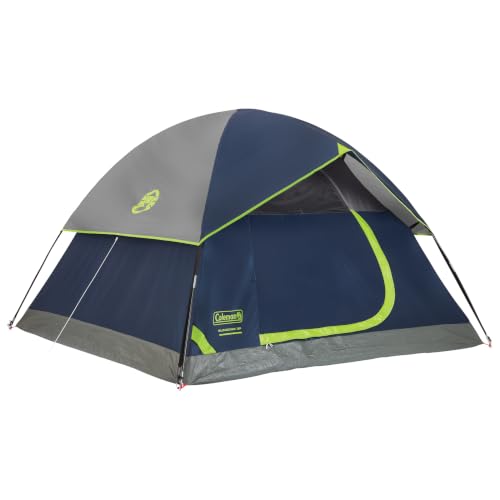
Tent Camper: The Complete Guide to Tent Camping Gear & Adventures
Everything you need to know about choosing, using, and mastering tent campers for unforgettable outdoor experiences.
EXPLORE TENT GEARWhat is a Tent Camper? A tent camper is any individual who uses a tent as their primary shelter during camping trips. Unlike RV campers or glampers, tent campers rely on lightweight, portable shelters that can be set up almost anywhere. This guide will help you understand the different types of tent campers available, how to choose the right one for your needs, and essential tips for a successful tent camping experience.
Why Choose Tent Camping?
🌲 Closer to Nature
Tent camping immerses you in the natural environment. You'll hear the sounds of the forest, feel the fresh air, and experience the outdoors in a way that RVs simply cannot match. For those who want to truly connect with nature, tent camping is the ultimate choice.
💰 Budget-Friendly Adventure
Tent camping remains one of the most affordable ways to travel and explore. Entry-level tent camping setups are accessible to almost everyone, while premium options offer luxury comparable to glamping at a fraction of the cost.
📍 Access Remote Locations
Tent campers can reach places that RVs and trailers cannot. Whether you're backpacking into the wilderness or setting up camp at a remote lakeside, a tent gives you the freedom to camp almost anywhere.
🎒 Lightweight & Portable
Modern tent campers are incredibly lightweight and packable. From ultralight backpacking tents to family-sized cabin tents, there's a portable option for every type of adventure.
Types of Tent Campers
Understanding the different types of tent campers will help you choose the right gear for your specific needs. Here are the most common categories:
Backpacking Tent Camper
Designed for those who carry their shelter on their back. These tents prioritize low weight and compact packed size.
Best for: Light backpacking, thru-hiking, alpine adventures
Car Camping Tent Camper
For those who drive to their campsite and want more comfort and space. These tents can be larger and heavier since weight isn't a concern.
Best for: Car camping, family trips, weekend getaways
Pop-Up Tent Camper
These are trailer-mounted tent campers that pop up from a compact trailer. They offer a middle ground between tent camping and RV camping.
Best for: RV camping enthusiasts, families wanting comfort
Truck Tent Camper
These tents are designed to fit in the bed of a pickup truck, providing elevated sleeping and quick setup.
Best for: Truck camping, overlanding, tailgate adventures
Family Cabin Tent Camper
Large, cabin-style tents with room dividers and standing height. Perfect for families who want tent camping with home-like comfort.
Best for: Family camping, group trips, extended stays
Ultralight Solo Tent Camper
Minimalist shelters for solo adventurers who count every ounce. These tents are incredibly light and pack down to almost nothing.
Best for: Solo camping, ultralight backpacking, fast packing
How to Choose the Right Tent for Your Needs
Selecting the perfect tent camper involves several key considerations. Use this guide to make an informed decision:
Key Factors to Consider
- Capacity: Choose a tent that fits your group size plus gear. A 2-person tent is tight for two adults with gear; consider sizing up. Learn more in our tent size guide.
- Season Rating: 3-season tents work for spring through fall. For winter camping, you'll need a 4-season winter tent.
- Weight: Critical for backpacking. Aim for under 3 lbs per person for ultralight setups.
- Packed Size: Consider how small the tent packs down, especially for backpacking.
- Setup Complexity: Some tents are easier to set up than others. Check out the easiest tents to set up.
- Weather Resistance: Look for waterproof coatings, taped seams, and good ventilation. For rainy conditions, consider waterproof tents.
- Durability: Check materials—nylon and polyester are common. Learn about nylon vs polyester.
- Ventilation: Proper airflow prevents condensation. Mesh panels and vents are essential.
- Doors: Two doors are convenient for couples; one door is fine for solo campers.
- Vestibules: Extra space for gear storage outside the sleeping area.
- Freestanding vs. Stake: Freestanding tents are easier to set up on hard ground.
- Warranty & Brand Reputation: Premium brands often offer better warranties.
Setting Up Your Tent Camper: Tips for Success
Proper setup is crucial for a comfortable and safe tent camping experience. Here are essential tips for different conditions:
🌧️ Setting Up in Rain
Setting up a tent in the rain requires preparation. Use a footprint or ground tarp, set up the fly first if possible, and keep the interior dry. Learn more in our guide on setting up a tent in the rain.
❄️ Setting Up in Snow
Winter tent camping requires special techniques. Use snow stakes, pack down the snow, and consider a hot tent with a stove jack for warmth. Read our guide on setting up a tent in snow.
🏖️ Setting Up on Beach
Beach camping presents unique challenges like sand and wind. Use sand stakes, orient the tent for wind protection, and consider a beach shelter. See our tips for setting up a tent on the beach.
🪵 Setting Up on Platforms
Some campgrounds have wooden platforms. Use straps or ropes to secure your tent, and ensure your tent fits the platform size. Learn about setting up a tent on a platform.
Essential Gear for Tent Campers
Beyond the tent itself, every tent camper needs a core set of gear for a safe and comfortable trip. Here's what you need:
Complete Tent Camping Gear Checklist
- Sleeping Bag: Choose based on temperature rating. For winter, see our winter sleeping bags guide.
- Sleeping Pad: Insulates you from the ground. R-value matters for cold weather.
- Camp Pillow: For a good night's sleep.
- Camp Stove: For cooking meals. Check our camping stoves recommendations.
- Cookware: Pots, pans, utensils, and a camping kettle.
- Cooler: Keep food fresh with a quality camping cooler.
- Lantern or Headlamp: For lighting. See our camping lantern and headlamp picks.
- First Aid Kit: Essential for safety. Learn about common camping injuries and first aid for camping.
- Navigation: GPS device or offline maps app.
- Communication: Two-way radios or satellite communicator.
- Power: Power bank or solar charger.
- Camp Chair: Comfort around the fire. See our camping chair guide.
- Camp Table: For cooking and eating.
- Fire Starting: Matches, lighter, and fire starters.
- Water Filtration: For backcountry camping. Check water filter technology.
- Clothing: Layered clothing for changing conditions. See layering clothing system.
- Footwear: Sturdy hiking boots or camping shoes.
- Rain Gear: Waterproof jacket and pants.
- Toiletries: Biodegradable soap, toothbrush, etc.
- Toilet Solutions: For primitive camping, a camping toilet may be needed.
Safety Tips for Tent Campers
Safety should always be your top priority when tent camping. Follow these guidelines to stay safe:
🐻 Wildlife Safety
Store food properly to avoid attracting animals. Use bear canisters or hang food bags. Learn about food storage rules and bear safety.
🔥 Campfire Safety
Never leave a fire unattended. Follow campfire safety rules and know how to extinguish a campfire properly.
🌩️ Weather Awareness
Check forecasts before your trip. Know weather alert systems and have a plan for severe weather.
🆘 Emergency Preparedness
Carry a first aid kit and know emergency SOS signals. Learn what to do if lost.
Frequently Asked Questions About Tent Campers
For beginners, we recommend a 3-season dome tent from a reputable brand. Look for easy setup, good ventilation, and a size that fits your group. A 4-person tent is a good starting point for couples or small families. Check out our guide on first time camping tips for more advice.
Consider the number of people and gear. A 2-person tent fits two adults snugly without gear. For comfort, size up—get a 3-person tent for two people. Read our full tent size guide.
Yes, but you need a 4-season tent designed for winter conditions. These tents handle snow loads and high winds better. You'll also need a winter sleeping bag and proper insulation. See our winter camping guide.
With proper care, a quality tent can last 5-10 years or more. UV exposure, moisture, and frequent use affect longevity. Learn more in our article on how long tents last.
Premium tents often offer better materials, construction, and warranties. For frequent campers or harsh conditions, the investment pays off. For occasional use, mid-range tents are often sufficient. Read our analysis on are expensive tents worth it.
Both have advantages. Tents offer more space and work in more environments. Hammocks are lighter and comfortable for solo campers. Read our comparison: tent vs hammock.
Use a sleeping pad with a high R-value, a properly rated sleeping bag, and wear layered clothing. For extreme cold, consider a hot tent with a stove. See our tips on keeping a tent warm.
Ready to Start Your Tent Camping Adventure?
Now that you understand tent campers and what you need, it's time to gear up and hit the trails. Explore our recommended products below or dive deeper into our camping guides.
VIEW RECOMMENDED GEAR