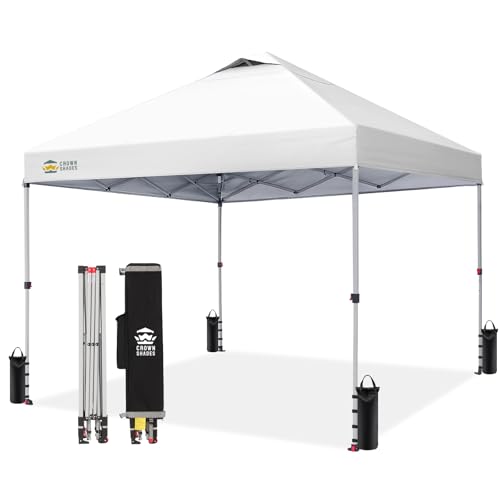
The Complete 10x10 Tent Guide: Find Your Perfect Shelter
Whether you're planning a backyard party, a campsite basecamp, or a vendor booth, a 10x10 tent offers unmatched versatility. This guide breaks down every style, feature, and use case so you can choose with confidence.
Explore Tent TypesWhy a 10x10 Tent? This size hits the sweet spot between spaciousness and portability. It provides 100 square feet of coverage—enough for a family seating area, a market stall, or a comfortable camping setup—while remaining manageable for one or two people to transport and set up. Below, we cover canopy tents, pop-up styles, cabin tents, and specialized options so you can match the right tent to your specific needs.
Types of 10x10 Tents: Canopy, Pop-Up, and Cabin
The term "10x10 tent" covers a wide range of designs, each engineered for different priorities. Understanding these categories is the first step toward a smart purchase.
Canopy Tents (Instant Shelters)
Canopy tents are the most common style of 10x10 tent. They feature a folding frame, a single-piece top, and often removable sidewalls. They excel as shade pop-up canopies for events, tailgates, and markets. Setup takes minutes, and many models come with wheeled bags for easy transport. Look for powder-coated steel or aluminum frames for durability.
Canopy Tent Options →Pop-Up Camping Tents
A 10x10 pop-up tent is a pre-assembled camping shelter that springs into shape when you remove it from the bag. These are ideal for families who want a quick set-up tent without the hassle of poles. Many pop-up models sleep 6 to 10 people. They are generally heavier and bulkier than backpacking tents, but for car camping, they are unbeatable in convenience.
10-Person Instant Tents →Cabin Tents with Straight Walls
A 10x10 cabin tent uses near-vertical walls to maximize interior volume. Unlike dome tents, you can stand up and move around easily. Many cabin tents include room dividers, screen rooms, and even built-in LED lighting. They are excellent for family camping and extended basecamp stays. The trade-off is slightly more complex setup and heavier packed weight.
Cabin Tent Guide →Key Features to Compare Before You Buy
Not all 10x10 tents are created equal. Use the comparison table below to weigh the features that matter most for your intended use.
| Feature | Canopy Tent | Pop-Up Camping Tent | Cabin Tent |
|---|---|---|---|
| Primary Use | Events, shade, vendor booths | Car camping, family trips | Extended camping, basecamp |
| Setup Time | 2–5 minutes | 1–3 minutes (springs open) | 10–20 minutes (poles) |
| Standing Height | Yes (center peak 8–10 ft) | Usually center peak only | Yes (near-vertical walls) |
| Weather Resistance | Moderate (not for heavy rain) | Good with rainfly | Excellent with full rainfly |
| Portability | Good (wheeled bag common) | Moderate (bulky) | Moderate to heavy |
| Best For | Day use, markets, parties | Weekend camping, kids | Long trips, families, groups |
10x10 Tents for Camping: What to Look For
If your primary goal is camping, you'll want a tent that balances interior comfort with weather protection. Here are the features that separate a fair-weather shelter from a true four-season basecamp.
- Bathtub Floor: A seamless, raised floor edge prevents ground moisture from seeping in. This is essential for camping in the rain.
- Full-Coverage Rainfly: Look for a rainfly that extends over the entire tent, not just the top. This is critical for tents you can stand up in during storms.
- Ventilation: Mesh panels and roof vents reduce condensation. A tent with good airflow is far more comfortable in humid conditions.
- Room Dividers: For families, a divider creates two separate sleeping areas. This is a hallmark of a good 10-person camping tent.
- Electrical Port: A small flap for running a power cord allows you to use lights or charge devices inside the tent.
Pro Tip: Always check the hydrostatic head rating of the tent fabric. A rating of 1500mm or higher is suitable for moderate rain. For extended wet-weather camping, aim for 3000mm or more. This single specification matters more than most marketing claims.
10x10 Tents for Events, Parties, and Backyard Use
Canopy tents shine in non-camping scenarios. A 10x10 canopy tent with sides can transform a driveway into a party space, a parking lot into a vendor booth, or a backyard into a shaded retreat.
Vendor and Market Booths
For craft fairs and farmers markets, a custom pop-up canopy tent with your logo is a powerful branding tool. Look for a model with a full sidewall kit and a sturdy frame that can handle occasional wind gusts. Weight bags or stakes are essential.
Backyard Shade and Parties
A 10x20 pop-up canopy tent can be paired with a 10x10 unit to create a larger covered area. For a single 10x10, a gazebo pop-up tent with mesh walls offers insect protection for evening gatherings.
Beach and Picnic Shade
For beach days, a lightweight tent for beach shade is ideal. Many 10x10 canopies are too heavy for soft sand, so look for sand anchors or a dedicated beach canopy with sandbags. A pop-up beach tent is a lighter alternative.
Setup, Care, and Maintenance Tips
A 10x10 tent is an investment. Proper setup and care will extend its life and ensure it performs when you need it most.
- Always Stake It Down: Even on a calm day, a sudden gust can turn a canopy into a kite. Use all stake points and add weight bags at each leg.
- Never Store Wet: If your tent gets wet, set it up to dry completely before packing. Storing a damp tent leads to mildew and fabric degradation.
- Clean the Fabric Gently: Use a mild soap and water solution. Avoid harsh chemicals that can strip waterproof coatings. For more, see our guide to tent longevity.
- Practice Setup at Home: Before your trip, set up your tent in the backyard. This is especially important for easiest tent to set up and take down models you're unfamiliar with.
- Check Local Regulations: Some campgrounds and venues have restrictions on tent sizes or stakes. Review campground vs wild camping rules before you go.
Frequently Asked Questions About 10x10 Tents
A 10x10 canopy is an open-sided shelter designed for shade and event use. It typically has a peak roof and no floor. A 10x10 camping tent is an enclosed shelter with walls, a floor, and often a rainfly. Camping tents are designed for overnight sleeping and weather protection, while canopies are for daytime shade and vendor use.
A 10x10 tent provides 100 square feet of floor space. For comfortable sleeping, plan on about 30 square feet per person. This means a 10x10 tent can comfortably sleep 3 adults with gear, or up to 6 people in sleeping bags with minimal gear. If you want a dedicated sleeping area for a family of four, a 10-person camping tent with dividers is a better choice.
Most 10x10 pop-up tents have a water-resistant coating, but "waterproof" depends on the model. Canopy tents are generally not designed for heavy rain—they are for shade. Camping pop-up tents usually include a rainfly and a bathtub floor, making them suitable for moderate rain. Always check the hydrostatic head rating and seam sealing before relying on any tent in wet conditions. For more, see our camping in the rain guide.
You can use a canopy tent as a shade structure over a picnic table or cooking area, but it is not a substitute for a camping tent. Canopies have no floor, no insect protection, and limited weather resistance. For a comfortable overnight experience, pair a canopy with a sleeping tent. Some campers use a screen tent pop-up as a bug-free dining area alongside a canopy.
A 10x10 tent is ideal for one or two people, a small vendor booth, or a compact backyard shade solution. A 10x20 tent doubles the coverage and is better for larger gatherings, double booths, or a combined seating and cooking area. For camping, a 10x10 tent is easier to transport and set up. If you need more space, consider a 10x20 pop-up canopy tent.
For windy conditions, prioritize a tent with a sturdy frame (powder-coated steel or aircraft-grade aluminum), reinforced corners, and multiple guy-line attachment points. Always use all stakes and add weight bags at each leg. Avoid canopies with plastic joints, which can crack under stress. For camping tents, a low-profile dome design handles wind better than a tall cabin tent. See our camping weather alerts guide for more safety tips.
Ready to Find Your Perfect 10x10 Tent?
We've curated a selection of top-rated 10x10 tents for camping, events, and backyard use. Compare features and find the right shelter for your next adventure.
View Recommended 10x10 Tents