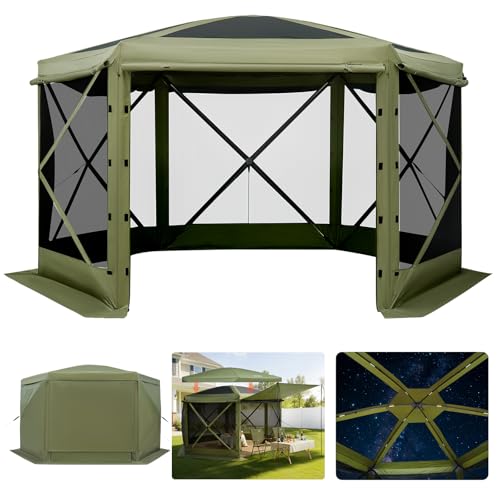
Screen Tent Pop Up: The Ultimate Guide to Instant Bug-Free Shelters
Everything you need to know about pop up screen tents — from choosing the right size and features to setup tips, maintenance, and top recommendations for every camping style.
Why a Screen Tent Pop Up Belongs in Your Camping Arsenal
Imagine setting up camp after a long hike. The sun is setting, the air is cool, and you're ready to relax — but the mosquitoes have other plans. A screen tent pop up solves this problem in seconds. Unlike traditional camping tents that require threading poles and staking guy lines, a pop up screen tent deploys instantly, creating a spacious, insect-free sanctuary where you can eat, play cards, or simply enjoy the view without being eaten alive.
These shelters go by many names: instant screen tents, pop up screen houses, or portable screen canopies. Regardless of terminology, they share a common design philosophy — rapid deployment, freestanding stability, and maximum ventilation. For families, car campers, and backyard entertainers, a screen tent pop up is often the difference between a miserable evening and a memorable one.
In this comprehensive guide, we'll walk you through everything you need to know. We'll explore the benefits, compare materials and mechanisms, discuss sizing for different group sizes, and provide a maintenance routine that extends the life of your shelter. By the end, you'll have the confidence to choose the perfect pop up screen tent for your needs — and the knowledge to use it effectively for years to come.
Key Benefits of Pop Up Screen Tents
Instant Setup
Most pop up screen tents deploy in under 60 seconds. The pre-assembled pole structure and hub system mean no confusing instructions or lost parts. Perfect for spontaneous trips and restless kids.
Insect Protection
Fine mesh walls keep mosquitoes, flies, and no-see-ums out while allowing gentle breezes in. Enjoy your meals and evening conversations without constantly swatting.
Versatile Shelter
Use it as a dining hall, game room, reading nook, or even an overflow sleeping area in mild weather. Many models include rainflies for light precipitation protection.
Portable & Compact
When packed, most pop up screen tents fit into a carry bag roughly the size of a golf bag or large duffel. They store easily in car trunks, closets, or RV storage bays.
How to Choose the Perfect Screen Tent Pop Up
Not all pop up screen tents are created equal. The right choice depends on your intended use, group size, climate, and how much convenience you're willing to trade for durability. Below, we break down the critical factors to consider.
Size and CapacityScreen tents are typically measured in square footage and rated by the number of people they can comfortably seat. A 10x10 model works well for a small family or a couple with gear, while larger 12x12 or 10x20 options suit group gatherings. If you need a shelter for a large group, look for a 10 x 20 pop up tent with sides that can be configured as a single large room or divided. For smaller groups, a 10 x 10 canopy tent with sides offers a balanced footprint. Always check the peak height — models that allow you to stand up in are far more comfortable for extended use.
Frame Mechanism and DurabilityThe pop up mechanism is the heart of the shelter. Entry-level models often use fiberglass or basic steel poles with plastic hubs. Mid-range options step up to thicker steel or aluminum poles with reinforced hubs. Premium and luxury screen tents may feature pre-assembled aluminum frames with patented hub systems that are both lighter and stronger. If you plan to use your shelter frequently, investing in a higher-tier frame pays off in longevity and ease of setup.
Fabric and Mesh QualityThe walls are typically made from polyester or nylon mesh. Look for fine-gauge mesh (often measured in denier or holes per inch) to keep out tiny insects. The roof material matters too — a coated polyester or nylon roof with taped seams offers better water resistance. Some high-end models include a full rainfly that covers the entire shelter, effectively turning it into a pop up screen tent with rain flaps. For camping in rainy regions, this feature is invaluable.
Floor OptionsMany screen tents are floorless, which is ideal for use over picnic tables or on grassy campsites. However, a floor can be a blessing in wet or sandy conditions. Some models offer a removable floor or a bathtub-style floor that can be clipped in. If you plan to sleep in your screen tent, a full floor is highly recommended.
Weather ResistanceWhile screen tents are not designed for extreme weather, many are rated for light rain and wind. Look for features like guy-line attachment points, sandbags or stake loops, and a rainfly that extends over the mesh. If you camp in exposed areas, consider a model with a lower profile and reinforced corners. For cold-weather adventures, you might pair your screen tent with a heater for a tent (always following safety guidelines).
Portability and Packed SizePop up screen tents are generally bulkier than backpacking tents, but some are surprisingly compact. If you have limited trunk space, look for models that pack down into a slim carry bag. The smallest pop up tent options are typically solo or two-person shelters, but screen tents tend to be larger due to their standing height and spacious interiors. For car campers, the packed size is usually a secondary concern.
Quality Tiers: A Universal Comparison
To help you navigate the market without focusing on fluctuating prices, we use universal quality descriptors. These tiers reflect the relative position of products in the market based on materials, construction, and features — not absolute numbers.
ENTRY-LEVEL
Budget-Friendly
Basic fiberglass or steel frames, standard mesh, minimal weather protection. Ideal for occasional backyard use or fair-weather camping.
MID-RANGE
Mid-Tier
Thicker poles, reinforced hubs, better mesh quality, and often a basic rainfly. A solid choice for regular campers who want reliability without top-tier investment.
PREMIUM
High-End
Aluminum frames, patented hub systems, fine-gauge mesh, full rainfly, and thoughtful details like gear lofts and electrical ports. Built for frequent use and varied conditions.
LUXURY
Top-Tier
Expedition-grade materials, near-instant setup, exceptional weather resistance, and premium craftsmanship. Designed for those who prioritize performance and longevity above all.
Note: As you move up tiers, you'll typically notice smoother setup mechanisms, lighter packed weights, and better resistance to UV degradation and water infiltration. However, an entry-level screen tent from a reputable brand can still serve you well for years if cared for properly.
Pros and Cons of Pop Up Screen Tents
Advantages
Extremely fast setup — often under a minute
Freestanding design works on various surfaces
Excellent ventilation and bug protection
Spacious interiors with standing height
Versatile for camping, picnics, and events
No complex pole assembly or threading
Easy to relocate once deployed
Limitations
Bulkier packed size than backpacking tents
Not designed for extreme weather or heavy snow
Floorless models can allow ground moisture in
Mesh walls offer limited privacy
Lower-tier models may have fragile hubs
Folding back down can be tricky for beginners
Not ideal for cold-weather camping without modifications
Setup and Maintenance Tips for Longevity
A screen tent pop up is an investment in comfort. With proper care, a quality model can last many seasons. Here's how to get the most out of yours:
Choose a level, debris-free site. Before popping up your shelter, clear the area of rocks, twigs, and sharp objects that could damage the floor or mesh. If you're on a hard surface like concrete, consider a model specifically designed for that, such as a tent that can be set up on concrete.
Deploy with care. Hold the shelter away from your face when releasing the hub mechanism. Allow the poles to snap into place naturally — forcing them can bend or break the frame.
Stake it down. Even on a calm day, a sudden gust can send your screen tent tumbling. Use all provided stake loops and guy lines. In sandy conditions, sandbags or buried anchors work better than standard stakes.
Apply seam sealant. If your model isn't fully taped, apply a seam sealer to the roof seams to enhance water resistance. This is especially important if you plan to use the shelter in rainy conditions or as a pop up screen tent with rain flaps.
Clean and dry before storage. After each trip, wipe down the mesh and roof with a damp cloth. Allow the shelter to dry completely in the sun before folding it. Storing a damp screen tent leads to mildew and weakened fabric.
Lubricate the hubs. A small amount of silicone spray on the hub mechanisms can keep them operating smoothly. Avoid oil-based lubricants, which attract dirt.
Practice folding. The first few times you fold a pop up screen tent, it can feel like a wrestling match. Watch the manufacturer's video and practice in your backyard. Once you master the technique, it becomes second nature.
Ready to Upgrade Your Camping Comfort?
A screen tent pop up transforms your outdoor experience. No more swatting, no more retreating to a stuffy tent at sunset. Browse our curated selection of top-rated pop up screen tents and find the perfect shelter for your next adventure.
A screen tent pop up is a freestanding, instant-setup shelter featuring mesh walls for ventilation and bug protection. Unlike traditional tents, these pop up shelters are designed for quick deployment, often using pre-assembled poles or a hub system, making them ideal for camping, picnics, and backyard events.
Are pop up screen tents waterproof?
Most screen tent pop up models are designed as three-season shelters and offer water-resistant materials, but not all are fully waterproof. Many include a rainfly or taped seams for light rain protection. However, for heavy downpours, you should look for a model explicitly labeled as waterproof or consider a camping tent with stove that includes a screen room. Always check the hydrostatic head rating if available, and consider applying a seam sealer for added protection.
Can I use a screen tent pop up for sleeping?
Yes, you can sleep in a screen tent pop up, especially in warm, dry climates. However, they are primarily designed as day-use shelters for dining, lounging, or escaping insects. For overnight sleeping, ensure the model has a full floor and a rainfly, or use it as a secondary living space alongside your primary camping tent. In cooler weather, you'll need a sleeping bag for camping rated for the expected temperatures.
How do I choose the right size screen tent?
Consider how many people will use the shelter and what activities it will host. A small family might be comfortable in a 10x10 model, while larger groups should consider a 10 x 20 pop up tent with sides or a 12 x 12 pop up canopy tent. If you plan to place a picnic table inside, measure the table's dimensions and add at least 2-3 feet of clearance on all sides. Peak height is also crucial — a shelter you can stand up in is far more pleasant for extended use.
Can a screen tent pop up be used on a beach?
Absolutely. Pop up screen tents are excellent for beach days, providing shade and protection from sand flies and other insects. Look for a model with sandbags or specialized sand stakes for anchoring in loose sand. A pop up beach tent that fits in a suitcase is a great option if portability is a priority. Remember to always stake or weigh down your shelter — coastal breezes can pick up unexpectedly.
How do I fold a pop up screen tent back down?
Folding technique varies by model, but the general process involves pushing the hub mechanisms inward while guiding the poles together. Most manufacturers provide a diagram or video. The key is to work slowly and let the frame fold naturally rather than forcing it. Practice at home before your trip. If you're struggling, check if your model has a "fold here" label or color-coded poles. With a bit of practice, you'll be able to pack it away in under a minute.
Recommended Screen Tent Pop Up Shelters
⚠️ AFFILIATE DISCLOSURE: This website contains affiliate links. As an Amazon Associate, we earn from qualifying purchases. If you make a purchase through these links, we may receive a small commission at no additional cost to you.
Read our full affiliate policy.
Lenotos Pop Up Screen House, 10'x10' Outdoor Screen Tent for Camping, Screened Gazebo with Mosquito Netting, Carry Bag
⚠️ Note: The purchase links above are affiliate links. As an Amazon Associate, we earn from qualifying purchases at no additional cost to you.
VEVOR 12×12ft Pop Up Gazebo Screen Tent, 6-Sided Camping Canopy Shelter | 6 Removable Privacy Wind Cloths & Full Mesh Mosquito Netting — Bug-Proof on All Sides with Airflow for Outdoor Camping
⚠️ Note: The purchase links above are affiliate links. As an Amazon Associate, we earn from qualifying purchases at no additional cost to you.
VEVOR Screen House Tent 6 x 6 FT Pop-Up Screen Room Tent for 4-6 Person | For Patio Backyard Garden Camping, Portable Gazebo with Netting, Carry Bag & Ground Stakes, Outdoor Instant Canopy, Beige
⚠️ Note: The purchase links above are affiliate links. As an Amazon Associate, we earn from qualifying purchases at no additional cost to you.
Overmont 10x10FT Pop up Gazebo Screen Tent - Instant with Full Open Door | 6-8 Person Capacity, Screen House Tent with Skylight Wind Cloths, Outdoor Shelter Portable for Camping Backyard Patio Parties
⚠️ Note: The purchase links above are affiliate links. As an Amazon Associate, we earn from qualifying purchases at no additional cost to you.
VEVOR Pop up Gazebo Screen Tent, 10 x 10 ft Large 6-Sided Camping Canopy Tent with Removable Top & Carry Bag, Quick-Set & Bite-Proof, Screen House Sun Shelter for 6-8 Persons Backyard Patio, Green
⚠️ Note: The purchase links above are affiliate links. As an Amazon Associate, we earn from qualifying purchases at no additional cost to you.
Disclaimer
Outdoor activities involve inherent risks. The information provided on CampLifeEssentials is for educational purposes only. We are not responsible for any injuries, losses, or damages resulting from the use of this information. Some content may use AI assistance. Always practice Leave No Trace principles and verify local regulations before camping. If you do not agree, please do not use this website.
Read the full disclaimer.
We use cookies to provide you with a better browsing experience. By continuing to use our site, you consent to our cookie settings.
Learn more