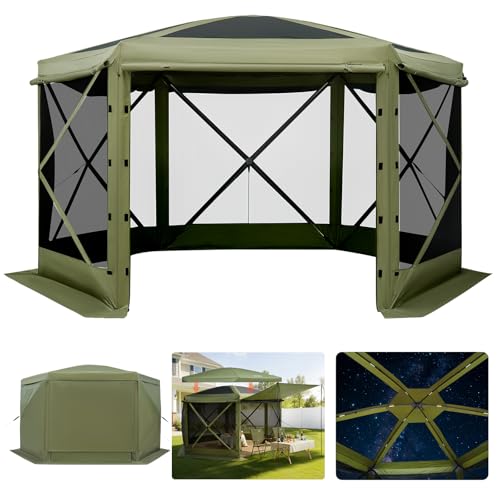
Gazebo Tent Pop Up: Your Complete Guide to Instant Outdoor Shelters
Learn how to choose the perfect pop-up gazebo tent for camping, events, and backyard gatherings. Expert tips on setup, materials, and features that matter.
Explore the GuideWhy a Pop-Up Gazebo Tent? A gazebo tent pop up offers the perfect balance of convenience and protection. Unlike traditional tents that require complex assembly, these instant shelters deploy in minutes, giving you more time to enjoy your outdoor adventure. Whether you need shade at a campsite, a base for your backyard party, or a portable shelter for a sporting event, understanding the nuances of these versatile structures will help you make a smart investment.
What Exactly Is a Gazebo Tent Pop Up?
A gazebo tent pop up—often called a pop-up canopy or instant gazebo—is a freestanding shelter with a folding frame and a fabric top. The defining feature is its "pop-up" mechanism: the frame remains partially assembled, and you simply pull outward on the legs or push up on the central hub to expand it. Most models include a wheeled carry bag, making them genuinely portable. Unlike camping tents that prioritize sleeping quarters, gazebos prioritize open-air shade and ventilation. This makes them ideal for daytime use, picnics, tailgating, and as a supplementary living space at your campsite.
When researching options, you'll encounter many configurations. Some are minimalist canopies with a simple roof, while others include side walls, mesh screens, or even full enclosure kits. If you're exploring broader shelter solutions, you might compare a dedicated shade pop up canopy with a more enclosed design. The right choice depends on whether you need sun protection, bug protection, or a private changing area.
Key Features to Evaluate Before You Buy
Frame Material & Durability
Steel frames are the most common and offer a good balance of strength and weight. Entry-level models often use thinner gauge steel, while mid-range and premium options use thicker, powder-coated steel or even aluminum for rust resistance and lighter carry weight. Aluminum frames are typically found on high-end models designed for frequent transport.
Canopy Fabric & Weather Resistance
The best canopies use 150D or higher denier polyester or Oxford fabric with a PU coating for water resistance and UV protection. Budget-friendly options may have a lower denier and less robust coatings. Look for taped seams and a UPF rating if sun exposure is a primary concern. A gazebo tent pop up with a silver-coated underside can significantly reduce heat buildup.
Setup Mechanism
Most pop-up gazebos use a hub-and-spoke or scissor-action frame. The ease of setup varies: some require two people to pull the legs apart, while others can be deployed by one person. The easiest models feature a central pull ring or a push-button release at each corner. If ease of use is paramount, look for descriptors like "one-push" or "instant."
Size & Coverage
Common sizes range from 6x6 feet for compact use to 10x10 feet (the most popular) and up to 12x12 or larger for group gatherings. A 10x10 gazebo typically provides enough shade for a picnic table and several chairs. Consider the height clearance as well; some models offer adjustable legs to accommodate uneven ground.
Side Walls & Accessories
Many gazebos come with removable side walls. Solid walls provide wind and privacy protection, while mesh walls offer ventilation and bug protection. Some models include a wheeled bag, stakes, and guy lines. If you plan to use your gazebo for camping, a model with a screen tent pop up feature can be invaluable for keeping insects out while allowing airflow.
Portability & Weight
Weight is a critical factor if you'll be moving the gazebo frequently. Budget-friendly steel models can weigh 30-40 pounds, while premium aluminum models might be in the 20-25 pound range. The carry bag quality matters too; a bag with wheels and reinforced handles makes a significant difference for transport from car to campsite.
Pop-Up Gazebo vs. Traditional Camping Tent
Understanding the distinction between a gazebo and a standard tent helps clarify when each is appropriate. The table below compares them across key criteria.
| Feature | Pop-Up Gazebo Tent | Traditional Camping Tent |
|---|---|---|
| Primary Purpose | Shade, social space, event shelter | Sleeping quarters, weather protection |
| Setup Time | Usually under 5 minutes | 10-30 minutes depending on model |
| Floor | Typically no floor (open bottom) | Integrated floor for ground insulation |
| Ventilation | Excellent; often open-sided or mesh | Good; depends on mesh panels and vents |
| Weather Protection | Good for sun and light rain; side walls help | Designed for full weather protection |
| Best Use Case | Day trips, picnics, campsite common area, events | Overnight camping, backpacking, base camp |
| Portability | Carrying bag included; weight varies by tier | Compressible; often lighter for backpacking |
How to Choose the Right Pop-Up Gazebo for Your Needs
Selecting the ideal gazebo tent pop up involves matching features to your specific activities. Consider these scenarios:
For Camping and Outdoor Adventures
If your gazebo will serve as a campsite hub—a place to cook, eat, and escape the sun or rain—prioritize a model with at least 10x10 feet of coverage. Look for one with a water-resistant canopy and the option to add side walls. A model with a 10 x 10 canopy footprint is a versatile choice. For extended trips, consider a gazebo that pairs well with your camping tent with stove setup, creating a covered cooking area separate from your sleeping quarters.
For Backyard Events and Parties
Ease of setup and aesthetic appeal matter most here. A clean, well-stretched canopy in a neutral color works for most gatherings. If you need a more permanent-looking solution for seasonal use, a canvas tent might offer a different aesthetic, but for quick deployment, pop-up gazebos are unmatched. Ensure the model you choose includes stakes and guy lines to secure it against sudden gusts.
For Beach and Tailgating
Portability and UV protection are paramount. A lighter aluminum frame is worth the investment if you'll be carrying it across sand or a parking lot. Look for a canopy with a high UPF rating and a tent for beach shade design that allows wind to pass through without lifting the entire structure. Sand stakes or sandbags are essential accessories for beach use.
For Commercial or Frequent Use
If you're using the gazebo for markets, festivals, or rental purposes, durability becomes the top priority. High-end models with thicker frames, reinforced joints, and heavy-duty fabric will outlast budget-friendly options. Consider a model that allows for custom branding; some manufacturers offer custom pop-up canopy tent with your logo options. For rental fleets, a tent for rent inventory often includes commercial-grade pop-up gazebos built to withstand repeated setup and teardown.
Setup and Maintenance Tips for Longevity
Proper care extends the life of your gazebo and ensures safe use. Follow these guidelines:
- Choose a level, debris-free surface. Remove rocks and sticks that could damage the frame or fabric.
- Always use stakes or weights. Even a gentle breeze can lift an unsecured gazebo. Use sandbags or auger-style stakes for soft ground.
- Deploy with a partner when possible. While many models are designed for one-person setup, two people reduce the risk of bending the frame.
- Do not force the mechanism. If the frame binds, check that all legs are unlocked and the fabric isn't caught in the joints.
- Allow the canopy to dry completely before storing. Moisture trapped in the fabric leads to mildew and degradation.
- Store in a cool, dry place. Avoid leaving the gazebo in a hot car or damp garage for extended periods.
- Inspect hardware regularly. Tighten bolts and check for rust or cracks, especially before a big event.
For those who camp in varied conditions, understanding how to set up a tent in the rain applies to gazebos as well—deploy the canopy first, then add walls. If you're camping in cold weather, a gazebo can serve as a windbreak, but never use a fuel-burning heater inside a fully enclosed gazebo without proper ventilation. For winter camping, a dedicated winter tent is a safer choice for sleeping, but a gazebo can still provide a sheltered gathering space during the day.
Common Mistakes to Avoid
Leaving It Up Overnight Unattended
Wind can pick up suddenly. Unless your gazebo is rated for high winds and properly secured, take it down at night or during storms. A collapsed or tumbling gazebo can damage property and injure bystanders.
Ignoring Weight Limits
Do not hang heavy items from the frame. While some gazebos have hooks for lights, exceeding the recommended weight can bend the frame and compromise structural integrity.
Using the Wrong Stakes
Standard tent stakes are inadequate for hard-packed ground or sand. Invest in the appropriate stake type for your terrain, or use sandbags as an alternative.
Storing Wet
Packing away a damp canopy is the fastest way to ruin it. Mold and mildew not only smell bad but also weaken the fabric. Always dry thoroughly before storage.
Overlooking Local Regulations
Some campgrounds and parks have restrictions on pop-up shelters, especially those with sides. Check campground vs wild camping rules and local fire bans before setting up.
Choosing Size Based on Packed Dimensions Alone
A compact packed size is great, but ensure the deployed size meets your needs. A 6x6 gazebo may pack small but offers limited shade for a family.
Frequently Asked Questions
Can a pop-up gazebo be used for camping?
Yes, but with caveats. Pop-up gazebos are excellent for creating a shaded common area, cooking shelter, or gear storage at a campsite. However, they are not designed for sleeping in most cases, as they typically lack floors and full weather protection. For sleeping, pair your gazebo with a dedicated camping tent. If you need a shelter that can serve both purposes, consider a screen tent pop up which offers bug protection and can sometimes accommodate cots.
How long does a pop-up gazebo last?
Lifespan varies significantly by tier. Entry-level models used occasionally may last a few seasons. Mid-range models with better materials and care can last 5-7 years. Premium or commercial-grade gazebos with aluminum frames and heavy-duty fabric can exceed a decade with proper maintenance. The key factors are frame thickness, fabric denier, UV resistance, and storage practices. You can learn more about general tent longevity in our guide on how long do tents last.
Are expensive pop-up gazebos worth it?
For frequent users, yes. A high-end gazebo offers lighter weight, easier setup, better weather resistance, and greater durability. If you only need a shelter for occasional backyard use, a mid-range model is often sufficient. The decision mirrors the broader question of are expensive tents worth it—it depends on usage frequency and conditions. For commercial use or regular camping trips, investing in a premium tier pays off in reliability and longevity.
Can I leave my pop-up gazebo up in the rain?
Light rain is generally fine if the canopy is properly tensioned and water-resistant. However, heavy or prolonged rain can cause water to pool on the roof, leading to frame stress or fabric damage. If heavy rain is forecast, take the gazebo down or ensure it has a peaked roof design that sheds water effectively. Never leave a gazebo up in high winds.
What size gazebo is best for a family?
For a family of four, a 10x10 gazebo provides comfortable shade for a picnic table and chairs. For larger families or groups, a 12x12 or larger model offers more space. If you plan to add side walls for privacy or wind protection, a larger size prevents the space from feeling cramped. Consider your typical setup: table, chairs, cooler, and perhaps a small grill.
How do I clean and maintain my gazebo?
Clean the fabric with a mild soap solution and a soft brush. Avoid harsh chemicals or abrasive cleaners. Rinse thoroughly and allow to air dry completely before folding. Lubricate the frame joints occasionally with a silicone spray. Check for loose screws or bent struts after each use. Proper maintenance ensures your gazebo remains ready for the next adventure.
Final Verdict: Is a Pop-Up Gazebo Tent Right for You?
A gazebo tent pop up is an incredibly versatile addition to your outdoor gear collection. It shines as a shade provider, a social hub, and a quick-deploy shelter for events and camping. While it doesn't replace a dedicated camping tent for sleeping, it complements it perfectly. By focusing on frame quality, fabric durability, and ease of setup, you can find a model that serves you well for years.
Before you buy, consider your primary use case, the space you need, and the conditions you'll encounter. For those who camp frequently, a gazebo can transform a campsite into a comfortable outdoor living room. For event organizers, it's an essential tool for creating inviting spaces. And for families, it's a simple way to extend outdoor time without worrying about sunburn or sudden showers.
Ready to explore specific models? Browse our curated selection below to find the best gazebo tent pop up for your needs.