Small Pop Up Campers: Your Compact Adventure Guide
Discover why small pop up campers are the ultimate choice for easy towing, quick setup, and unforgettable outdoor adventures. Your complete guide to compact pop up camper models, features, and must-have essentials.
START EXPLORINGWhy Small Pop Up Campers? Small pop up campers offer the perfect balance between tent camping and a full-size RV. They are lightweight, easy to tow with smaller vehicles, and set up in minutes. Whether you're a weekend warrior or a seasoned road-tripper, a compact pop up camper opens up a world of adventure without the hassle of heavy equipment. In this guide, we'll walk you through everything you need to know — from understanding different models and features to essential accessories that make your trips smoother. If you're also considering other camper options, you might want to explore our guide on new pop up campers for a broader view.
What Exactly Are Small Pop Up Campers?
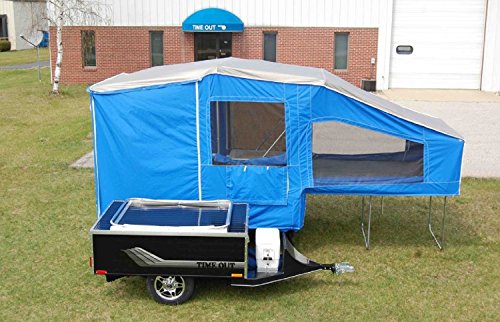
Small pop up campers, also known as folding camping trailers, are towable units that collapse for travel and expand at the campsite. They typically feature a hard roof that raises, fold-out beds on either end, and a compact body that makes them easy to store and tow. Unlike their larger counterparts, small pop up campers are designed to be ultra-portable — often towable by sedans, small SUVs, or even some hatchbacks. This makes them an excellent choice for first-time camper owners or anyone looking to downsize.
These campers often come with basic amenities such as a small stove, a sink, and a dinette that converts into a bed. Despite their compact size, they can sleep anywhere from two to six people, depending on the model. For those who want the convenience of a camper but prefer to keep things simple, small pop up campers are hard to beat. If you're thinking about purchasing, you might also want to check out our guide on buying a pop up camper for helpful tips.
Key Benefits of Choosing a Small Pop Up Camper
🚗 Easy Towing & Maneuverability
One of the biggest advantages of small pop up campers is how easy they are to tow. Their lightweight design means you don't need a heavy-duty truck. Many models can be towed by a standard SUV or even a larger sedan. Their low profile also means less wind resistance, which helps with fuel efficiency. Maneuvering into tight campsites becomes far less stressful.
⚡ Quick Setup & Takedown
Setting up a small pop up camper takes just a few minutes. The roof cranks up, the beds slide out, and you're ready to camp. This is perfect for travelers who want to move frequently or arrive late at night. It also means less time setting up and more time enjoying the outdoors.
💰 Affordable Entry into RVing
Compared to motorhomes or large travel trailers, small pop up campers are a more budget-friendly option. They are also cheaper to insure, maintain, and store. For families or individuals looking to test the camper lifestyle, they represent an accessible entry point. You can also explore pre-owned pop up campers for sale to find great value.
🏕️ Comfortable & Versatile
Despite their compact size, small pop up campers offer surprising comfort. Many come with heating, air conditioning, and even bathrooms. The fold-out beds provide a real mattress, and the dinette offers a place to eat or relax. They are versatile enough for weekend trips or extended road adventures.
What to Look For in a Small Pop Up Camper
When shopping for a small pop up camper, there are several factors to consider. First, think about your towing capacity. Ensure your vehicle can handle the weight and tongue weight of the camper you're considering. Next, consider the layout. Some models have a dinette that converts to a bed, while others have permanent beds. Think about how many people will typically be camping with you.
Another important factor is the amenities. Do you need a refrigerator, a furnace, or a water heater? Some small pop up campers come with these features, while others are more basic. Finally, consider the condition of the camper if buying used. Check for water damage, roof condition, and the integrity of the canvas. For a deeper dive into specific models, you might want to read our article on good pop up tents — though that's a different category, it offers useful insights into quality construction.
Essential Features for Your Small Pop Up Camper
- Sleeping Capacity: Determine how many people you need to sleep. Small pop up campers typically sleep 2 to 6 people. Models with slide-out dinettes can increase capacity.
- Kitchen Amenities: Look for a two-burner stove, a sink, and a small refrigerator. Some models also include a microwave or an outdoor shower.
- Heating and Cooling: If you plan to camp in extreme temperatures, ensure your camper has a furnace and air conditioning. This greatly extends your camping season.
- Storage: Ample storage is key for keeping your camper organized. Look for cabinets, overhead bins, and exterior storage compartments.
- Power System: Most small pop up campers come with a 12-volt system and a deep-cycle battery. Some also have solar prep, which is great for off-grid camping. For portable power options, check out our guide on portable power stations.
- Canvas and Roof Condition: The canvas and roof are critical for keeping you dry and comfortable. Inspect them carefully for tears, mold, or leaks, especially if buying used.
Comparing Small Pop Up Camper Tiers
Small pop up campers come in a range of quality tiers. Understanding these tiers helps you set expectations and choose the right model for your needs. Here's a breakdown using universal quality descriptors.
| Tier | Typical Features | Best For |
|---|---|---|
| Entry-Level | Basic amenities, manual lift system, limited storage, simple canvas. Often lighter and more affordable. | First-time buyers, occasional weekend campers, those with smaller tow vehicles. |
| Mid-Range | Added features like a furnace, water heater, 3-way fridge, better insulation, more storage, and easier lift systems. | Families, frequent campers, those wanting more comfort and convenience. |
| Premium | High-quality materials, power lift, larger beds, premium appliances, off-road packages, and advanced power systems. | Serious adventurers, off-grid campers, those prioritizing durability and luxury. |
| Luxury | Top-of-the-line everything: custom interiors, solar panels, lithium batteries, high-end audio, and ultimate comfort. | Luxury travelers, long-term road trips, those who want a home away from home. |
Entry-level models are perfect for testing the waters. Mid-range campers offer a great balance of comfort and value. Premium and luxury tiers are for those who want the best materials and features, often with off-grid capabilities. If you're considering a pickup camper instead, check out our guide on pop up pickup campers.
Must-Have Accessories for Small Pop Up Campers
To get the most out of your small pop up camper, consider these essential accessories. They enhance comfort, safety, and convenience during your trips.
- Portable Power Station: A reliable power source for charging devices and running small appliances. See our recommendations for portable power stations.
- Portable Heater: For chilly nights, a small portable heater can make a big difference. Check out our guide on portable heaters for camping.
- Water Filtration System: Ensure you have clean drinking water wherever you go. A good water filtration system for camping is invaluable.
- Portable Toilet: For added convenience, especially for families, a portable toilet for adults can be a game-changer.
- Camping Chairs: Comfortable seating is a must. Look for small camping folding chairs that pack easily.
- Cooler: Keep your food and drinks cold with a quality cooler. A portable electric cool box is a great option.
- Awning or Canopy: Extend your living space outdoors. A pop up beach canopy or a dedicated camper awning provides shade and rain protection.
- Mattress Topper: For extra comfort, a mattress topper for hip pain can make the fold-out beds much more comfortable.
Maintenance Tips for Longevity
Proper maintenance ensures your small pop up camper lasts for many seasons. Here are key tips:
- Inspect the Canvas Regularly: Clean and treat the canvas to prevent mold and leaks. Allow it to dry completely before folding.
- Check the Roof and Seals: Look for cracks or gaps in the sealant. Reseal annually to prevent water damage.
- Lubricate the Lift System: Follow the manufacturer's instructions to keep the lift mechanism working smoothly.
- Winterize Properly: Drain water lines and add antifreeze if storing in freezing temperatures.
- Store Covered: Use a breathable cover to protect from UV rays and debris when not in use.
- Check Tires and Bearings: Inspect tires for wear and repack wheel bearings as needed for safe towing.
Safety Considerations When Using Small Pop Up Campers
Safety should always be a priority. Before each trip, check your camper's brakes, lights, and hitch. Ensure the weight is distributed properly. When camping, be mindful of carbon monoxide if using a heater inside — always ensure proper ventilation. Keep a fire extinguisher and a first-aid kit handy. For more safety tips, explore our resources on campfire safety rules and first aid for camping. Also, be aware of local fire bans, especially in dry conditions — check our fire ban guide for details.
Top Destinations for Small Pop Up Camper Adventures
Small pop up campers are welcome at most campgrounds, including national and state parks. Their compact size makes them ideal for scenic drives and remote spots. Consider these destinations: campgrounds in the Poconos, Adirondacks camping, Smoky Mountains camping, and Oregon Coast camping. For more ideas, browse our camping destinations section.
Frequently Asked Questions
Many small pop up campers are designed to be towed by regular cars, as long as the vehicle's towing capacity meets the camper's weight. Always check your vehicle's owner manual for towing limits. Some ultra-light models can be towed by sedans, while others require a small SUV or truck.
Setup typically takes 10 to 20 minutes for a small pop up camper, depending on the model and your experience. The process involves cranking up the roof, pulling out the beds, and securing the canvas. With practice, it can be even faster.
Some small pop up campers are equipped with furnaces and better insulation, making them suitable for cold-weather camping. However, standard models may not be well-insulated. If you plan to camp in winter, look for a model with a heater and consider adding insulation. Check our winter camping guide for more tips.
Small pop up campers generally weigh between 1,000 and 2,500 pounds. The exact weight depends on the model and features. Always check the dry weight and gross vehicle weight rating (GVWR) before towing.
Some small pop up campers come with a cassette toilet or a portable toilet, while others have a dedicated bathroom with a shower. If a bathroom is important to you, look for models that offer this feature. Alternatively, you can use a portable toilet for convenience.
Store your small pop up camper in a dry, covered area if possible. If storing outdoors, use a breathable cover to protect it from the elements. Make sure it's clean and dry before storing to prevent mold and mildew. Also, winterize it if you live in a cold climate.
Ready to Start Your Pop Up Adventure?
Explore our recommended gear and accessories to make your small pop up camper experience unforgettable.
VIEW RECOMMENDED GEARRelated Guides & Resources
Expand your knowledge with these related articles:
- Camper Supplies and Parts — Essential items for maintenance and upgrades.
- RV and Camper Parts — Find the right components for your camper.
- Small Pop Up Campers — This guide itself, a comprehensive resource.
- Pre-Owned Pop Up Campers for Sale — Tips for buying used.
- Pop Up Pickup Camper — If you prefer a truck bed camper.
- Easy Pop Up Tents — For tent campers wanting quick setup.
- Camping Essentials Checklist — Don't forget the basics.
- Necessities for Car Camping — Perfect for pop up camper owners.