Water Filtration System Camping: The Complete Gear Guide
Discover how to choose the best portable water filter for camping. Compare filtration methods, flow rates, and key features to ensure safe drinking water on every outdoor adventure.
SEE TOP PICKSWhy Water Filtration Matters: According to the CDC, untreated water from lakes, rivers, and streams can contain harmful pathogens including Giardia, Cryptosporidium, and bacteria. A reliable water filtration system is not a luxury—it is essential safety equipment for any camping trip. This guide will help you understand your options and choose the right system for your needs.
Why You Need a Water Filtration System for Camping
When you are miles from the nearest town, access to clean drinking water becomes critical. Carrying enough water for a multi-day camping trip is impractical—water weighs approximately 8.34 pounds per gallon. A portable water filtration system allows you to safely drink from natural water sources, dramatically reducing the weight you need to carry and ensuring you stay hydrated.
Modern camping water filters have become incredibly advanced. Whether you are a weekend car camper or a thru-hiker tackling remote wilderness, there is a filtration system designed for your specific needs. Understanding the differences between filter types, pore sizes, and treatment methods will help you make an informed decision that could protect your health on future adventures.
Before diving into specific product recommendations, it is worth reviewing our camping water filters technology guide for a deeper understanding of how these systems work. Additionally, if you are building out your overall camping kit, our camping essentials check list covers all the categories you should consider.
Types of Camping Water Filtration Systems
Not all water filters are created equal. The right choice depends on your camping style, group size, and the quality of water sources you expect to encounter. Here is a breakdown of the primary filtration system types:
Squeeze Filters
Lightweight and compact, squeeze filters attach directly to water bottles or reservoirs. They are ideal for solo hikers and ultralight backpackers who prioritize minimal weight. Flow rate is moderate, and most models require periodic backflushing to maintain performance.
Best for: Solo backpacking, ultralight trips, emergency kits.
Pump Filters
Pump filters offer excellent control and work well for groups. They can filter directly into any container, making them versatile for basecamp setups. Higher-quality models feature ergonomic handles and faster flow rates, reducing fatigue during extended use.
Best for: Group camping, basecamp use, car camping with limited water access.
Gravity Filters
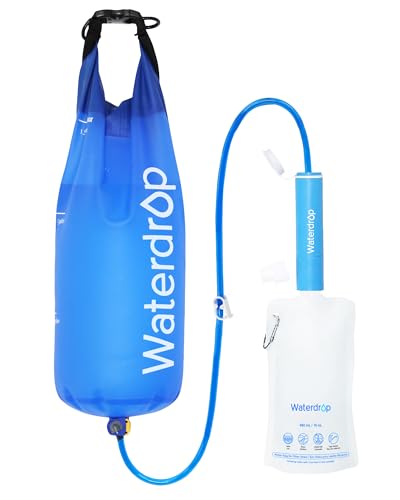
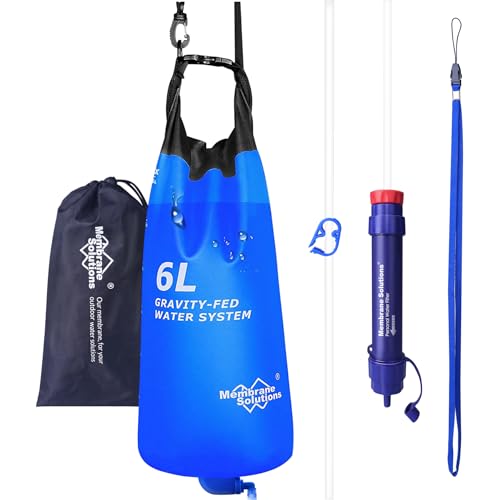
Gravity systems are perfect for basecamps. Fill the reservoir, hang it from a tree, and let gravity do the work. These systems can filter large volumes of water with minimal effort, making them excellent for families and groups who need a steady supply of clean water.
Best for: Family camping, basecamp, emergency preparedness.
Straw Filters
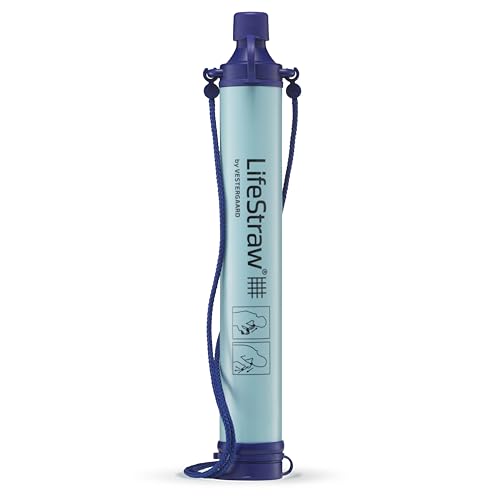
Personal straw filters offer ultimate convenience—simply dip and sip directly from the water source. They are exceptionally lightweight and require no setup. However, they are best suited for individual use and may not be practical for filtering large quantities of water.
Best for: Emergency kits, solo day hikes, minimalist camping.
UV Purifiers
UV purifiers use ultraviolet light to neutralize pathogens. They are highly effective against viruses (which many filters cannot remove) and require no pumping or squeezing. These systems need batteries or a power source, making them better suited for car camping or trips where weight is less of a concern.
Best for: International travel, car camping, treating clear water.
For those who want to explore the technological side of water treatment, our camping water filters tech guide provides detailed explanations of filtration mechanisms and innovations.
Key Features to Consider When Choosing a Camping Water Filter
With so many options on the market, focusing on the features that matter most for your camping style will help you narrow down your choices. Here are the critical factors to evaluate:
Filtration Effectiveness
The most important consideration is what the filter removes. Look for systems that remove or reduce:
- Bacteria: E. coli, Salmonella, and other harmful bacteria (typically 99.9999% removal)
- Protozoa: Giardia, Cryptosporidium (typically 99.9% removal)
- Viruses: Many standard filters do not remove viruses—UV purifiers or chemical treatment may be needed for international travel
- Sediment and microplastics: Important for water quality and taste
Flow Rate and Ease of Use
A filter that is difficult to use will discourage you from drinking enough water. Pump filters with ergonomic designs and squeeze filters with high flow rates make hydration effortless. Gravity systems offer the best ease of use for groups, as they require no manual effort once set up.
Weight and Packability
For backpacking, weight is critical. Squeeze filters and straw filters are the lightest options, often weighing just a few ounces. Pump filters and gravity systems are heavier but offer greater capacity and convenience for basecamp use. If you are concerned about total pack weight, review our hiking backpacks for men and hiking backpack for women guides to find a pack that distributes weight efficiently.
Cartridge Life and Maintenance
Filter cartridges have a limited lifespan, typically measured in liters. Some models offer cleanable cartridges that can be backflushed to extend their life, while others require replacement. Consider the availability and cost of replacement cartridges before purchasing. For long-term durability, premium models often feature more robust construction and longer-lasting filter elements.
Versatility
Some filters work with multiple container types, while others are designed for specific bottles or reservoirs. If you plan to use your filter with various containers, look for models that offer universal connectivity or include adapters.
Camping Water Filter Comparison at a Glance
| Filter Type | Best Use Case | Weight | Ease of Use | Group Size |
|---|---|---|---|---|
| Squeeze Filter | Solo backpacking | Ultralight | Moderate | 1 person |
| Pump Filter | Group camping | Moderate | Moderate | 1–4 people |
| Gravity Filter | Basecamp & families | Heavier | Very Easy | 2–8 people |
| Straw Filter | Emergency & solo | Ultralight | Easy | 1 person |
| UV Purifier | Car camping & travel | Moderate | Easy | 1–2 people |
When selecting a filter, consider how you will use it most often. A solo backpacker will prioritize weight and packability, while a family camper will value capacity and ease of use. Our campground vs wild camping guide can help you determine which camping style fits your needs best.
How to Use a Camping Water Filter Safely
Proper technique is essential to ensure your water is truly safe to drink. Follow these guidelines:
- Choose your water source wisely: Always collect water from moving sources (rivers, streams) rather than stagnant pools. Avoid water with visible debris or unusual coloration. If the water is cloudy, pre-filter it through a cloth or coffee filter to extend the life of your filter cartridge.
- Follow the manufacturer's instructions: Every filter is different. Read the manual carefully to understand proper usage, maintenance, and storage procedures.
- Backflush regularly: Most filters require periodic backflushing to clear sediment and maintain flow rate. Do this every few days during extended trips or when you notice reduced flow.
- Protect from freezing: Water trapped inside a filter can expand when frozen, damaging the internal structure and rendering it ineffective. In cold weather, sleep with your filter or store it in an insulated pouch. For more cold-weather tips, see our winter camping gear guide.
- Have a backup method: Carry purification tablets or a backup filter in case your primary system fails. Redundancy is critical in remote areas.
- Practice good hygiene: Keep the clean end of your filter separate from the dirty end. Wash your hands after handling untreated water.
For comprehensive safety information, visit our wilderness first aid guide and emergency preparedness camping resources.
Maintaining Your Water Filtration System
Proper maintenance extends the life of your filter and ensures it continues to perform when you need it most. Here are essential maintenance practices:
- Clean after every trip: Backflush the filter and allow it to air dry completely before storing. Store in a clean, dry place away from direct sunlight.
- Replace cartridges on schedule: Keep track of how many liters you have filtered. Most manufacturers specify a maximum capacity—exceeding it can compromise effectiveness.
- Inspect for damage: Before each trip, inspect hoses, O-rings, and connections for cracks or wear. Replace any damaged components.
- Winterize properly: If storing during winter, ensure the filter is completely dry to prevent freeze damage. For winter camping tips, see our winter camping safety guide.
If you are camping in areas where water quality is questionable, consider bringing a secondary treatment method such as purification tablets. Our emergency communication guide covers other essential safety preparations.
Ready to Find Your Perfect Camping Water Filter?
Browse our top recommended water filtration systems below and ensure safe, clean drinking water on every adventure.
VIEW TOP PICKSFrequently Asked Questions About Camping Water Filters
Most filters are designed for freshwater sources like lakes, rivers, and streams. Avoid filtering saltwater, chemically contaminated water, or water with heavy algal blooms. If the water source looks questionable, find another source or use a chemical treatment method as a backup.
It depends on the model and how much you use it. Most cartridges are rated for a specific volume of water—check your manufacturer's guidelines. Signs that it is time to replace include reduced flow rate that does not improve after backflushing, or visible damage to the cartridge.
In North America and most developed countries, the risk of viral contamination in backcountry water sources is relatively low. However, if you are traveling internationally or camping in areas with poor sanitation infrastructure, a filter that removes viruses (or a UV purifier) is strongly recommended. For more information, see our camping water filters tech guide.
Yes, but you must prevent the filter from freezing. Water expands when it freezes, which can crack the internal filter membrane and ruin the cartridge. Keep your filter in an inside pocket or sleeping bag when temperatures drop. For more cold-weather camping advice, visit our winter camping section.
A water filter physically removes pathogens and sediment by forcing water through a fine membrane. A water purifier goes a step further by also neutralizing viruses, often using UV light or chemicals. Filters are generally sufficient for backcountry camping in developed regions, while purifiers are recommended for international travel or areas with known viral risks.
Final Thoughts on Choosing a Camping Water Filtration System
Investing in a quality water filtration system is one of the most important decisions you can make for your camping safety and comfort. The right system will depend on your camping style, the size of your group, and the environment you plan to explore. Solo backpackers will appreciate the lightweight convenience of a squeeze filter, while families and basecampers will benefit from the effortless efficiency of a gravity system.
No matter which type you choose, proper usage and maintenance are essential to ensure your filter performs reliably when you need it most. Practice using your filter at home before your trip, and always carry a backup method in case of failure. With the right preparation, you can enjoy clean, safe drinking water wherever your adventures take you.
For more camping gear guidance, explore our camping gear section and camping checklists to ensure you are fully prepared for your next outdoor adventure. If you are new to camping, our first time camping tips and camping FAQ will help you get started on the right foot.