
Easy Pop Up Tents: Stress-Free Camping Starts Here
Discover how instant tents transform your outdoor experience. No more tangled poles or complicated instructions — just unpack, pop, and you're ready to relax.
SEE TOP PICKSThe CampLifeEssentials Promise: We know that setting up camp shouldn't feel like a test of patience. Easy pop up tents are engineered for speed and simplicity, letting you spend less time building and more time enjoying nature. This guide will walk you through everything you need to know before choosing your instant shelter.
What Exactly Are Easy Pop Up Tents?
Easy pop up tents — also called instant tents or quick-setup tents — use a pre-assembled frame system that springs into shape with minimal effort. Unlike traditional tents that require threading poles through sleeves and connecting shock-corded segments, a pop up tent typically deploys in under a minute. The secret lies in a hub-and-spoke or pre-bent pole design that stays connected at all times. When you remove the tent from its carry bag and release the strap, the frame unfolds automatically. Most models require only a few clicks to lock the roof and walls into place. Takedown is just as straightforward: you reverse the process, and the tent folds back into a compact disc shape. For anyone who has struggled with choosing the right tent size or wrestled with poles in the rain, an instant tent removes a major barrier to enjoying the outdoors. If you are curious about how these compare to other shelter types, our guide on tent vs hammock offers a helpful perspective.
Why Campers Love Easy Pop Up Tents
Lightning-Fast Setup
Most easy pop up tents go from bag to fully pitched in 60 to 120 seconds. This is invaluable when you arrive at camp after dark, in bad weather, or with restless kids in tow.
Beginner-Friendly
If you are new to camping, an instant tent eliminates the steep learning curve. There are no poles to lose, no sleeves to thread, and no confusing diagrams to decipher.
Great for Families
Parents appreciate that even older children can help pitch a pop up tent. It turns a potentially stressful chore into a fun group activity. For more family-oriented tips, see our first time camping tips.
Compact When Packed
Despite their rapid deployment, most pop up tents fold into a flat, circular package that fits easily in a car trunk. This makes them ideal for camping equipment for car trips and weekend getaways.
Key Features to Evaluate Before You Buy
Not all instant tents are created equal. Understanding the following features will help you identify the model that best matches your camping style. If you are still deciding between a pop up and a traditional cabin design, our article on are expensive tents worth it provides useful context on long-term value.
- Setup Mechanism: Look for a tent with a smooth, predictable deployment. Entry-level models may require a bit more manual adjustment, while mid-range and premium options often feature pre-attached poles and color-coded hubs that snap together effortlessly. The very best instant tents can be pitched by one person in under a minute.
- Weather Resistance: Check the tent's hydrostatic head rating for the rainfly and floor. A higher rating indicates better waterproofing. Also examine the seams — taped or welded seams are superior to simple stitching. For camping in wet conditions, review our set up a tent in the rain guide for additional protection strategies.
- Ventilation: Condensation is a common issue in any tent, but pop up models with limited mesh panels can be especially prone to interior moisture. Look for tents with multiple mesh windows, roof vents, and a design that promotes cross-flow. Our article on anti-condensation mat for roof top tent discusses principles that apply to ground tents as well.
- Durability of the Frame: The folding mechanism is the heart of any pop up tent. Fiberglass poles are common and offer a good balance of weight and resilience. Aluminum frames are lighter and more durable but usually found on premium models. Always check user reviews for long-term frame reliability.
- Size and Capacity: Pop up tents are available in sizes ranging from solo shelters to large family cabins. As a rule of thumb, choose a tent rated for one more person than you plan to sleep inside. This gives you room for gear and reduces crowding. For a deeper dive, see our guide on how to choose tent size.
- Packed Size and Weight: If you plan to carry your tent any distance, weight matters. Pop up tents are generally heavier than their traditional counterparts because of the integrated frame. Consider how far you need to transport the tent from your vehicle to your campsite.
Understanding Quality Tiers in the Pop Up Tent Market
To help you navigate the market without focusing on fluctuating prices, we use universal quality descriptors. This approach keeps our guidance relevant for years to come.
| Tier | Typical Characteristics | Best Suited For |
|---|---|---|
| Entry-Level / Budget-Friendly | Basic pop up mechanism, lighter-duty fabrics, fewer mesh panels, simpler rainfly design. Setup may require a bit more manual adjustment. | Occasional campers, backyard sleepovers, festival goers, and those testing whether they enjoy instant tents. |
| Mid-Range / Mid-Tier | Smoother deployment, better waterproof coatings, taped seams, improved ventilation with multiple windows, more robust frame components. Often includes a carry bag with shoulder straps. | Regular weekend campers, small families, and anyone who values a balance of convenience and durability. |
| Premium / High-End | Near-instant setup with pre-attached poles and hub systems, high hydrostatic head ratings, aluminum frames, darkroom technology, integrated LED lighting, and superior ventilation. Often backed by extended warranties. | Frequent campers, large families, and those who prioritize longevity, comfort, and advanced features. |
A mid-range model typically offers a noticeably smoother experience than an entry-level tent, while a premium tent adds refinement and long-term reliability. Consider how often you camp and the conditions you expect to encounter. If you are exploring the broader world of instant shelters, you might also look at good pop up tents for additional options, or compare them with the easiest tent to set up and take down across all categories.
Setup and Takedown: Getting the Most from Your Instant Tent
Even the easiest pop up tent benefits from a little technique. Here are practical tips to make your experience as smooth as possible.
- Choose a Level, Clean Surface: Remove rocks, twigs, and debris before unfolding your tent. A groundsheet or footprint adds protection and extends the life of the floor. If you are setting up on a platform, our guide on setting up a tent on a platform offers specific advice.
- Practice at Home First: Before your trip, pitch and pack your tent in your backyard or living room. Familiarity with the mechanism reduces stress at the campsite and helps you identify any missing parts.
- Secure Your Tent Immediately: As soon as the tent pops open, stake it down. Pop up tents can become sails in the wind. Even on a calm day, secure all corners and guy lines.
- Mind the Rainfly: Attach the rainfly before you need it. If rain is forecast, ensure it is properly tensioned and covers all vents. Our article on camping in a tent in the rain provides a thorough checklist.
- Takedown Technique: Most instant tents fold back by pushing the hub or pulling a release strap. Do this on a clean surface to avoid getting mud or pine needles inside. Practice the fold a few times so it becomes second nature.
Our Recommended Easy Pop Up Tents
We have curated a selection of highly regarded easy pop up tents available through our affiliate partner. These models represent a range of sizes and feature sets to suit different campers. For even more choices, explore our full list of easy pop up tents and good pop up tents.
Top-Rated Easy Pop Up Tents for Instant Camping
⚠️ AFFILIATE DISCLOSURE: This website contains affiliate links. As an Amazon Associate, we earn from qualifying purchases. If you make a purchase through these links, we may receive a small commission at no additional cost to you. Read our full affiliate policy.

WEIZE 10x10 Slant Legs Pop Up Canopy Tent, 1-Button Push Setup Canopy Tent, Adjustable Height Instant Portable Shelter, Protable Backpack, Easy Outdoor Sun Shade for Events, 8x8 Top, Blue

Pop Up Tents for Camping 4 Person Waterproof Military Popup Tent Camping Easy Up Camping Tents Instant Pop Up Tent Big Green

HINSTANT 4/6/8/10 Person Instant Tent,Pop Up Tents for Camping with Rainfly

Vinabilia 10x10 Pop Up Canopy Tent with One-Push Center Lock,White

FanttikOutdoor Zeta C6 Pro 6 Person Tent for Camping Setup in 60s (Khaki)
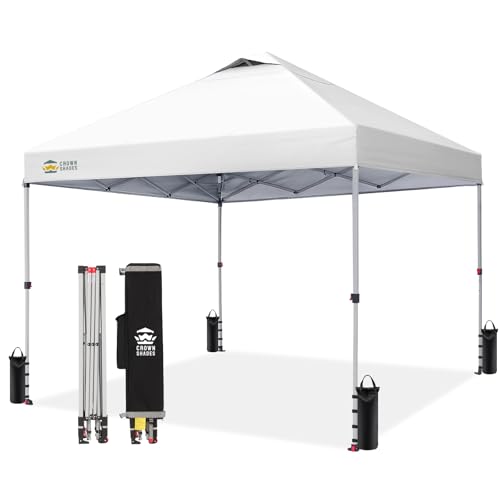
CROWN SHADES 10x10 Pop Up Canopy Tent with One Push Setup, Grid White
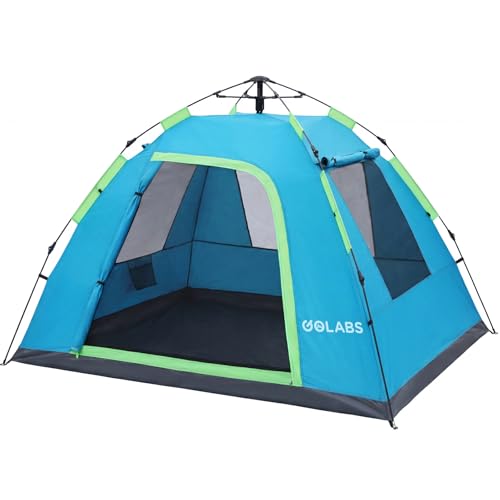
Golabs CT3 Instant Pop Up Tent for Camping, 2 Person Easy Setup Tent, Blue

4 Person Instant Tents for Camping Setup in 50s, Cabin Tent with Rainfly
Frequently Asked Questions About Easy Pop Up Tents
Are easy pop up tents suitable for bad weather?
Many modern instant tents are designed with decent weather resistance, but performance varies by tier. Entry-level models may handle light rain, while mid-range and premium pop up tents often feature taped seams, higher waterproof ratings, and robust rainflies capable of handling sustained downpours. Always check the hydrostatic head rating and read user reviews for real-world weather performance. For camping in challenging conditions, review our camping in a tent in the rain guide.
Can one person set up an easy pop up tent alone?
Absolutely. One of the primary advantages of instant tents is their solo-friendly design. Most models can be deployed and secured by a single person in a matter of minutes. Larger family-sized pop up tents may be a bit more awkward to maneuver, but they are still manageable for one adult. If solo camping is a priority, look for models that explicitly state "one-person setup." Our article on is camping alone safe covers broader considerations for solo adventurers.
How do I pack an easy pop up tent back into its bag?
Packing away an instant tent requires a specific folding motion, but it becomes easy with practice. Most manufacturers include instructions sewn into the carry bag or provide a QR code linking to a video tutorial. The key is to follow the reverse of the setup sequence: release the hubs, fold the sides inward, and then bring the poles together. Practicing at home before your trip is highly recommended. If you are concerned about packing in wet conditions, our guide on set up a tent in the rain includes tips for handling wet gear.
Are pop up tents durable enough for frequent use?
Durability depends largely on the quality tier and how well you care for the tent. Entry-level models are best for occasional use, while mid-range and premium instant tents are built to withstand regular camping seasons. Proper maintenance — cleaning, drying thoroughly before storage, and avoiding unnecessary stress on the frame — significantly extends the lifespan of any tent. For a broader discussion on tent longevity, see our article on how long do tents last.
Can I use an easy pop up tent for backpacking?
Traditional pop up tents are generally heavier and bulkier than backpacking-specific shelters, making them less ideal for long-distance hiking. However, some compact, lightweight pop up models exist for minimalist campers. If backpacking is your primary activity, you may want to explore dedicated backpacking tents. Our guide on hiking backpacks for men and hiking backpack for women can help you plan your pack. For car camping and festival trips, however, a pop up tent is an excellent choice.
Final Thoughts: Is an Easy Pop Up Tent Right for You?
Easy pop up tents have revolutionized casual camping by removing the most common frustration: complicated setup. They are ideal for car campers, families, festival attendees, and anyone who wants to maximize relaxation time and minimize camp chores. While they may not replace a specialized backpacking tent or a heavy-duty expedition shelter, for the vast majority of recreational camping trips, an instant tent delivers an unbeatable combination of convenience and comfort.
When choosing your pop up tent, focus on the features that matter most for your typical adventures: weather resistance for wet climates, ventilation for warm weather, and size for your group. Use our quality tier framework to align your expectations with the right product. And remember, the best tent is the one that gets you outside more often. We hope this guide has given you the confidence to choose the perfect easy pop up tent for your next adventure.
For more help planning your trips, explore our camping essentials check list and what to bring on a camping trip guides. Happy camping!
VIEW RECOMMENDED TENTS