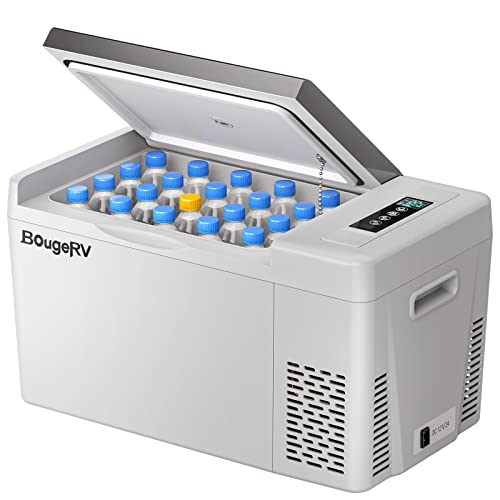
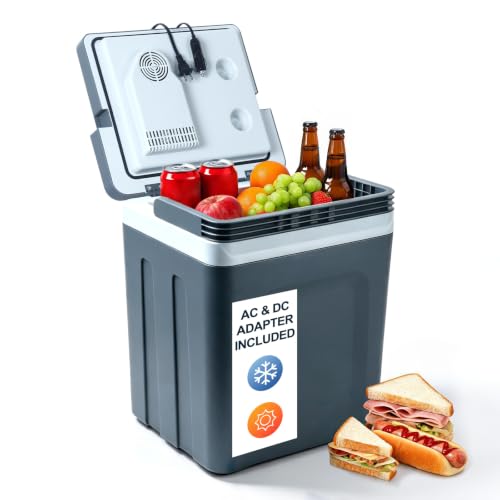
Imagine arriving at your campsite after a long drive, reaching for a cold drink, and finding it perfectly chilled. That's the promise of a portable electric cool box — a game-changer for campers who want reliable refrigeration without relying on ice. Unlike traditional coolers that need constant ice replenishment, electric cool boxes run on 12V DC power from your car or a portable power station, keeping contents consistently cold for days.
If you're still weighing your options between electric cooling and traditional ice chests, our guide to the best electric cooler for camping breaks down the pros and cons in detail. For now, let's focus on what makes a portable electric cool box the right investment for your outdoor setup.
What Is a Portable Electric Cool Box?
A portable electric cool box — also called a 12V cooler, electric cooler, or thermoelectric cooler — is a refrigeration unit designed for mobile use. It plugs into a vehicle's 12V accessory socket (cigarette lighter) or a portable power station. Most models use thermoelectric technology (Peltier effect) to transfer heat away from the interior, while premium options use compressor-based cooling for true refrigeration performance.
💡 Key Insight: Thermoelectric coolers can cool up to 40°F below ambient temperature, while compressor models can reach freezing or near-freezing temperatures regardless of outside heat. Your choice depends on how you plan to use it.
For car campers who want to keep snacks and drinks cool during a weekend trip, a thermoelectric unit is often sufficient. For overlanders, van lifers, or anyone storing perishables for a week or more, a compressor-driven portable fridge is the superior choice.
How Does a Portable Electric Cool Box Work?
Understanding the mechanics helps you choose the right model. There are two primary technologies:
1. Thermoelectric (Peltier) Cooling
This technology uses semiconductor plates that create a temperature differential when electricity passes through them. One side gets cold, the other hot. A fan dissipates the heat. These units are lightweight, affordable, and can also warm contents — a useful dual-purpose feature. However, their cooling capacity depends on ambient temperature, and they consume a steady amount of power.
2. Compressor Cooling
Compressor coolers work like your home refrigerator: refrigerant circulates through a sealed system, absorbing heat and releasing it outside. They cool faster, reach lower temperatures, and maintain consistent performance even in extreme heat. The trade-off is higher upfront cost, slightly more weight, and a higher power draw — though many modern models are highly efficient.
If you're camping in a vehicle with a dual-battery setup or a robust portable power station, a compressor model is worth the investment. For short trips where weight and simplicity matter, thermoelectric is a practical entry point.
Key Features to Consider When Choosing a Portable Electric Cool Box
Before buying, evaluate these factors against your camping style:
- Capacity: Sizes range from compact 10-quart units for day trips to 50-quart models for family camping. A good rule: 1.5 quarts per person per day for food and drinks.
- Power Source: Most run on 12V DC. Some include AC adapters for home use or dual-zone cooling for fridge and freezer compartments.
- Cooling Performance: Thermoelectric units cool to about 40°F below ambient; compressor models can maintain 0°F or lower.
- Insulation & Construction: Thick insulation and a well-sealed lid retain cold air. Rotomolded bodies resist dents and scratches.
- Power Consumption: Look for energy-efficient models, especially if you rely on a battery bank. Compressor coolers often have eco modes.
- Portability: Handles, wheels, and weight matter if you move it between car and campsite.
For a deeper dive into power options, explore our camping power bank guide and solar charger recommendations. Pairing your cool box with a reliable power source ensures uninterrupted cooling.
Thermoelectric vs. Compressor: Which Is Right for You?
This comparison table summarizes the differences to help you decide:
| Feature | Thermoelectric (Peltier) | Compressor |
|---|---|---|
| Cooling Depth | Up to 40°F below ambient | Down to 0°F or lower |
| Performance in Heat | Less effective in extreme heat | Consistent regardless of ambient |
| Power Draw | Moderate, steady | Higher but often efficient |
| Weight | Lighter | Heavier |
| Warming Function | Often yes | Rarely |
| Market Tier | Entry-level to mid-range | Mid-range to premium |
If you're a casual camper who takes weekend trips and wants an affordable way to keep drinks cold, a thermoelectric model fits well. If you're a serious overlander or need to store meat and dairy for extended periods, invest in a compressor-based 12V cooler for car use.
How to Use a Portable Electric Cool Box Efficiently
Getting the most from your electric cooler requires a few smart habits:
- Pre-chill before loading: Plug it in at home or fill with ice for an hour before adding food. This reduces the workload.
- Pack tightly: A full cooler retains cold better than an empty one. Use frozen water bottles to fill gaps.
- Limit opening: Plan what you need before opening the lid. Every opening lets cold air escape.
- Ventilate the unit: Ensure the fan and vents have clearance. Poor airflow reduces efficiency.
- Use a power station: For overnight cooling without draining your car battery, connect to a portable power station.
For camping trips where space is tight, consider a 12V cooler that fits behind the seat or in the trunk. Many models are designed specifically for vehicle use.
Maintenance and Care Tips
Keep your portable electric cool box running smoothly with these practices:
- Clean the interior with mild soap and water after each trip. Avoid harsh chemicals.
- Check seals and latches regularly. Replace if worn.
- Store with the lid slightly open to prevent odors and mold.
- For compressor models, avoid tilting them sharply; let them sit upright for a few hours before plugging in.
- Inspect power cords for fraying, especially if used in rugged conditions.
A well-maintained cool box can last many seasons, making it a worthwhile addition to your camping essentials checklist.
Where Does a Portable Electric Cool Box Fit in Your Camping Setup?
Electric cool boxes are ideal for car camping, RV trips, tailgating, and overlanding. They complement other camping gear like camping chairs with canopy, camping tables, and portable toilets. If you're building a comprehensive car camping kit, a camping equipment for car list can help you organize.
For those who prefer traditional coolers, our guide to wheeled coolers covers another portable option. But if you want the convenience of plug-in cooling, an electric cool box is hard to beat.
Ready to Upgrade Your Camping Kitchen?
Browse our curated selection of portable electric cool boxes below. Whether you need a compact thermoelectric unit or a high-performance compressor fridge, we've gathered top-rated options to match your adventures.