Why a Portable Heater is a Game-Changer for Camping
Camping in cooler weather, whether it's early spring, late fall, or the depths of winter, offers a serene and crowd-free experience. However, the dropping temperatures can quickly turn a pleasant trip into an uncomfortable ordeal. A portable heater for camping is the key to extending your camping season and enjoying the outdoors in comfort.
Modern camping heaters are designed with portability and safety in mind. They can transform a chilly tent into a cozy retreat, allowing you to relax, sleep better, and fully enjoy your surroundings. From compact electric models for car camping with power hookups to powerful propane units for off-grid adventures, there's a heater for every type of camper.
Types of Portable Camping Heaters: Which One is Right for You?
Understanding the different types of heaters is the first step in making the right choice. Each has its own set of advantages and ideal use cases. Here’s a breakdown of the most common options:
1. Propane Heaters
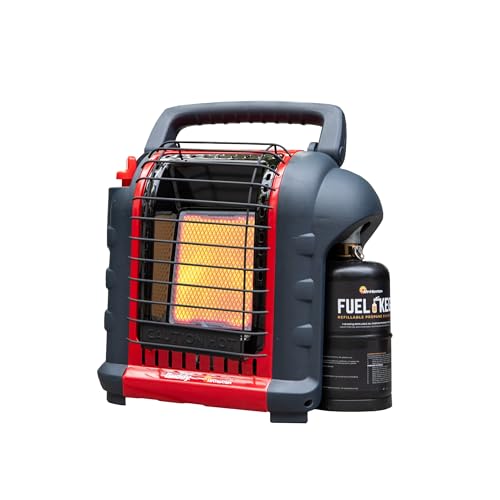
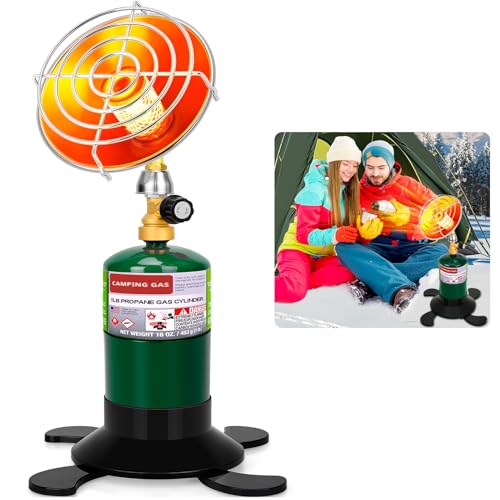
Propane heaters are a favorite among campers for their power and portability. They run on small, refillable propane tanks, like the common 16 oz propane tanks, which are widely available. These heaters are excellent for unpowered campsites and can produce a significant amount of heat. Many models are designed with safety features like tip-over switches and oxygen depletion sensors (ODS), making them suitable for well-ventilated tents and RVs. For a more permanent or larger-scale setup, some campers integrate a propane system into their vehicle, similar to components found in camper supplies and parts.
2. Electric Heaters
Electric heaters are the simplest and safest option when you have access to a power source. They are ideal for campgrounds with electrical hookups or for use in an RV. They produce no fumes, require no fuel, and are generally very quiet. A small, portable electric heater is perfect for keeping the chill off in a tent or a camper. When you're looking at gear for a powered site, it's worth considering the other camping equipment for car camping that can make your trip more comfortable.
3. Wood-Burning Stoves
For the ultimate off-grid experience, a portable wood-burning stove is unmatched. These stoves are typically used in specialized hot tents for sale that have a stove jack. They provide exceptional heat, allow you to cook, and create a wonderful ambiance. However, they require more skill to operate, need a steady supply of dry wood, and are heavier than other options. This is a serious piece of gear for dedicated winter campers who want to winter camp in remote locations.
Key Factors to Consider When Choosing a Camping Heater
Before you buy, consider these critical points to ensure you get a heater that fits your needs and keeps you safe.
Safety First: Ventilation and Features
Safety is paramount. Any fuel-burning heater (propane, wood) consumes oxygen and produces carbon monoxide. Always ensure proper ventilation in your tent or shelter. Look for heaters with an Oxygen Depletion Sensor (ODS) and an automatic shut-off if tipped over. Never use a fuel-burning heater in a completely sealed space. If you're new to this, it's wise to review winter camping safety guidelines.
Power Source and Portability
Your choice is often dictated by your power source. Will you have electricity? If not, a propane or wood-burning option is necessary. Consider the size and weight of the heater, especially if you're backpacking. For car camping, portability is less of a concern, and you can opt for a more powerful unit. If you're looking to power other devices, a portable power station can be a great companion for electric heaters, though you'll need to check the power draw carefully.
Heat Output and Coverage
Heaters are rated in British Thermal Units (BTUs). A small tent may only need a few thousand BTUs, while a large RV or a drafty tent might require significantly more. Match the heater's output to the size of the space you need to heat. Overpowering a small space can make it too hot, while an undersized heater won't do the job.
Noise Level and Ease of Use
Electric heaters are generally silent, while some propane and wood-burning models can be noisy. Consider whether the sound will disturb your sleep. Ease of use is another factor; electric heaters are plug-and-play, while wood stoves require more attention. Propane heaters are a good middle ground, offering easy ignition and consistent heat.
Tips for Using a Portable Heater Safely While Camping
- Ventilation is Non-Negotiable: Always crack a tent window or vent, even in cold weather, to allow fresh air to circulate. This prevents the buildup of carbon monoxide and moisture.
- Keep a Safe Distance: Place the heater on a stable, non-flammable surface, away from tent walls, sleeping bags, and other gear. Never place anything on top of the heater.
- Turn It Off Before Sleep: Unless your heater is specifically designed for unattended use (which is rare), turn it off before you go to sleep. Use a high-quality winter sleeping bag to stay warm overnight.
- Inspect Your Gear: Before each trip, check your heater, hoses, and connections for damage or leaks. For propane, a simple soapy water test on connections can reveal leaks.
- Have a Plan: Be prepared for the heater to fail. Have extra blankets, warm clothing, and a backup plan to stay warm. Familiarize yourself with how to prevent frostbite and hypothermia.
Enhancing Your Camping Comfort
A heater is just one part of a comfortable cold-weather camping setup. To get the most out of your trip, consider pairing your heater with other gear. For instance, a portable electric cool box can keep food fresh, and a portable hot water shower can provide a warm rinse. These small comforts can make a big difference. For those who enjoy a hot drink, a camping kettle is essential. When setting up your camp, ensure you have the right gear for your vehicle, like a 12v cooler for car if you're on the road. With the right preparation, cold-weather camping can be incredibly rewarding.