Pop Up Beach Canopy: Your Ultimate Guide to Instant Sun Protection
Everything you need to know before buying a pop up beach canopy. Learn about setup, stability, UV protection, and find the perfect shelter for your beach days.
START YOUR RESEARCH
CampLifeEssentials Philosophy: A pop up beach canopy is one of the most convenient ways to create shade on the sand. But not all canopies are created equal. This guide will help you understand the key features, trade-offs, and top options so you can choose with confidence.
Why a Pop Up Beach Canopy is a Beach Day Game-Changer
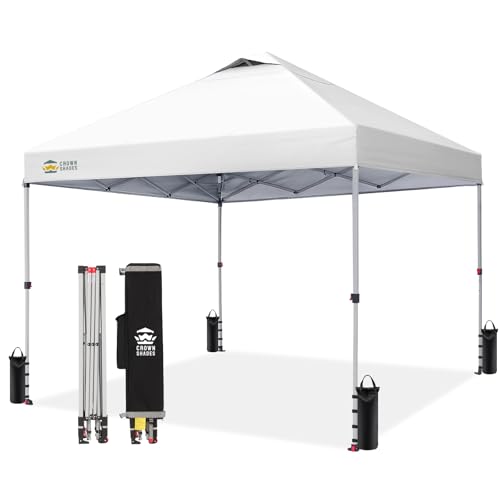
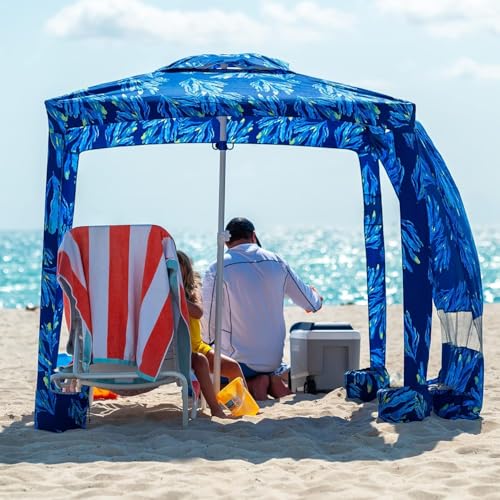
Spending a day at the beach is one of summer's greatest pleasures, but the sun can quickly turn a relaxing outing into an uncomfortable experience. A pop up beach canopy offers a fast, portable solution for creating a shaded retreat wherever you set up. Unlike traditional beach umbrellas that can be difficult to anchor in sand and offer limited coverage, a pop-up canopy provides a spacious, stable, and often fully enclosed shelter that protects you from harmful UV rays, wind, and even light rain.
These canopies are designed for convenience. They deploy in seconds, often with a simple pulling motion or a one-push mechanism, and fold down into a compact carrying bag. This makes them ideal for families, couples, and solo beachgoers who want to maximize relaxation and minimize setup hassle. If you're also considering other shade options, you might want to look at a top-rated beach tent or a pop-up beach tent sun shade shelter to compare designs.
Key Features to Evaluate in a Pop Up Beach Canopy
Before you buy, it's important to understand the features that separate a great canopy from one that will frustrate you. Here are the critical factors:
1. Setup Mechanism
The defining feature of a pop up canopy is its rapid deployment. Most models use either a hub-and-spoke system or a pre-assembled frame that springs open. Entry-level models may require a bit more effort to lock into place, while mid-range and premium options often feature a true "instant" setup where the frame pops into shape with minimal input. The easiest models can be set up by one person in under a minute. For those who prioritize simplicity, an easy pop up tent or a pop up tent you can stand up in might also be worth exploring if you need more enclosed space.
2. Stability and Anchoring
Beach sand is notoriously unstable, and a gust of wind can turn a poorly anchored canopy into a runaway kite. Look for canopies that come with sandbags, stakes, or a combination of both. Some models feature integrated sand pockets that you fill on-site for added weight. The frame material also matters; thicker aluminum or fiberglass poles generally offer better durability than thin plastic ones. A well-anchored canopy should remain secure in moderate breezes. If you're camping in windier conditions, you might want to check out a heavy-duty camping chair that can handle the elements, or consider a portable folding camping chair for a more solid seat.
3. UV Protection and Fabric Quality
The primary purpose of a beach canopy is sun protection. Look for fabrics with a UPF (Ultraviolet Protection Factor) rating of 50+, which blocks 98% of UV rays. Polyester and nylon are common, but the coating and weave density determine the actual protection. Some canopies use silver-coated or reflective materials to reduce heat buildup underneath. A canopy with a high UPF rating and good ventilation will keep you cooler and safer.
4. Size and Coverage
Pop up beach canopies come in various sizes, from small solo shelters to large family-sized options. Consider how many people you need to shade and whether you want space for chairs and a cooler. A 10x10 canopy is a popular choice for families, offering ample room. However, larger canopies can be heavier and bulkier to carry. If portability is your top priority, a smaller 2-person compact portable pop up tent might be a better fit.
5. Ventilation and Airflow
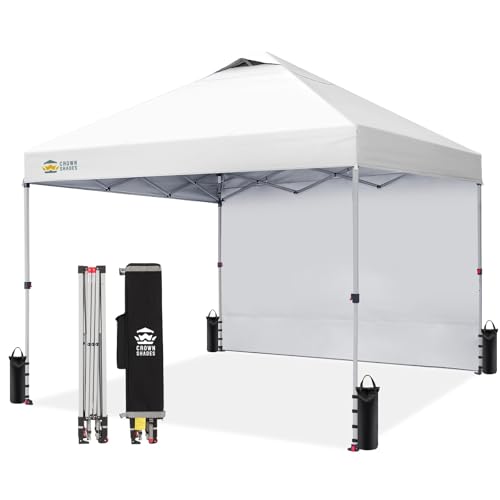
Beach environments can get hot, and a canopy that traps heat will quickly become uncomfortable. Look for models with mesh panels, vents, or open sides to promote airflow. Some canopies have convertible walls that can be rolled up or removed entirely. Proper ventilation also helps prevent condensation and reduces wind resistance.
6. Portability and Weight
Since you'll likely be carrying your canopy from the car to the beach, weight and packed size are crucial. Most pop up canopies come with a carry bag, but the overall weight can range significantly. Entry-level models might be lighter but less durable, while premium canopies may be heavier due to stronger materials. If you have a long walk to the sand, consider a lighter option or a canopy with a backpack-style carry bag. For hauling other gear, a fishing cart for beach can be a lifesaver.
Pop Up Beach Canopy Comparison: Tier-Based Overview
To help you navigate the market, here's a comparison of typical features you'll find across different quality tiers. Remember, these are generalizations; specific models may vary.
| Feature |
Entry-Level |
Mid-Range |
Premium / Luxury |
| Setup Mechanism |
Basic pop-up, may require some force to lock |
Smooth instant setup, often one-person friendly |
Effortless one-push or pull system, self-locking |
| Frame Material |
Lightweight steel or plastic joints |
Aluminum or fiberglass poles |
Reinforced aluminum, corrosion-resistant |
| Fabric & UV Protection |
Basic polyester, UPF 30-50 |
Coated polyester, UPF 50+ |
High-density fabric with reflective coating, UPF 50+ |
| Anchoring System |
Basic stakes or sandbags |
Sandbags plus stakes, sometimes integrated pockets |
Heavy-duty sandbags, multiple anchor points, guy lines |
| Ventilation |
Limited mesh panels |
Mesh walls or roof vents |
Convertible walls, large mesh panels, adjustable airflow |
| Portability |
Lightweight but bulky |
Compact carry bag, moderate weight |
Ergonomic backpack-style bag, optimized weight distribution |
| Durability |
1-2 seasons with moderate use |
3-4 seasons with care |
5+ seasons, UV-resistant and weatherproof |
Top Pop Up Beach Canopy Recommendations
Based on our research and user feedback, here are some of the best pop up beach canopies across different tiers. These recommendations focus on performance, durability, and value.
Best Entry-Level: Convenient Shade on a Budget
This canopy is perfect for occasional beachgoers. It offers a straightforward pop-up design, basic UV protection, and a lightweight frame. It's easy to carry and sets up in minutes. While it may not withstand strong winds, it's a solid choice for calm days.
Read More →
Best Mid-Range: The Sweet Spot of Performance
This model strikes a balance between ease of use and durability. It features a smooth instant setup, UPF 50+ fabric, and an improved anchoring system with sandbags. The added ventilation keeps the interior comfortable even on hotter days.
Read More →
Best Premium: Ultimate Comfort and Longevity
For those who want the best, this canopy delivers. It boasts a robust aluminum frame, reflective UV coating, and a sophisticated anchoring system that stays put in breezy conditions. The convertible walls and superior ventilation make it a luxurious beach retreat.
Read More →
How to Choose the Right Pop Up Beach Canopy for Your Needs
With so many options available, narrowing down your choice can be overwhelming. Here's a step-by-step approach:
Step 1: Determine Your Group Size
Are you shading just yourself, a partner, or a whole family? A smaller canopy (like a 6x6 or 8x8) is sufficient for one or two people, while a 10x10 or larger is better for families or groups. Remember that a larger canopy also requires more effort to transport and set up.
Step 2: Assess Your Typical Beach Conditions
If you frequent windy beaches, prioritize stability features like sandbags and sturdy frames. If you're usually at calm, sheltered spots, a lighter canopy may suffice. Also consider the sun intensity; a higher UPF rating is always a good investment.
Step 3: Consider Setup and Portability
How far do you have to carry your gear? If it's a short walk, weight is less of an issue. If you trek a distance, look for a lightweight model with a comfortable carry bag. The ease of setup is also key; some canopies are truly instant, while others require more assembly.
Step 4: Evaluate Ventilation and Comfort
A canopy that blocks the sun but traps heat is not ideal. Look for mesh panels, roof vents, or convertible walls that allow for cross-ventilation. This will keep you cooler and make your beach day more enjoyable.
Step 5: Set a Tier-Based Expectation
Understand what each tier offers. Entry-level canopies are fine for infrequent use, mid-range offers the best value for regular beachgoers, and premium canopies are for those who demand the best performance and durability. For related gear, you might also want to check out our guide on camping chairs with canopy for personal shade.
Pro Tips for Setting Up and Using Your Pop Up Beach Canopy
Once you have your canopy, a few simple practices will ensure it serves you well:
- Practice at Home: Before your beach trip, set up and take down your canopy in your backyard. This will familiarize you with the mechanism and save time on the sand.
- Anchor Properly: Always use the provided sandbags or stakes. Fill sandbags to their recommended weight and bury stakes deep. If it's windy, consider adding extra guy lines.
- Position for Wind: Set up your canopy so that the lowest side faces the wind. This reduces wind resistance and prevents it from tipping.
- Check Regulations: Some beaches have restrictions on canopy sizes or types. Always check local rules before setting up.
- Clean and Store Dry: After use, shake off sand and allow the canopy to dry completely before storing. This prevents mold and extends its lifespan.
For more tips on beach camping and outdoor safety, explore our guides on beach camping and campfire safety rules.
Frequently Asked Questions About Pop Up Beach Canopies
How long does it take to set up a pop up beach canopy?
Most pop up canopies can be set up in under 2 minutes. Premium models with instant mechanisms may take as little as 30 seconds. Entry-level models might take slightly longer as you familiarize yourself with the locking system.
Can a pop up beach canopy withstand wind?
Yes, if properly anchored. Using sandbags, stakes, and guy lines will help. However, in strong winds, it's safest to take down the canopy to avoid damage or injury. Look for models with reinforced frames and multiple anchor points for better wind resistance.
Are pop up beach canopies waterproof?
Most are water-resistant, meaning they can handle light rain or splashes. However, they are not fully waterproof. If you expect rain, look for a canopy with a waterproof coating or consider a pop up tent for cold and rainy weather instead.
What is the best UPF rating for a beach canopy?
Look for UPF 50+. This blocks at least 98% of UV rays and provides excellent protection. Some canopies also have a silver coating to reflect heat.
Can I use a pop up beach canopy for camping?
Yes, but it's not a substitute for a tent. It provides shade and some weather protection, but it's not enclosed or designed for overnight sleeping. For camping, you'd be better off with a dedicated easy pop up tent or a pop up screen tent with rain flaps.
How do I clean my pop up beach canopy?
Wipe down the fabric with a damp cloth and mild soap. Avoid harsh chemicals. Rinse with fresh water and allow it to air dry completely before storing.
Final Thoughts: Making the Right Choice
A pop up beach canopy is a worthwhile investment for anyone who loves spending time at the beach. It provides essential sun protection, creates a comfortable base for your group, and sets up in seconds. By understanding the key features, evaluating your needs, and choosing a model from the appropriate tier, you can enjoy many seasons of shade and relaxation.
Remember to anchor your canopy securely, ventilate it properly, and follow beach regulations. With the right canopy, your beach days will be cooler, safer, and more enjoyable. If you're also looking for other ways to enhance your outdoor comfort, explore our guides on portable chairs for outdoor and low profile beach chairs.