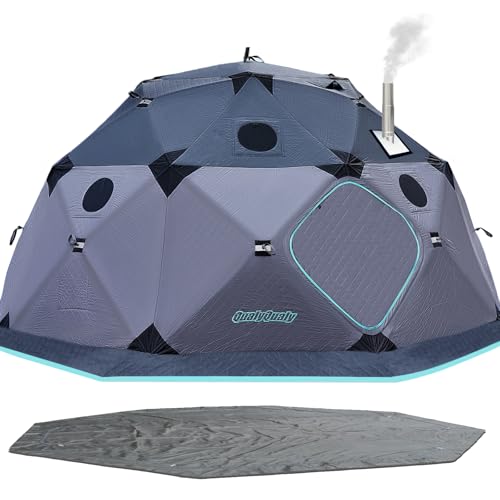
Insulated Tents: The Complete Guide to 4-Season Camping
Stay warm, dry, and comfortable in any weather. Learn what makes a tent truly insulated, how to choose the right one, and which models deliver the best performance for winter and all-season adventures.
START EXPLORING❄️ What is an Insulated Tent? Unlike standard summer tents, insulated tents are designed with thermal materials, double-wall construction, and weather-resistant fabrics to retain heat and block cold drafts. They are essential for winter camping, high-altitude treks, and extended shoulder-season trips.
Why Choose an Insulated Tent?
Insulated tents are built for 4-season performance. Whether you're facing snow, wind, or freezing rain, these tents offer superior warmth retention and condensation management. They are the backbone of any serious winter camping gear setup. Key benefits include:
🌡️ Thermal Efficiency
Specialized fabrics and coatings trap body heat, keeping the interior up to 10–15°F warmer than the outside.
💨 Wind & Snow Protection
Reinforced poles, aerodynamic shapes, and snow skirts prevent collapse and drafts even in harsh conditions.
🌬️ Condensation Control
Breathable yet waterproof materials reduce interior moisture, keeping you and your winter sleeping bags dry.
🕯️ Stove Compatibility
Many insulated tents feature a stove jack for wood-burning stoves, transforming your tent into a cozy hot tent.
Insulated vs. Regular Tent: What's the Difference?
While a standard 3-season tent can handle light rain and mild winds, an insulated tent is engineered for extreme conditions. The main differences lie in materials, construction, and design philosophy. Insulated tents use thicker, multi-layered fabrics and often include a full-coverage rainfly that extends to the ground. They also feature additional pole crossings and stronger frame materials to withstand heavy snow loads.
✅ Benefits of Insulated Tents
- Superior heat retention in sub-zero conditions
- Reduced condensation and moisture buildup
- Durable materials that resist tearing and UV damage
- Often compatible with hot tent camping stoves
- Year-round versatility (4-season use)
⚠️ Considerations
- Heavier and bulkier than summer tents
- Higher cost (premium materials)
- Can be too warm for hot summer nights
- Requires more effort to set up and pack
How Insulation Works in Tents
Insulation in tents is achieved through a combination of fabric technology, double-wall construction, and thermal barriers. The outer layer (rainfly) blocks wind and precipitation, while the inner layer (canopy) uses reflective coatings or thicker polyester/nylon to trap warm air. Some high-end models incorporate thermo-reflective linings that bounce body heat back into the tent. Additionally, insulated tents often feature a bathtub floor with raised edges to prevent cold ground drafts.
For extreme conditions, look for tents with a R-value rating for the floor or use an insulated footprint. Pairing your tent with a quality bedding mat or blow-up bed with built-in pump significantly improves overall warmth.
Types of Insulated Tents
Not all insulated tents are the same. Depending on your camping style and destination, you might choose one of these common types:
- Hot Tents: Designed with a stove jack for wood-burning stoves. Perfect for winter base camps. See also canvas teepee and tent tipi options.
- 4-Season Dome Tents: Classic geodesic or modified dome shapes with extra poles and wind resistance.
- Tunnel Tents: Excellent for snow and wind, offering a larger interior volume. Check our tunnel tent guide.
- Inflatable Insulated Tents: Air-pole designs that are quick to set up and offer good thermal properties.
- Roof-Top Insulated Tents: For overlanding and vehicle-based camping, these hard-shell tents provide excellent insulation. See roof-top tent for full-size truck.
Insulated Tent Buying Guide: Key Features
When shopping for an insulated tent, pay attention to these critical features. They determine how well the tent performs in cold, wet, and windy conditions.
| Feature | Why It Matters | What to Look For |
|---|---|---|
| Fabric & Denier | Higher denier = more durable and better insulation. | 75D–100D polyester or nylon, with silicone or PU coating. |
| Pole System | Strong poles prevent collapse under snow loads. | Aluminum DAC poles, 7000-series alloy. |
| Rainfly Coverage | Full-coverage fly provides maximum wind and moisture protection. | Fly extends to the ground, with taped seams. |
| Ventilation | Prevents condensation while retaining heat. | Multiple vents with adjustable openings. |
| Stove Jack | Allows safe use of a wood stove inside. | Heat-resistant silicone or fiberglass jack with cover. |
| Snow Skirt | Blocks snow from blowing under the fly. | Removable or integrated skirt around the base. |
Top Insulated Tents of the Year
Based on expert reviews and real-world testing, these insulated tents stand out for their build quality, warmth, and durability. Prices reflect mid-2026 market averages.
- Arctic Oven 8x8: Legendary hot tent with stove jack. ~$1,800.
- Hilleberg Nammatj 3 GT: 4-season tunnel tent. ~$1,500.
- North Face Mountain 25: Classic 4-season dome. ~$1,200.
- MSR Access 2: Lightweight winter tent. ~$700.
- CanvasCamp Canvas Teepee: Spacious, stove-ready. ~$1,100.
For a wider selection, explore our winter tents guide and overland tent recommendations.
Insulated Tent Setup & Maintenance
Proper setup is crucial for maximizing insulation and preventing damage. Always pitch your tent on a level surface, clear of sharp rocks. Use a footprint or tarp to protect the floor and add an extra layer of insulation. In snowy conditions, pack down the snow before setting up, and use snow stakes or deadman anchors for stability.
After each trip, dry your tent thoroughly to prevent mildew. Store it loosely in a cool, dry place. Regularly check seams and reapply waterproofing as needed. For more detailed advice, read our articles on tent waterproofing and how to setup tent on snow.
Ready for your winter adventure? An insulated tent is the single most important investment for cold-weather camping. It ensures safety, comfort, and an unforgettable experience. Browse the top-rated models below and find the perfect shelter for your next expedition.
Still unsure? Check our camping FAQ for more answers, or read about camping vs glamping to see which style fits you best.