Winter Camping: The Complete Guide to Cold Weather Adventures
Embrace the serene beauty of a snow-covered wilderness. Learn the essential gear, proven techniques, and critical safety skills to thrive in freezing temperatures and make your winter camping trip unforgettable.
Why Winter Camping Is a Rewarding Challenge
For many outdoor enthusiasts, winter camping represents the final frontier. The crowds have vanished, the silence is profound, and the landscape transforms into a pristine wonderland. However, this experience comes with a unique set of challenges that demand respect, preparation, and the right knowledge. Unlike summer camping, where mistakes are often uncomfortable, in winter, they can be dangerous. This guide will walk you through every critical aspect of cold-weather camping, from selecting a winter camping gear setup to mastering the art of staying warm and managing moisture. By the end, you'll have the confidence to plan and execute a safe and enjoyable winter adventure.
Building Your Winter Shelter & Sleep System
Your shelter and sleep system are your primary defenses against the cold. A summer tent is often insufficient for winter conditions, as it prioritizes ventilation over heat retention. For winter, you need a shelter designed to handle snow loads, high winds, and retain heat.
Choosing a Winter Tent
A true winter tents or 4-season tent is a worthwhile investment. These tents feature stronger poles to withstand snow accumulation, less mesh to trap heat, and often a "stove jack" for using a wood stove inside. For extreme conditions, a hot tent camping setup can turn a freezing night into a cozy one. If you're backpacking, a lightweight bivvy bag or bivy sacks can serve as an ultra-light emergency shelter or a minimalist alternative to a tent. For car campers, a larger cabin camping tent can offer more space for gear and a comfortable retreat.
The Sleeping Bag and Pad
Your winter sleeping bags is your lifeline. Look for a bag with a temperature rating at least 10-20 degrees lower than the lowest temperature you expect to encounter. Down is generally preferred for its excellent warmth-to-weight ratio, but synthetic bags perform better if they get wet. Remember, your sleeping bag doesn't generate heat; it traps your body heat. Therefore, a high R-value sleeping pad is non-negotiable. The frozen ground will pull heat from your body faster than the air. A pad with an R-value of 5 or higher is recommended for winter. A sleeping system that combines a properly rated bag with a high-R-value pad is your foundation for a warm night's sleep. For added luxury, consider a hammock underquilt if you're hammock camping, or a backpacking pillow for comfort.
Staying Warm: The Art of Layering and Heat Management
Staying warm is not about wearing the single thickest jacket you own. It's about a strategic system of layering and managing your body heat and sweat. The goal is to stay dry, as wet clothing loses its insulating properties and can lead to hypothermia.
The Layering System
A proper layering clothing system consists of three parts: a base layer to wick moisture away from your skin, a mid-layer (or layers) like fleece or down to insulate, and a shell layer to protect against wind and snow. Your choice of camping clothes and camp pants is crucial. For your feet, a pair of winter boots that are waterproof and well-insulated is essential. Avoid cotton at all costs; it absorbs sweat and dries very slowly.
Heat Sources and Skills
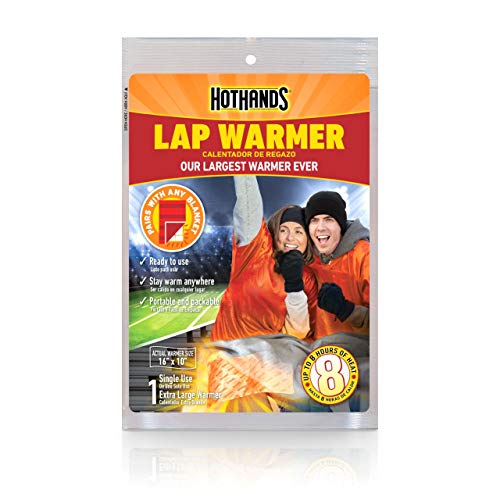
In addition to your clothing, you can supplement your warmth with a few key items. A safe winter camping heater for your tent (ensure proper ventilation) or a butane heater for a common area can make a huge difference. A thermos of winter hot drinks can warm you from the inside out. Understanding how to melt snow for water is a critical skill, as natural water sources will be frozen. To learn more about essential cold-weather gear, see our dedicated guide on winter camping gear.
Winter Safety and Essential Snow Skills
The margin for error in winter is much smaller. A solid understanding of safety protocols and essential skills is what separates a miserable experience from a magical one. Always prioritize safety and be prepared to turn back if conditions deteriorate.
Critical Safety Knowledge
Before you go, always check the winter weather alerts and camping weather alerts. Understanding avalanche safety is non-negotiable if you're in mountainous terrain. Learn the signs of frostbite and hypothermia, and know how to prevent frostbite. A well-stocked winter emergency kit is essential. If you're camping near a frozen body of water, review frozen lake safety and ice fishing safety rules. For any winter trip, a robust first aid for camping kit is mandatory. Knowing how to use emergency SOS signals and having a reliable emergency communication plan, perhaps with a satellite communicator, is a wise precaution.
Essential Winter Skills
Practical skills are just as important as gear. You should know how to setup a tent on snow and use deadman anchors or snow stakes. Building a snow shelter can be a fun activity and a life-saving skill in an emergency. A winter campfire is more challenging to build but provides immense psychological comfort. Always follow campfire safety rules and know how to extinguish a campfire completely. Always adhere to Leave No Trace principles to preserve the fragile winter environment.
Incredible Winter Camping Destinations
The United States offers some of the most spectacular winter camping destinations in the world. For an unforgettable experience, consider exploring the best winter camping destinations in the US. You could plan a trip for winter camping in Yellowstone, with its geothermal wonders steaming in the cold air. Colorado offers world-class opportunities for winter camping in Colorado. For a truly wild adventure, consider snow camping in Alaska. And don't forget our neighbors to the north, with excellent options for winter camping in Canada. Each location has its own unique challenges and rewards, so research the specific area thoroughly before you go.
The Golden Rule of Winter Camping: Your safety is paramount. It is always better to retreat and camp another day than to push through dangerous conditions. Tell someone your plans, check the forecast obsessively, and trust your instincts.
Frequently Asked Questions About Winter Camping
What is the most important piece of winter camping gear?
While a winter-rated sleeping bag and a high-R-value sleeping pad are critical, the most important "gear" is your knowledge and preparation. No single piece of equipment can substitute for understanding weather, layering, and safety. However, if we must choose a single item, a well-rated sleeping pad is often the most overlooked yet critical component, as it prevents heat loss to the frozen ground.
How do I stay warm in a tent during winter?
Staying warm is a system. Start with a high-R-value pad and a winter sleeping bag. Wear a clean, dry base layer to bed. Use a hot water bottle in your bag. Ensure your tent is well-ventilated to prevent condensation, which can dampen your gear. You can also use a safe, properly ventilated tent heater, but always follow the manufacturer's safety instructions. Read our full guide on how to stay warm in winter for more details.
Can I use a summer tent for winter camping?
It is strongly not recommended. Summer tents are designed for ventilation, not heat retention or snow load. They often have large mesh panels that let cold air in and allow heat to escape. They may also collapse under the weight of snow. For safety and comfort, invest in a proper 4-season or winter tent. A 3-season tent might work for very mild winter conditions in sheltered areas, but it's a risk.
What should I do if I get wet while winter camping?
Getting wet is a primary cause of hypothermia. The moment you notice you're wet, you must take action. Get out of the wind, remove wet clothing immediately, and replace it with dry layers. Get into your sleeping bag to warm up. Boil water for a hot drink. If you have a fire, use it to dry your clothes. Prevention is key: manage your sweat by venting layers and wearing moisture-wicking fabrics.