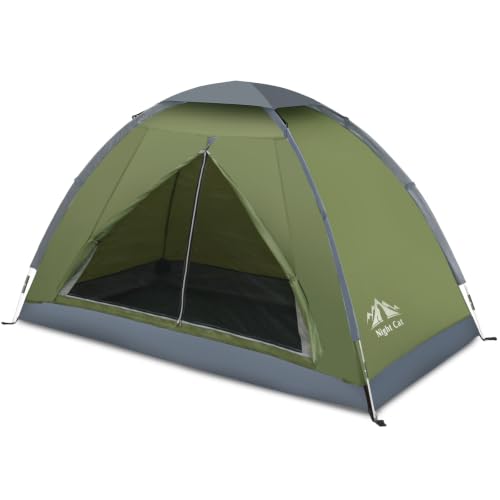
Compact Tent for Motorcycle Camping: The Ultimate Buyer's Guide
Discover how to choose the perfect lightweight, packable tent for your moto adventures. Expert insights on packed size, weight, durability, and setup speed.
START YOUR RESEARCHWhy a Motorcycle-Specific Tent Matters: Motorcycle camping combines the freedom of the open road with the serenity of the wilderness. Unlike car camping, where space is abundant, your motorcycle's limited luggage capacity demands gear that is compact, lightweight, and quick to deploy after a long day of riding. This guide will walk you through everything you need to know before choosing your perfect home on the road.
Why You Need a Tent Designed for Motorcycle Camping
When you are touring on a motorcycle, every cubic inch of storage space is precious. Your tent must compete for room with riding gear, clothing, tools, and cooking equipment. A standard family camping tent, with its long pole segments and bulky carry bag, simply will not work. A compact tent for motorcycle camping is engineered from the ground up to solve these unique challenges.
The key differences come down to packed size, weight, and setup efficiency. Tents designed for moto touring typically use shorter pole segments (often 12 to 16 inches when folded) so they can slide into a pannier or top box. They also prioritize lightweight fabrics and minimalist designs to reduce fatigue and preserve your bike's handling. Furthermore, after hours on the road, you want a shelter that goes up in minutes, not one that requires a complex assembly process.
Another critical factor is freestanding capability. Many motorcycle campsites, from established campgrounds to dispersed spots in national forests, can have hard-packed or rocky ground where stakes are difficult to drive. A freestanding tent holds its shape without stakes, giving you flexibility in where you pitch. For riders who venture into more rugged terrain, a lightest freestanding 1-person tent can be a game-changer for solo trips.
Key Features to Evaluate Before You Buy
Not all compact tents are created equal. When comparing models, focus on these critical attributes to ensure you make the right choice for your riding style and budget.
Packed Size and Weight
This is the single most important consideration for motorcycle camping. Look for a tent that packs down to a cylinder roughly 18-22 inches long and 5-7 inches in diameter. This size fits comfortably into most motorcycle panniers or a duffel bag strapped to the rear seat. Weight is also paramount; every pound you add affects your bike's performance and your energy levels. A reasonable target for a solo tent is under 5 pounds, while premium models can be significantly lighter.
Sleeping Capacity
For solo riders, a 1-person tent is the most compact option. However, many experienced moto campers prefer a 2-person tent for the extra room to store their riding gear, helmet, and boots inside the tent, keeping them dry and secure. A single-person tent for backpacking often shares the same design philosophy as moto tents, prioritizing low weight and small packed size. If you ride with a partner, a lightweight family backpacking tent or a dedicated 2-person model is the way to go.
Setup Speed and Simplicity
After a long day of riding, the last thing you want is a complicated tent. Look for designs with color-coded poles, intuitive clip systems, and clear instructions. Some tents feature a single-pole or hubbed design that can be pitched in under two minutes. If you frequently camp in the rain, a tent with a quick and simple setup is even more critical, as discussed in guides on how to set up a tent in the rain.
Weather Resistance and Durability
Your tent is your primary shelter against the elements. A waterproof rainfly with a high hydrostatic head rating (measured in millimeters) is essential. Taped seams and a durable floor are also important. For riders who extend their season into cooler months, a tent with a lower mesh content and a solid inner tent can help retain heat, aligning with principles found in cold weather camping gear checklists.
Comparing Tent Tiers for Motorcycle Camping
The market offers a range of options at different quality and performance tiers. The table below outlines what you can generally expect at each level, helping you align your expectations with your budget and needs.
| Tier | Typical Weight | Packed Size | Materials & Durability | Best For |
|---|---|---|---|---|
| Entry-Level | 5–7 lbs | Moderate; may use longer poles | Standard polyester, basic waterproofing | Occasional riders, fair-weather campers |
| Mid-Range | 3.5–5 lbs | Compact; shorter pole segments | Ripstop fabrics, better coatings, taped seams | Regular touring, varied conditions |
| Premium | 2.5–3.5 lbs | Very compact; fits most panniers | High-tenacity fabrics, silnylon/silpoly, DAC poles | Frequent tourers, long-distance riders |
| Luxury | Under 2.5 lbs | Ultra-compact; specialized designs | Exotic materials (Dyneema), extreme engineering | Weight-obsessed ultralight purists |
As you move up the tiers, you are investing in lighter weight, smaller packed size, and greater durability. A mid-range tent often represents the best balance for most motorcycle campers, offering a significant upgrade over entry-level without the premium cost of ultralight exotics.
Pros and Cons of Compact Motorcycle Tents
✔️ Advantages
- Fits easily into motorcycle luggage
- Reduces overall gear weight
- Fast setup saves energy after riding
- Often freestanding for flexible pitching
- Encourages minimalist packing discipline
❌ Limitations
- Less living space than car camping tents
- Premium models can be a significant investment
- Ultralight fabrics require careful handling
- May not accommodate taller riders comfortably
- Limited room for bulky gear inside
For most riders, the advantages far outweigh the limitations. The freedom to camp anywhere your bike can take you is a powerful draw. If you are new to this style of travel, resources like essential equipment for backpacking can offer complementary advice on lightweight gear selection, as the principles overlap significantly.
Solo vs. Two-Up Riding: Tent Considerations
Your choice of tent is heavily influenced by whether you ride alone or with a passenger.
For Solo Riders
A 1-person or a compact 2-person tent is ideal. A 1-person tent is the lightest and smallest option, but a 2-person tent provides valuable extra space for gear and allows you to sit up comfortably. Models like the single-person tents for backpacking are excellent starting points for research. If you plan to camp in colder conditions, consider a tent that can handle a bit more weather, similar to what is discussed in winter camping guides.
For Two-Up Riding
You will need a true 2-person or 3-person tent. Prioritize a design with two doors and two vestibules to avoid climbing over each other. The packed size will be larger, so you will need to plan your luggage strategy carefully. A lightweight two-person sleeping bag can help save space, and a lightweight family backpacking tent might be a good option if you want a bit more room. For couples, the principles of camping vs glamping can help you decide on the level of comfort you desire.
Essential Accessories for Motorcycle Camping
Your tent is the centerpiece, but a few key accessories will make your moto camping experience far more enjoyable and safe.
- Footprint or Groundsheet: Protects your tent floor from abrasion and moisture. Many tent manufacturers sell custom footprints, or you can use a piece of Tyvek.
- Extra Stakes and Guy Lines: The stakes included with tents are often minimal. Carry a few extra lightweight stakes and some reflective guy line for windy conditions.
- Compact Sleeping Pad: A good night's sleep is crucial. Look for a pad with a small packed size. Options like a self-inflating backpacking mattress or an ultralight backpacking sleeping pad are excellent choices.
- Sleeping Bag: Choose a bag rated for the temperatures you expect. A top-rated lightweight sleeping bag or a sleeping bag for motorcycle camping is a worthwhile investment.
- Camp Pillow: A small luxury that greatly improves sleep quality. A most comfortable backpacking pillow is a popular choice.
- Headlamp or Lantern: Hands-free lighting is essential for setting up camp in the dark. A battery-operated lantern with timer can be a great addition.
- First Aid Kit: Always carry a basic kit. Be prepared for common camping injuries and know first aid for camping basics.
Practical Tips for Your First Moto Camping Trip
Preparation is the key to a successful adventure. Here are some tips to get you started on the right foot.
- Practice Pitching Your Tent at Home: Do this at least once before your trip. Familiarize yourself with the process so you can do it quickly and confidently, even in low light or bad weather.
- Pack Strategically: Distribute weight evenly across your bike. Keep heavy items low and centered. Your tent is often best placed in a top box or strapped to the rear seat.
- Choose Your Campsite Wisely: Look for level, durable surfaces. Avoid camping under dead trees or in low spots that could flood. If you are new to finding campsites, resources on campground vs wild camping can help.
- Follow Leave No Trace Principles: Minimize your impact on the environment. Pack out all your trash, respect wildlife, and be considerate of other campers. Learn more at Leave No Trace Principles.
- Be Prepared for Weather: Check the forecast and be ready for changes. Know what to do if lost and have a way to get camping weather alerts.
Frequently Asked Questions
For solo riders, a 1-person or compact 2-person tent is ideal. A 2-person tent offers extra space for gear without adding significant weight or packed size, making it a versatile choice for motorcycle touring.
Yes, but a tent specifically designed for motorcycle camping is better. These tents prioritize a compact packed size, lightweight materials, and often feature shorter pole segments to fit into motorcycle luggage like panniers or a top box.
A good target weight for a solo motorcycle camping tent is under 5 pounds (2.3 kg). Premium ultralight models can weigh as little as 2-3 pounds, while more affordable or spacious options may be slightly heavier.
While not strictly necessary, a freestanding tent is highly recommended. It is much easier to set up on hard or rocky ground, which you may encounter at some campsites, and does not require staking out to hold its shape.
Ready to Find Your Perfect Motorcycle Tent?
Explore our curated selection of top-rated compact tents and gear below. Start your next adventure with confidence.
VIEW RECOMMENDED GEAR