Scout Camping: The Ultimate Guide to Preparing Your Troop
Equip your scouts with the right knowledge and gear for a memorable, safe, and skill-building outdoor adventure. From patrol cooking to setting up a campsite, we cover everything you need to know.
Explore the GuideThe Scout Motto: Be Prepared. This guide is designed to help scout leaders and parents ensure their troop is ready for anything the wilderness throws at them. We focus on durable, practical gear and time-tested techniques that build character and confidence.
The Philosophy of Scout Camping: More Than Just a Trip
Scout camping is a foundational experience that goes beyond simple outdoor recreation. It's a hands-on classroom for developing leadership, teamwork, and self-reliance. Unlike a casual family camping trip, a scout outing is a structured adventure where young people learn to plan, execute, and problem-solve as a unit. The focus is on building skills that last a lifetime, from pitching a tent in a downpour to navigating with a map and compass.
The core of this experience is the patrol method. Scouts are organized into small groups (patrols), each responsible for their own campsite, meals, and activities. This fosters a sense of ownership and accountability. A patrol might be tasked with setting up a camp shelter or a communal area using a camping canopy. This structure encourages every scout to contribute, learn, and lead. The goal is not just to survive, but to thrive in the outdoors, building confidence with every knot tied and every meal cooked over a fire.
Choosing the Right Gear for Scout Camping
Selecting the right equipment is critical for a successful scout camping trip. Gear must be durable enough to withstand the enthusiasm of youth, simple enough for beginners to use, and reliable in unpredictable weather. The goal is to find a balance between performance and value, often looking for mid-range options that offer excellent durability without being overly complex or fragile.
Tents and Shelter: A Scout's Home Base
A reliable tent is the most important piece of gear. For scout groups, versatility is key. You'll need everything from lightweight backpacking tents for high-adventure treks to spacious 6-person tents for base camp. Look for models with sturdy poles (aluminum is better than fiberglass), a robust rain fly that covers the entire tent, and a durable floor. Easy setup is a major plus, especially for younger scouts. A simple instant cabin tent can be a great choice for new troops, while more experienced scouts might prefer a traditional dome tent. For camps that need a central gathering point, a large 10x20 pop-up canopy tent or a dining fly can provide essential shade and rain protection. A camping tarp is also an incredibly versatile item for creating extra shade or a windbreak.
Sleeping Systems: Ensuring a Good Night's Rest
A good night's sleep is crucial for energy and morale. A scout's sleeping system needs to be warm, comfortable, and durable. A sleeping suit or a quality sleeping bag rated for the expected temperature is essential. Don't forget a sleeping pad—it provides insulation from the cold ground and cushioning for comfort. For those who prefer an off-the-ground option, a portable cot can be a game-changer, offering superior comfort and insulation. When it comes to sleeping bags, a temperature guide is an invaluable resource. For cold-weather campouts, a winter sleeping bag is a must.
Cooking and Kitchen: The Heart of the Patrol
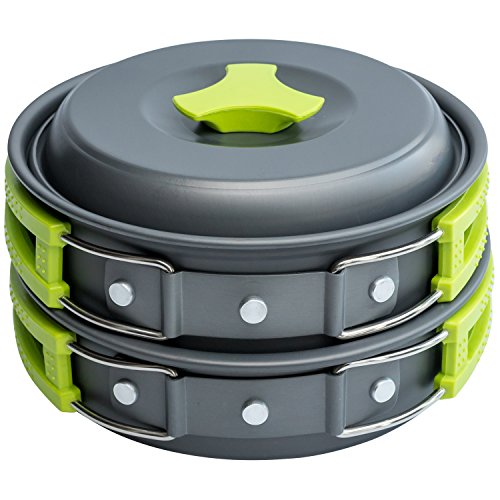
Patrol cooking is a cornerstone of the scouting experience. It teaches teamwork, planning, and practical skills. The classic chuck box is a fantastic way to organize a patrol's kitchen. It holds utensils, spices, and cooking tools neatly. For cooking, a reliable camping stove is essential, especially when fire bans are in effect. While open fires are traditional, having a backup stove is a safety must. A camping cookware set that nests together saves space. Don't forget a camping kettle for hot drinks on chilly mornings and a camping cooler to keep perishable food safe. A camping bar or a sturdy camping table can serve as a prep area.
Lighting and Power: Illuminating the Campsite
Reliable lighting is non-negotiable for safety and convenience. Each scout should have a personal headlamp, and each patrol should have a powerful camping lantern to light up the main area. A camping light with a rechargeable battery is a great eco-friendly and cost-effective option. For powering devices, a camping power bank or a portable power station can be very useful for charging phones, GPS devices, or running small electronics. A solar charger is an excellent sustainable choice for longer trips.
Essential Skills for Every Scout
Gear is important, but skills are what truly define a successful scout camping trip. These are the core competencies that every scout should practice and master.
- Campsite Selection & Setup: Learning to choose a safe, level spot away from hazards like dead trees or flash flood zones. Setting up a tent on a slope or a tent on a platform are advanced skills to practice.
- Knot Tying: Mastery of basic knots (square knot, clove hitch, taut-line hitch) is essential for securing tarps, lashing projects, and setting up hammocks.
- Fire Safety & Building: Understanding campfire safety rules, how to build a fire in various conditions, and how to properly extinguish a campfire is paramount. Always check for a fire ban.
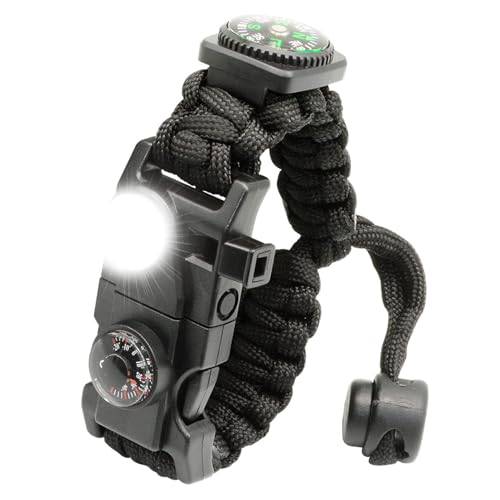
- Navigation: Using a map and compass is a classic scout skill. Modern tools like a handheld GPS or navigation apps are great, but the fundamentals of traditional navigation build confidence.
- First Aid: Every scout should know the basics of wilderness first aid, how to treat common camping injuries, and how to use emergency SOS signals.
Safety and Emergency Preparedness
The safety of the troop is the number one priority. A well-prepared group is a safe group. Before any trip, leaders should review a comprehensive emergency preparedness plan with all participants and parents.
Key safety considerations include:
- Weather Awareness: Monitor weather alerts and have a plan for severe weather, including lightning and flash floods.
- Wildlife Safety: Proper food storage is crucial to avoid attracting animals. Knowing what to do in a wildlife encounter is essential.
- Communication: Carry a satellite communicator or a two-way radio for emergencies in areas without cell service. Know what to do if you get lost.
- Leave No Trace: Instill the principles of Leave No Trace in every scout. This ensures the outdoors remain pristine for future generations.
For more detailed information on specific safety topics, our Camping FAQ section is a great resource for leaders and parents.
Building Confidence and Character, One Campout at a Time
Scout camping is more than just an activity; it's a journey of personal growth. It teaches young people how to face challenges, work as a team, and appreciate the natural world. By focusing on the right gear, essential skills, and a strong commitment to safety, you can ensure that every scout under your guidance has a transformative and empowering experience. Whether it's a weekend trip to a local state campground or a week-long adventure in Montana wilderness, the lessons learned around the campfire will last a lifetime.