Collapsible Hammocks Guide: Portable Comfort for Every Adventure
Collapsible hammocks have revolutionized the way we rest outdoors. Whether you're a backpacker counting every ounce, a car camper looking for comfort, or someone who simply enjoys lounging in the backyard, a collapsible hammock offers a perfect blend of portability and relaxation. These hammocks fold, compress, or roll into compact packages that fit easily into a backpack or car trunk. In this guide, we'll explore the different types of collapsible hammocks, key features to consider, and how to choose the right one for your needs.
Why Choose a Collapsible Hammock?
The appeal of a collapsible hammock lies in its convenience. Unlike traditional hammocks that require permanent mounting points or bulky stands, collapsible models are designed for mobility. They pack down small, set up quickly, and can be used almost anywhere. For campers, this means you can enjoy a comfortable place to relax after a long hike without carrying heavy gear. For travelers, a collapsible hammock is a lightweight alternative to a tent, ideal for warm climates and solo adventures.
Another advantage is versatility. Many collapsible hammocks come with integrated features like bug nets, rain flies, and suspension systems, transforming them into complete sleeping systems. This makes them an excellent choice for camping trips where space and weight are at a premium. Whether you're relaxing by a lake or sleeping under the stars, a collapsible hammock delivers comfort and convenience in one compact package.
Types of Collapsible Hammocks
Fabric Hammocks with Stuff Sack
These are the most common type of collapsible hammocks. Made from lightweight nylon or polyester, they fold into an attached stuff sack that doubles as a pocket. They are extremely portable, often weighing less than a pound, and are ideal for backpacking and travel. Most come with tree straps or whoopie slings for easy hanging. While they offer excellent portability, they require trees or other anchor points for setup.
Hammocks with Integrated Stand
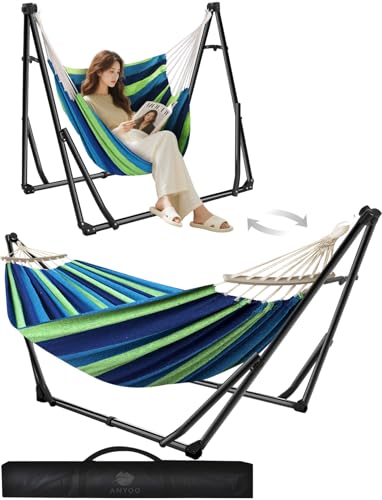
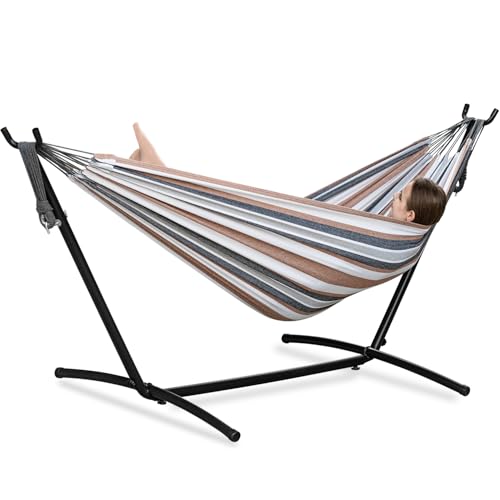
These hammocks feature a collapsible frame that assembles into a freestanding stand. They are perfect for locations without trees, such as beaches, deserts, or open fields. The stand folds into a compact carrying bag, making transport easy. While heavier than fabric-only hammocks, they offer greater versatility. This type is similar in concept to a portable hammock but with the added convenience of a self-contained stand.
Camping Hammocks with Bug Net and Rain Fly
Designed for overnight camping, these hammocks include an integrated bug net and a rain fly. They offer protection from insects and weather, making them a viable alternative to a tent. Many models feature a flat lay design for comfortable sleeping and come with suspension systems that are easy to adjust. For those who want a complete sleep system, a camping hammock is an excellent choice. Explore our guide to hammocks that can be used as a tent for more information.
Chair Hammocks
These hybrid hammocks can be used as both a hammock and a chair. They typically feature a spreader bar and a reclining design, allowing you to sit upright or lay flat. Chair hammocks are great for lounging at the campsite or relaxing by the water. They are less portable than fabric hammocks but offer more versatility in how you use them. Similar in function to a travel chair, they provide comfort and support in a compact package.
Key Features to Consider When Buying a Collapsible Hammock
Weight and Packed Size
For backpackers, weight and packed size are critical. Ultralight collapsible hammocks can weigh as little as 8 to 12 ounces and pack down to the size of a grapefruit. If you're car camping or using the hammock in a fixed location, weight is less of a concern. Consider how you plan to use the hammock and choose a model that balances portability with durability. For more lightweight gear options, see our guide to light backpacking.
Material and Durability
Most collapsible hammocks are made from parachute nylon, which is lightweight, strong, and quick-drying. Some premium models use ripstop nylon or polyester for added durability. The suspension system is equally important—look for high-quality tree straps or whoopie slings made from strong, low-stretch materials. Check the weight capacity and ensure it meets your needs.
Comfort and Design
Comfort is subjective, but a few factors matter. A flat lay design allows you to sleep diagonally, reducing the "banana" effect of traditional hammocks. Integrated bug nets and rain flies add comfort and protection. Some hammocks come with a built-in pillow or a pocket for storage. If you plan to sleep overnight, consider a hammock with a longer length and wider width for maximum comfort. For more on sleeping comfort, see our guide to the most comfortable way to sleep in a tent.
Ease of Setup
Collapsible hammocks vary in setup complexity. Simple fabric hammocks with tree straps can be set up in under a minute. Hammocks with integrated stands may take a few minutes to assemble. Look for models with clear instructions and intuitive suspension systems. If you're new to hammock camping, practice setting up your hammock at home before your trip.
Weather Protection
If you plan to use your hammock in wet or cold conditions, consider a model with a rain fly and an underquilt. A rain fly keeps you dry during rain, while an underquilt provides insulation beneath you. Some hammocks come with these accessories included; others require separate purchase. For cold-weather hammock camping, explore our guide to hammock underquilts.
Benefits of Using a Collapsible Hammock
Collapsible hammocks offer numerous benefits for outdoor enthusiasts. First, they are incredibly portable. Unlike tents, which require poles, stakes, and a large footprint, a collapsible hammock packs into a small bag and can be carried anywhere. Second, they are comfortable. The gentle rocking motion of a hammock promotes relaxation and can even improve sleep quality. Third, they are versatile. You can use a collapsible hammock for lounging, napping, or full overnight sleeping.
Another benefit is the minimal impact on the environment. Hammocks don't require clearing ground or disturbing vegetation, making them a low-impact camping option. When used with tree-friendly straps, they protect the bark and leave no trace. This aligns with the principles of Leave No Trace camping. Whether you're a seasoned backpacker or a casual camper, a collapsible hammock is a valuable addition to your gear collection.
Tips for Buying and Using a Collapsible Hammock
- Check the weight capacity: Always verify that the hammock can support your weight. Exceeding the limit can lead to failure and injury.
- Use tree-friendly straps: Wide straps distribute weight and protect tree bark. Avoid ropes or chains that can damage trees.
- Practice setup: Before your trip, practice setting up your hammock. Familiarize yourself with the suspension system and adjust the hang angle for comfort.
- Insulate for cold weather: Hammocks can be cold because air circulates beneath you. Use an underquilt or sleeping pad for insulation.
- Protect from rain: If camping in wet conditions, use a rain fly or tarp to keep your hammock dry. Our guide to waterproof tarps can help you choose the right cover.
- Store properly: Clean and dry your hammock before storing it. Store it loosely in a cool, dry place to prevent damage.
Frequently Asked Questions About Collapsible Hammocks
What is a collapsible hammock?
A collapsible hammock is a portable hammock that folds or compresses into a compact size for easy transport and storage. Many models come with a built-in stand that collapses, while others are made from lightweight fabric that packs into a small stuff sack.
Are collapsible hammocks comfortable for sleeping?
Yes, many collapsible hammocks are designed for overnight sleeping. Look for models with a flat lay design, integrated bug net, and rain fly for the best camping experience. Using an underquilt or sleeping pad adds warmth and comfort in colder conditions.
How much weight can a collapsible hammock hold?
Weight capacity varies by model. Entry-level hammocks typically support around 200 to 250 pounds, while mid-range and premium models can hold 300 to 500 pounds or more. Always check the manufacturer's specifications before use.
Do I need a hammock stand for camping?
Not necessarily. Many collapsible hammocks use tree straps or suspension systems to hang between trees. However, a hammock stand is useful in areas without suitable trees, such as beaches, deserts, or campgrounds with limited vegetation.
Final Thoughts: Rest Easy with a Collapsible Hammock
A collapsible hammock is a versatile, portable, and comfortable addition to any outdoor gear collection. Whether you're backpacking through the wilderness, car camping with family, or simply relaxing in your backyard, a collapsible hammock offers a convenient way to rest and recharge. By understanding the different types, key features, and maintenance tips, you can choose a hammock that meets your needs and provides years of reliable use. Explore our recommended options below and start planning your next adventure in comfort. For more on hammock camping, see our guides to netting hammocks and strap hammocks.