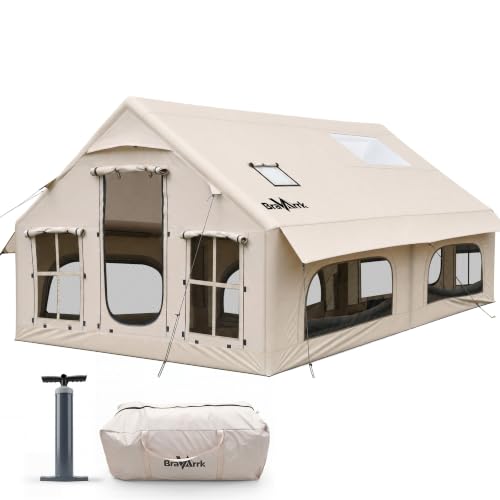
Inflatable Tents for Camping: The Ultimate Buyer's Guide
Discover why inflatable tents are revolutionizing camping with effortless setup, superior stability, and innovative air beam technology. Your perfect home away from home awaits.
Why Inflatable Tents? Forget wrestling with poles and confusing instructions. Inflatable tents use air beams that pump up in minutes, offering a spacious, sturdy shelter that's perfect for families, beginners, and anyone who values their time outdoors. This guide will walk you through everything you need to know to make an informed decision.
What Are Inflatable Tents and How Do They Work?
Inflatable tents, also known as air beam tents, represent a significant shift in camping technology. Instead of traditional metal or fiberglass poles, these tents rely on structural air beams—tubes of durable, airtight fabric that are inflated using a manual pump or an electric pump. Once inflated, these beams become rigid and provide the tent's shape and stability.
The concept is simple yet ingenious. The air beams are typically made from strong materials like polyester or nylon, coated with TPU (thermoplastic polyurethane) or PVC for airtightness and durability. Many modern models feature a single inflation point, meaning you can pump up the entire tent through one valve, saving you considerable time and effort. This makes them an excellent choice for first-time campers or anyone looking to simplify their campsite setup.
When choosing an inflatable tent, consider the number of people it needs to accommodate. You can find everything from a compact tent for 4 people to a spacious 6-person tent you can stand up in, ensuring there's a model for every group size. For those who love the convenience of a pop-up design but want the durability of an inflatable structure, these tents offer the best of both worlds.
Key Factors to Consider When Choosing an Inflatable Tent
Capacity & Size
Inflatable tents range from solo models to massive family tents. Consider how many people will sleep in it and whether you need space for gear. A general rule is to add one person to the stated capacity for comfortable living space.
Air Beam Technology
Look for tents with durable, multi-layer air beams. Some use a single-point inflation system for convenience, while others have multiple valves for redundancy. The quality of the beams directly impacts stability and wind resistance.
Weather Resistance
Check the hydrostatic head rating for waterproofing (measured in mm). A higher rating means better rain protection. Also, consider UV resistance and wind stability, especially if you camp in exposed areas.
Setup & Inflation
Most inflatable tents come with a manual pump, but you can often upgrade to an electric pump for faster inflation. Look for models with clear instructions and a simple valve system. Some tents can be fully inflated in under five minutes.
Packed Size & Weight
While inflatable tents are generally bulkier and heavier than their pole counterparts, they are still manageable for car camping. If you plan to hike, consider an ultra-lightweight backpacking tent instead.
Durability & Materials
High-quality inflatable tents use ripstop polyester or nylon with reinforced seams. The air beams should be puncture-resistant. Look for models with a good warranty and positive reviews regarding longevity.
Pros and Cons of Inflatable Tents
Advantages
- Extremely fast and easy setup—often under 5 minutes
- No poles to lose, break, or struggle with
- Stable in wind due to flexible air beams
- Spacious interiors with vertical walls
- Ideal for families, beginners, and car campers
- Some models can be inflated with a single pump
Disadvantages
- Heavier and bulkier than traditional pole tents
- Requires a pump (manual or electric) to inflate
- Risk of puncture or air leak over time
- Higher upfront cost for premium models
- Not ideal for backpacking due to weight
- Can be noisy in strong winds if not properly guyed
Inflatable Tents vs. Traditional Pole Tents
| Feature | Inflatable Tents | Traditional Pole Tents |
|---|---|---|
| Setup Time | Very fast (2–5 minutes) | Moderate to slow (5–15 minutes) |
| Weight | Heavier | Lighter |
| Packed Size | Larger | More compact |
| Stability in Wind | Excellent (flexible beams) | Good (rigid poles) |
| Durability | Good (puncture risk) | Excellent (if quality poles) |
| Best For | Car camping, families, beginners | Backpacking, long expeditions |
How to Set Up an Inflatable Tent: A Step-by-Step Guide
Setting up an inflatable tent is remarkably straightforward. Here's a general process that applies to most models:
- Choose a Flat, Clear Area: Remove rocks, twigs, and debris. Lay out the tent footprint or use a groundsheet to protect the base.
- Unfold and Position: Spread the tent out flat, ensuring the doors face your desired direction.
- Connect the Pump: Attach the pump hose to the inflation valve. Most tents have a single valve for all beams.
- Inflate the Beams: Pump until the beams feel firm. Do not over-inflate; follow the manufacturer's guidelines. The tent will rise and take shape.
- Secure the Tent: Stake out the corners and guy lines. This is crucial for stability in wind.
- Add the Rainfly: If your tent has a separate rainfly, attach it and secure it.
- Final Adjustments: Ensure all zippers work, vents are open as needed, and the tent is taut.
For more tips on dealing with different conditions, see our guides on setting up a tent in the rain and setting up a tent on the beach.
Who Should Buy an Inflatable Tent?
Inflatable tents are particularly well-suited for:
- Families: The spacious interiors and easy setup make them perfect for family camping trips. Look for a 6-person instant cabin tent with awning for extra living space.
- Beginners: If you're new to camping, an inflatable tent eliminates the frustration of pole assembly. Check out our first-time camping tips.
- Car Campers: Since weight and packed size are less critical when car camping, the bulk of an inflatable tent is a non-issue.
- Glampers: Many inflatable tents offer luxurious features like blackout rooms and built-in LED lighting. Explore our glamping guide for more inspiration.
- Weekend Warriors: If you camp frequently for short trips, the time saved on setup and takedown is a major advantage.
However, if you're a backpacker or prefer ultra-light gear, a traditional pole tent or an ultra-lightweight backpacking tent may be a better fit.
Maintenance and Care for Longevity
To ensure your inflatable tent lasts for many seasons, follow these care tips:
- Clean Before Storing: Always clean and thoroughly dry your tent before packing it away. Mildew can damage the fabric and air beams.
- Avoid Sharp Objects: Be mindful of rocks, branches, and even your keys. Use a groundsheet to protect the floor.
- Proper Inflation: Don't over-inflate. Heat can cause air to expand, so on hot days, slightly under-inflate.
- Store Correctly: Store your tent loosely in a cool, dry place. Avoid compressing it tightly for extended periods.
- Repair Kits: Keep a repair kit handy for minor punctures. Most inflatable tents come with a patch kit.
For more general advice, see our article on how long do tents last.
Frequently Asked Questions About Inflatable Tents
Yes, modern inflatable tents are very durable. The air beams are made from robust materials like TPU-coated polyester, which is puncture-resistant. With proper care, they can last as long as traditional pole tents. However, they are more susceptible to punctures from sharp objects, so using a groundsheet is essential.
Absolutely. In fact, many campers find them more stable in wind than pole tents because the air beams flex slightly rather than snapping. The key is to properly stake out all guy lines and ensure the tent is taut. Always check weather forecasts and avoid camping in extreme winds.
Most inflatable tents come with a repair kit containing patches and glue. Clean the area around the puncture, apply the patch, and let it cure. For larger tears, you may need a professional repair. Always carry a repair kit when camping.
Yes, many manufacturers offer electric pumps as accessories or compatible options. You can also use a universal electric pump if it fits the valve. Just be careful not to over-inflate; electric pumps can be powerful.
Some inflatable tents are designed for four-season use and can handle snow loads. However, you need to ensure the tent is rated for winter conditions. Check our guide on winter tents for more information. Always clear snow from the roof to prevent sagging.
Final Thoughts: Is an Inflatable Tent Right for You?
Inflatable tents have come a long way and are now a viable, often superior, choice for many campers. If you value quick setup, spacious interiors, and don't mind a bit of extra weight, an inflatable tent could be your perfect match. They are particularly ideal for families, car campers, and anyone who wants to spend less time setting up and more time enjoying the outdoors.
Before you buy, consider your camping style, the number of people, and the conditions you'll likely face. With the right inflatable tent, you'll wonder why you ever struggled with poles. Explore our recommended products below to find your ideal inflatable tent and start your next adventure with ease.