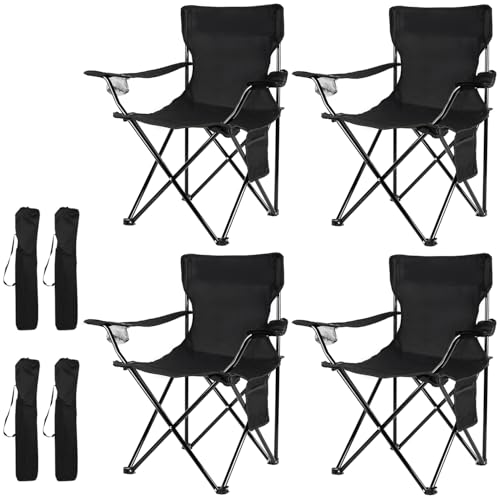
Foldable Chairs for Camping: The Complete Buyer's Guide
Discover how to choose the perfect portable chair for comfort, durability, and convenience on your next outdoor adventure.
START EXPLORINGA foldable chair is one of those camping essentials that can make or break your outdoor experience. After a long day of hiking, fishing, or exploring, having a comfortable place to sit and relax is invaluable. But with so many options on the market—from ultralight backpacking stools to heavy-duty recliners with cup holders—choosing the right one can feel overwhelming.
This comprehensive guide will walk you through everything you need to know about foldable chairs for camping. We'll cover the different types, key features to look for, materials, weight considerations, and practical tips to help you make an informed decision. Whether you're a solo backpacker, a family camper, or someone who enjoys glamping, you'll find the information you need to select the perfect chair for your needs.
For those who want to explore a broader range of portable seating options, you can also check out our guide to fold chairs for more general information.
Table of Contents
Types of Foldable Camping Chairs
Not all camping chairs are created equal. The type you choose will depend largely on your camping style, how much weight you're willing to carry, and the level of comfort you desire. Here are the most common types of foldable chairs for camping:
1. Traditional Folding Camp Chairs
These are the classic chairs you see at campsites everywhere. They typically feature a simple X-frame design that folds flat for storage and transport. Traditional folding chairs are generally budget-friendly and mid-range in terms of quality, making them accessible to most campers. They offer a good balance of comfort and portability, though they tend to be bulkier than some ultralight options.
These chairs usually come with a carry bag and are easy to set up and take down. They're ideal for car camping, tailgating, and family outings where weight isn't a primary concern. Many models include cup holders and side pockets for added convenience.
2. Backpacking and Ultralight Chairs
When every ounce counts, backpackers turn to ultralight chairs. These chairs are designed with lightweight materials like aluminum and ripstop nylon, and they often pack down to the size of a water bottle. The trade-off is usually comfort—ultralight chairs tend to have smaller seats, lower backrests, and less padding.
Within this category, you'll find entry-level options that are basic and affordable, as well as premium models that offer enhanced comfort and durability despite their low weight. If you're into backpacking, you might also be interested in our guide to ultra lightweight backpacking gear to complement your chair choice.
3. Reclining and Lounging Chairs
For those who prioritize relaxation, reclining camping chairs offer adjustable backrests that let you lean back and put your feet up. Some models even convert into loungers or cots. These chairs are typically heavier and bulkier, making them better suited for car camping or RV trips rather than backpacking.
Reclining chairs often fall into the mid-tier to high-end range, depending on the features and materials. They're a great choice for glamping or extended camping trips where comfort is key.
4. Heavy-Duty and Oversized Chairs
Campers who need extra support or simply want more room will appreciate heavy-duty and oversized chairs. These chairs are built with reinforced frames and higher weight capacities, often exceeding 300 pounds. They may include additional features like padded armrests, insulated cup holders, and storage pockets.
Heavy-duty chairs are generally top-tier in terms of construction and durability. They're ideal for larger individuals, families, or anyone who wants a chair that can withstand years of use. Keep in mind that these chairs are heavier and take up more space, so they're best for car camping or RV camping.
5. Specialized Chairs
Beyond the main categories, there are specialized foldable chairs designed for specific activities. These include:
- Rocking chairs: Feature curved legs that allow a gentle rocking motion.
- Swivel chairs: Rotate 360 degrees, great for fishing or socializing.
- Canopy chairs: Include a built-in sunshade for hot, sunny days.
- Stadium seats: Compact and portable, often with back support, ideal for events and camping by the beach.
Key Features to Consider
When evaluating foldable chairs for camping, several features can significantly impact your comfort and satisfaction. Here are the most important ones to consider:
Frame Design and Stability
The frame is the backbone of any camping chair. Common designs include the X-frame (simple and lightweight), the A-frame (more stable), and the cantilever frame (allows for a rocking motion). A stable frame is crucial, especially on uneven ground. Look for chairs with wide feet or mud guards to prevent sinking into soft terrain.
Seat and Backrest
The seat and backrest determine comfort. Consider the height of the backrest—higher backrests offer more support but may be heavier. Padded seats and backrests add comfort but also weight. Breathable mesh fabrics are excellent for hot weather, while quilted or fleece-lined options provide warmth in cooler conditions.
Armrests
Armrests can be a matter of personal preference. Padded armrests offer comfort, while flat armrests may include cup holders. Some chairs have adjustable or removable armrests. If you plan to sit for long periods, padded armrests are a worthwhile feature.
Weight Capacity
Always check the weight capacity of a camping chair before purchasing. Exceeding the limit can lead to frame failure and potential injury. Standard chairs typically support 250–300 pounds, while heavy-duty models can support 400 pounds or more. Choose a chair that comfortably exceeds your weight.
Portability and Packed Size
How small does the chair pack down? This is critical for backpackers and anyone with limited storage space. Look for chairs that fold into a compact carrying bag. Some ultralight chairs pack down to the size of a water bottle, while traditional chairs may be much bulkier.
Additional Features
Many camping chairs come with extra features that enhance convenience:
- Cup holders: Keep your drink secure and within reach.
- Side pockets: Store your phone, keys, or a book.
- Cooler bag: Some chairs have an integrated cooler for drinks and snacks.
- Footrests: Fold-out footrests add comfort for lounging.
- Canopy: A built-in sunshade protects you from the sun.
If you're looking for a chair that combines seating with a table, you might be interested in a folding chair with table, which can be a versatile addition to your camp setup.
Materials and Durability
The materials used in a camping chair determine its weight, durability, and weather resistance. Here's what to look for:
Frame Materials
- Aluminum: Lightweight, rust-resistant, and durable. Ideal for backpacking chairs. Aluminum frames are more expensive than steel but offer significant weight savings.
- Steel: Strong and durable but heavier than aluminum. Steel frames are common in traditional and heavy-duty chairs. They can rust if not properly coated, so look for powder-coated or stainless steel.
- Carbon fiber: Extremely lightweight and strong but very expensive. Found in premium ultralight chairs.
Fabric Materials
- Polyester: Durable, quick-drying, and resistant to UV damage. Common in most camping chairs.
- Nylon: Lightweight and strong, often used in ultralight chairs. Can be less abrasion-resistant than polyester.
- Mesh: Breathable and quick-drying, ideal for hot weather. Often used in combination with solid fabrics.
- Oxford cloth: A durable, water-resistant fabric often used in heavy-duty chairs.
- Ripstop nylon: Lightweight and resistant to tearing, commonly used in backpacking gear.
Durability Considerations
To ensure your chair lasts, look for reinforced stitching at stress points, durable powder-coated frames, and high-quality fabrics. A carrying bag with a shoulder strap also helps protect the chair during transport. Proper care, such as cleaning and storing in a dry place, will extend the life of your chair.
For more tips on maintaining your camping gear, you might find our article on how long do tents last helpful, as many of the same principles apply.
Weight and Portability
Weight is a critical factor, especially for backpackers. Camping chairs can range from under 1 pound to over 10 pounds. Here's a general breakdown:
- Ultralight (under 2 lbs): Best for backpacking and minimalist camping. Usually sacrifice comfort and features.
- Lightweight (2–5 lbs): A good compromise for car campers who want easy portability. Often feature compact designs.
- Standard (5–10 lbs): Typical for traditional camping chairs. Offer more comfort and features.
- Heavy-duty (10+ lbs): Best for car camping and RVing. Maximum comfort and durability.
When choosing, consider how far you'll be carrying the chair and whether you prioritize comfort or portability. For backpacking trips, every ounce counts, so an ultralight chair is worth the investment. For car camping, you can afford to bring a heavier, more comfortable chair.
If you're into backpacking, our guide to ultra lightweight backpacking tents can help you complete your lightweight setup.
Comfort and Support
Comfort is subjective, but there are several factors that contribute to a comfortable camping chair:
- Seat height: Lower seats are more stable but harder to get out of. Higher seats are easier to get in and out of but may be less stable on uneven ground.
- Seat width and depth: Wider and deeper seats offer more room but may be heavier. Consider your body size and whether you like to sit cross-legged.
- Backrest height: Higher backrests provide more support for your back and neck. Some chairs have adjustable or removable headrests.
- Padding: Padded seats and armrests add comfort but also weight and bulk.
- Ergonomics: Look for chairs with contoured seats and lumbar support for optimal comfort.
If you plan to spend long hours sitting, invest in a chair with good ergonomic design. A comfortable chair can make a big difference in your overall camping experience. For those who enjoy lounging, a reclining chair or a chair with a footrest may be worth considering.
Comparison Table: Types of Foldable Camping Chairs
The following table summarizes the key characteristics of different types of foldable camping chairs to help you compare at a glance:
| Type | Weight | Comfort | Portability | Best For | Typical Tier |
|---|---|---|---|---|---|
| Traditional Folding | 5–10 lbs | Moderate | Moderate | Car camping, families | Budget-friendly to Mid-range |
| Backpacking / Ultralight | Under 2 lbs | Basic | Excellent | Backpacking, hiking | Entry-level to Premium |
| Reclining / Lounging | 8–15 lbs | High | Low | Glamping, RV camping | Mid-tier to High-end |
| Heavy-Duty / Oversized | 10–20 lbs | High | Low | Large individuals, car camping | Top-tier |
| Specialized (Rocking, Swivel, Canopy) | Varies | Varies | Varies | Specific activities | Mid-range to Luxury |
Tips for Choosing and Using Foldable Camping Chairs
Here are some practical tips to help you get the most out of your foldable camping chair:
- Try before you buy: If possible, sit in the chair before purchasing. Online reviews can help, but nothing beats testing the comfort and stability yourself.
- Consider your camping style: A backpacker needs a different chair than a car camper. Be honest about how you'll use the chair most often.
- Check the weight capacity: Always choose a chair that supports more than your weight for safety and durability.
- Look for a carry bag: A carrying bag with a shoulder strap makes transport much easier.
- Protect your chair: Avoid leaving your chair in direct sunlight for extended periods, as UV rays can degrade the fabric. Store it in a dry place when not in use.
- Practice setting up: Familiarize yourself with how to set up and fold your chair before your trip, especially if it has a complex mechanism.
- Use on stable ground: To prevent tipping, set up your chair on flat, stable ground. If the ground is soft, consider using a chair with wide feet or placing a flat object under the legs.
- Clean regularly: Wipe down the frame and fabric after each trip to prevent dirt and moisture from causing damage.
For more tips on camping comfort, check out our article on the most comfortable way to sleep in a tent, which covers similar principles of prioritizing comfort in the outdoors.
Frequently Asked Questions
The best type depends on your needs. For backpacking, an ultralight chair is ideal. For car camping, a traditional or reclining chair offers more comfort. For larger individuals, a heavy-duty chair is the safest choice. Consider weight, comfort, and portability when deciding.
Weight capacities vary widely. Standard chairs typically support 250–300 pounds, while heavy-duty models can support 400 pounds or more. Always check the manufacturer's specified weight limit before purchasing.
Comfort depends on the chair's design and your personal preferences. Chairs with padded seats, higher backrests, and ergonomic support are generally more comfortable for extended sitting. Reclining chairs offer the highest level of comfort for lounging.
Yes, but stability can be an issue. Look for chairs with wide feet or mud guards to prevent sinking. Placing a flat object, such as a piece of wood or a flat stone, under the legs can also help distribute weight and improve stability.
Wipe down the frame with a damp cloth and mild soap. For fabric, use a soft brush or cloth to remove dirt. Allow the chair to dry completely before storing it in a dry place. Avoid using harsh chemicals or abrasive cleaners that could damage the materials.
Premium chairs often offer better materials, construction, and comfort. If you camp frequently or prioritize comfort and durability, a higher-tier chair can be a worthwhile investment. However, budget-friendly options can also serve occasional campers well. It ultimately depends on your usage and preferences.
Final Thoughts
Choosing the right foldable chair for camping is about balancing comfort, portability, durability, and your specific camping style. By understanding the different types, key features, and materials, you can make an informed decision that enhances your outdoor experience.
Whether you're lounging by the campfire, enjoying a meal at your campsite, or taking a break on the trail, a good camping chair is a small investment that pays off in comfort and relaxation. Take your time, read reviews, and consider your unique needs. Your future self—sitting comfortably under the stars—will thank you.
For more camping gear guides and outdoor tips, explore our other articles on camping and tents.