
Pop Up Camper on a Trailer: The Ultimate Guide to Compact Camping
Everything you need to know about pop up campers on trailers—from types and features to towing, setup, and maintenance. Perfect for adventurers seeking comfort without the bulk.
START EXPLORINGWhy Pop Up Campers? They combine the towability of a small trailer with the comfort of a camper, offering an affordable entry into RV camping. Lightweight, easy to store, and surprisingly spacious when deployed.
What Is a Pop Up Camper on a Trailer?
A pop up camper on a trailer—often called a folding camper or tent trailer—is a lightweight towable RV that collapses for travel and expands at the campsite. Its compact size makes it easy to tow with smaller vehicles, while the fold-out sections provide sleeping and living space that rivals larger trailers. Unlike traditional tents, pop up campers offer hard walls, a solid roof, and built-in amenities, blending the best of tent camping and RV comfort.
These campers are ideal for families, couples, and solo adventurers who want to explore remote camping sites without sacrificing basic conveniences. They are also a popular choice for those who want to avoid the high cost and fuel consumption of larger RVs. If you're considering a pop up camper, you'll want to understand the different types, features, and towing requirements before making a purchase.
Types of Pop Up Campers on Trailers
Pop up campers come in several configurations, each suited to different camping styles and budgets. Understanding these types will help you narrow down the best option for your needs.
1. Traditional Tent Trailers
The classic pop up camper features a hard roof that cranks up, with canvas or vinyl sides that fold out. They typically include two king or queen-size slide-out beds, a small dinette, and a basic kitchenette. These models are the lightest and most affordable, often falling into the entry-level or budget-friendly tier. They are perfect for weekend getaways and first-time camper owners.
2. High-Wall Pop Up Campers
High-wall models offer taller walls, allowing for more headroom and sometimes a larger refrigerator or oven. They are heavier than traditional tent trailers and may require a mid-size SUV or truck to tow. In terms of market positioning, they sit in the mid-range tier, offering a balance of comfort and towability. These are great for campers who want more interior space without moving up to a full-size travel trailer.
3. Off-Road Pop Up Campers
Built for rugged terrain, off-road pop up campers feature reinforced frames, larger tires, higher ground clearance, and heavy-duty suspension. They are designed for boondocking on BLM land or remote campsites. These models are typically premium or high-end due to their specialized construction. If you plan to venture far from paved roads, an off-road pop up is a worthy investment.
4. Toy Hauler Pop Up Campers
These models include a rear deck or ramp for hauling ATVs, dirt bikes, or other toys. The living area is usually at the front, and the cargo area doubles as additional sleeping space. Toy hauler pop ups are larger and heavier, often requiring a full-size truck or SUV. They appeal to adventure enthusiasts who want to bring their gear along.
Key Features to Look for in a Pop Up Camper
When shopping for a pop up camper on a trailer, pay attention to these features to ensure you get the most value and comfort for your camping style.
Sleeping Capacity
Most pop up campers sleep 4 to 8 people, depending on the number of slide-out beds and convertible dinettes. If you have a large family, look for models with multiple beds and a camping with kids checklist to plan accordingly. For couples, a two-bed model offers plenty of space and storage.
Kitchen and Dining
Nearly all pop up campers include a small kitchenette with a sink, stove, and sometimes a refrigerator. Higher-end models may feature a propane gas camping stove, oven, or outdoor grill. Consider how you plan to cook—if you prefer outdoor cooking, an external griddle flat top grill can complement the indoor kitchen.
Storage and Amenities
Look for ample storage cabinets, a portable toilet for camping, and an outdoor shower. Many pop up campers have a portable shower for camping hookup, which is a huge convenience. Also check for a portable fridge or cooler space, and a camping power bank to keep devices charged.
Heating and Cooling
For cold-weather camping, a winter camping heater or built-in furnace is essential. Some models come with air conditioning for summer comfort. If you plan to camp in extreme conditions, consider a winter camping gear upgrade to ensure your pop up is well-insulated.
Towing and Setting Up Your Pop Up Camper
Towing a pop up camper is generally easier than towing a large travel trailer, but it still requires preparation and the right vehicle.
Choosing a Tow Vehicle
Most pop up campers can be towed by mid-size SUVs, minivans, or even some sedans, depending on the weight. Check your vehicle's towing capacity and ensure you have a properly installed hitch and wiring harness. If you're new to towing, practice in an empty parking lot before hitting the road. For those considering a larger camper, explore small RV trailers for sale to compare options.
Setup at the Campsite
Setting up a pop up camper typically takes 15–30 minutes. Start by leveling the trailer with wheel chocks and stabilizer jacks. Then crank up the roof, pull out the slide-out beds, and secure the canvas. Connect water, electricity, and sewer if available. Always follow the manufacturer's instructions for your specific model. For tips on setting up in different environments, see set up a tent in the rain and setting up a tent on the beach.
Maintenance and Storage
Regular maintenance includes checking the canvas for tears, lubricating the lift system, and inspecting tires and brakes. Store your pop up camper in a dry, covered area when not in use to prevent mold and UV damage. Proper care will extend its lifespan and keep it ready for your next adventure.
Why Choose a Pop Up Camper on a Trailer?
Pop up campers offer a unique blend of benefits that make them a smart choice for many outdoor enthusiasts.
- Affordability: They are generally more affordable than hard-sided travel trailers, with many entry-level and budget-friendly options available.
- Towability: Lightweight and aerodynamic, they can be towed by smaller vehicles, saving fuel and reducing stress.
- Storage: When collapsed, they fit in a standard garage, which is a major advantage over larger RVs.
- Connection to Nature: The canvas sides let in fresh air and natural light, giving you a tent-like experience with more comfort.
- Versatility: Ideal for weekend trips, cross-country adventures, and even long-term travel. You can find camp trailers for rent to try before you buy.
If you're looking for a camper that is easy to tow and store, but still offers the comforts of home, a pop up camper on a trailer is an excellent choice. Explore pop up tent trailer camper options and pre-owned pop up campers for sale to find the perfect fit for your budget and needs.
Frequently Asked Questions About Pop Up Campers
How much does a pop up camper weigh?
Most pop up campers weigh between 1,500 and 4,000 pounds, depending on size and features. Off-road models tend to be heavier.
Can I tow a pop up camper with a car?
Yes, many pop up campers can be towed by cars with a towing capacity of at least 2,000 pounds. Always check your vehicle's manual.
Do pop up campers have bathrooms?
Some models include a portable toilet for camping or a dedicated wet bath, but many rely on campground facilities.
Are pop up campers good for winter camping?
With proper insulation and a winter camping heater, pop up campers can be used in cold weather, but they are not as well-insulated as four-season trailers.
Where can I camp with a pop up camper?
Pop up campers are welcome at most campgrounds, RV parks, and camping sites. They are also great for boondocking on public lands.
Final Thoughts: Is a Pop Up Camper Right for You?
A pop up camper on a trailer is a fantastic option for campers who want comfort, convenience, and affordability. Whether you're a first-time buyer or a seasoned RVer looking for a lightweight alternative, a pop up camper can transform your outdoor adventures. With the right tow vehicle and a bit of practice, you'll be ready to explore the great outdoors with all the comforts of home.
Ready to start your search? Browse pop up camper on a trailer listings, compare models, and read reviews. And don't forget to check out our other guides on camping, glamping, and camping destinations to plan your next trip.
Recommended Pop Up Camper Gear & Accessories
⚠️ AFFILIATE DISCLOSURE: This website contains affiliate links. As an Amazon Associate, we earn from qualifying purchases. If you make a purchase through these links, we may receive a small commission at no additional cost to you. Read our full affiliate policy.

DikaSun Pop Up Camper Cover 12'-14', Upgraded 9-Layers Top Waterproof Pop-up Tent Trailer Cover Anti-UV Folding Camper RV Cover for Motor Home Winter Snow Protection

Umbrauto Pop Up Folding Camper Cover Fits 10‘-12’, Upgraded 9 Layers Top Tent Trailer Cover Waterproof Extra Thick Polypropylene Breathable Ripstop Pop Up Folding Trailer Cover
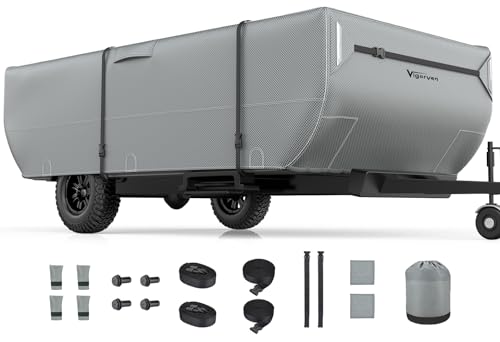
VIGORVAN Pop Up Folding Camper Cover Fits 10'-12' Trailers, Upgraded 7 Layers Top Tent Trailer Cover, Anti-UV & Waterproof Folding Trailer Cover with Windproof Straps

Best Pop Up Camper Art for Men Women Pop Up Trailer Camping T-Shirt

MOFCOVER Pop Up Camper Cover, 9 Layers Rip-Stop 10-12ft Trailer Cover, Grey | Pop-Up Folding Camper Cover, Extra-Thick Waterproof Tent Trailer Cover with 3+2 Windproof Straps & 8 Corner Protection
DikaSun Pop Up Camper Cover 14'-16', Upgraded 9-Layers Top Waterproof Pop-up Tent Trailer Cover Anti-UV Folding Camper RV Cover for Motor Home Winter Snow Protection
DikaSun Pop Up Camper Cover 10'-12', Upgraded 9-Layers Top Waterproof Pop-up Tent Trailer Cover Anti-UV Folding Camper RV Cover for Motor Home Winter Snow Protection

Umbrauto Pop Up Camper Cover for 12'-14' Folding Tent Trailer – Upgraded 9-Layers Top, Waterproof, Windproof, Sun-Resistant, Heavy-Duty Cover for All-Weather Winter Snow Protection
Disclaimer
Outdoor activities involve inherent risks. The information provided on CampLifeEssentials is for educational purposes only. We are not responsible for any injuries, losses, or damages resulting from the use of this information. Some content may use AI assistance. Always practice Leave No Trace principles and verify local regulations before camping. If you do not agree, please do not use this website. Read the full disclaimer.