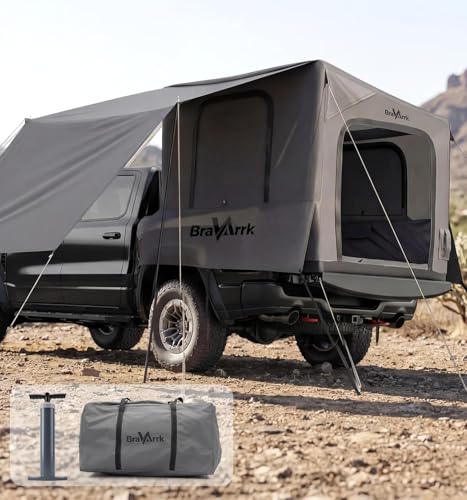
Tent for Bed of Pickup: The Complete Guide to Truck Bed Camping
Transform your pickup truck into a comfortable, secure, and weather-ready mobile basecamp with the right truck bed tent. Learn everything you need to know before you buy.
Why Choose a Truck Bed Tent? A tent for the bed of a pickup offers a unique blend of convenience, security, and elevation. Unlike ground camping, you sleep off the ground, away from moisture and uneven terrain. Your vehicle becomes the foundation, simplifying setup and providing a familiar, secure feeling. This guide will walk you through the key considerations to find the perfect tent for your truck.
What Exactly Is a Pickup Truck Bed Tent?
A tent for the bed of a pickup is a specialized camping shelter designed to sit inside the cargo bed of your truck. Unlike a standard ground tent, it uses the truck's side walls and tailgate as its base. These tents typically feature a floor that covers the entire truck bed, walls that rise above the sides, and a rainfly that provides weather protection and sometimes extends over the cab or tailgate for extra vestibule space. This design creates a raised, flat, and often more comfortable sleeping area compared to traditional camping. Many models are designed for specific truck bed sizes, ensuring a snug and secure fit.
Key Benefits of Using a Truck Bed Tent
Choosing a tent for your pickup bed comes with a distinct set of advantages that appeal to a wide range of campers, from solo adventurers to families. Understanding these benefits helps you decide if this style of camping is right for you.
- Elevated Comfort: Sleeping off the ground means you avoid rocks, roots, and uneven soil. It also provides a psychological sense of security and keeps you away from ground moisture and crawling insects.
- Quick Setup: Most truck bed tents are designed for fast, intuitive setup. Many can be pitched in under 10 minutes, as they utilize the truck bed's structure, eliminating the need to stake out a ground tent.
- Space Efficiency: Your truck bed becomes a dedicated sleeping area, freeing up interior cab space for passengers and gear. This is especially useful for camping sites where space is at a premium.
- Vehicle Integration: You remain attached to your vehicle, which is convenient for power access, security, and a quick getaway. It's a perfect setup for those who enjoy car camping or overlanding.
- Weather Protection: A well-designed truck bed tent, with a full-coverage rainfly, offers excellent protection against rain and wind. The high sides of the truck bed provide natural windbreaks.
How to Choose the Right Tent for Your Pickup Bed
Selecting the perfect tent for bed of pickup requires careful consideration of a few critical factors. A mismatch can lead to a poor camping experience, so it's worth doing your research before making a purchase.
1. Measure Your Truck Bed Accurately
This is the most important step. You need the internal length and width of your truck bed, measured at the floor and at the top of the sides (the bed rails). Also, note the height of your bed rails. Most manufacturers categorize tents by bed size (e.g., compact, standard, full-size). Brands often offer models for specific makes and models. For a seamless fit, consider a pickup truck camper shell as an alternative if you prefer a hard-sided option, but for tent camping, an exact fit is crucial to prevent wind flap and water pooling.
2. Consider the Weather and Seasons
Will you be a fair-weather camper, or do you plan to venture out in winter camping? A three-season tent is suitable for most conditions. Look for a model with a strong, fully taped rainfly that covers the entire tent body. For colder climates, a tent with a "stove jack" allows you to use a hot tent camping setup with a wood stove. For summer, prioritise ventilation with large mesh panels to prevent condensation.
3. Assess Ease of Setup and Takedown
Some tents use a simple pole-and-sleeve system, while others feature an instant pop-up mechanism. If you plan to move campsites frequently or arrive late, an easiest tent to set up and take down is invaluable. Practice setting up the tent at home before your trip to familiarise yourself with the process.
4. Look for Quality Materials and Construction
The fabric's denier (thickness) and waterproof rating (hydrostatic head) matter. A higher denier and a rating of at least 1500mm are good indicators of durability and weather resistance. Check the seams; they should be factory-sealed or taped. The poles should be made of robust materials like aluminum, not fiberglass, for longevity. A pop-up tent for back of pickup truck might be a convenient option, but ensure its materials are up to the task.
5. Decide on Features and Accessories
Do you need a model with a built-in awning for shade? How about a tent with a "porch" area for gear storage? Some tents integrate with a tent for back of truck with camper shell, creating a seamless living space. Consider how the tent's door and window placement will affect access to your cab and gear. The most comfortable way to sleep is often achieved with a model that offers good headroom and a comfortable sleeping pad camping mat.
Different Styles of Pickup Bed Tents
The market offers several styles of tents for the back of pickup trucks. Each has its own advantages:
- Standard Bed Tents: The most common type. They cover the entire truck bed and sit on the bed rails. They offer good interior space and are generally the most affordable.
- Pop-Up or Instant Tents: These are designed for maximum speed and ease of use. They often use a pre-assembled pole structure that "pops" into place. A tents that go in the back of a pickup with an instant setup is ideal for spontaneous trips.
- Truck Bed Tents with Awning/Annex: These models include an additional covered area outside the main sleeping space, providing a sheltered spot for cooking or sitting. This is a great feature for camping with dogs.
- Roof-Top Tents (for Truck Beds): While technically mounted on a rack above the bed, some campers prefer a roof-top tent mounted on truck bed racks. This frees up the entire bed for gear but requires a more complex setup and a higher budget (premium tier).
Tips for Setting Up and Using Your Truck Bed Tent
Getting the most out of your truck bed tent involves a bit of know-how. Here are some practical tips to enhance your experience:
- Prepare the Bed: Before pitching your tent, clean and inspect your truck bed. Remove any sharp objects. Consider adding a memory foam bed mattress topper or a thick sleeping pad camping mat for extra comfort. This is a game-changer for a good night's sleep.
- Use a Ground Tarp (Optional): While the tent has a floor, an extra tarp under it can protect the tent floor from abrasion and add another layer of moisture protection.
- Practice at Home: As mentioned, do a dry run in your driveway. This helps you identify any issues and speeds up the process at the campsite.
- Secure the Tent: Always use the provided straps and buckles to secure the tent to your truck bed. Never rely solely on the tent's weight. In windy conditions, proper securing is essential. This is a key principle of campfire safety rules, as a loose tent can be a hazard.
- Ventilation is Key: To prevent condensation, keep the tent's vents open, even if it's slightly raining. The goal is to allow moisture from your breath to escape. This is especially important when camping in the winter in a tent.
Maintaining Your Tent for Bed of Pickup
To ensure your investment lasts for many seasons, proper care is essential. Always ensure the tent is completely dry before packing it away. Storing a damp tent promotes mildew and can damage the waterproof coating. Clean the tent with a mild soap and water solution, and avoid harsh chemicals. Periodically re-waterproof the rainfly with a spray-on or wash-in product. Store the tent loosely in a cool, dry place, not compressed in its stuff sack for long periods. With proper care, a high-end (premium tier) tent can last for many years of adventure.
Frequently Asked Questions
Can I use a regular tent in my pickup bed? While you technically can, it's not recommended. A regular tent is not designed for the dimensions or the wind exposure of a truck bed. It will likely not fit securely, leading to poor performance and potential damage. A dedicated truck bed tent is always the better choice.
Are truck bed tents safe? Yes, when used correctly. They are a secure and stable shelter. Always ensure the tent is properly secured to the truck bed and be aware of your surroundings, especially in areas with wildlife. Follow all standard camping safety guidelines.
How long does it take to set up a truck bed tent? Setup times vary by model. A simple pole-and-sleeve tent might take 10-15 minutes, while an instant pop-up model can be ready in as little as 2-3 minutes. A tents that can be erected by one person is a great feature for solo campers.
Do I need a special mattress for a truck bed tent? You don't need a special one, but a good quality sleeping pad or air mattress is highly recommended for comfort. Many campers use a double blow up bed with built in pump or a twin air mattress with built in air pump to fit the space perfectly. A most comfortable way to sleep in a tent is with a mattress that suits your sleeping style.
What about using a tent on a utility trailer instead of a pickup? Yes, there are tents designed for utility trailers. You can find options for setting up a tent on a utility trailer, which can be a great alternative if you don't have a pickup truck.