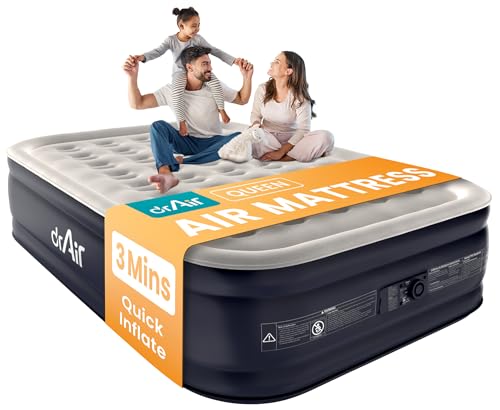
Most Comfortable Inflatable Bed: The Ultimate Guide to Restful Sleep
Discover how to choose the most comfortable inflatable bed for camping, guest rooms, and travel. We break down thickness, materials, pump types, and features that make a difference.
START YOUR COMFORT JOURNEYWhy comfort matters: A good night's sleep outdoors or in a guest bed depends on support, stability, and insulation. The most comfortable inflatable bed isn't just about size—it's about thoughtful design that mimics your home mattress. This guide helps you cut through the marketing and find the right balance of firmness, height, and durability.
Key Factors for Inflatable Bed Comfort
Thickness & Height
From low-profile to raised air beds
Materials & Durability
PVC, TPU, and puncture resistance
Inflation & Pump
Built-in, manual, or electric pumps
Sleep Position Support
Back, side, and stomach sleepers
What Makes an Inflatable Bed Truly Comfortable?
When you search for the most comfortable inflatable bed, you're likely looking for a sleep surface that doesn't feel like a balloon. The difference between a restless night and deep sleep often comes down to three things: air chamber construction, surface texture, and stability. A high-quality inflatable bed uses internal structures—like vertical beams or coil systems—to distribute weight evenly and prevent the "hammock effect" where you roll toward the center. For campers, added insulation (like a reflective layer or foam core) can make a huge difference in cold weather. For guest beds, height and firmness control are key to mimicking a traditional mattress. In this guide, we'll explore the features that separate a premium inflatable bed from an entry-level one, helping you make a confident purchase.
Many people start their search by looking at camping beds for tents or air mattresses for camping, but comfort needs vary. If you're setting up a permanent guest space, a double high air mattress with built-in pump offers the height and convenience of a real bed. Side sleepers often benefit from a memory foam mattress topper for side sleepers placed on top of the air bed, while back sleepers may prefer a firmer extra firm mattress topper for back pain. The key is to match the inflatable bed's base support with your personal sleep style.
Thickness and Height: Finding Your Ideal Profile
Inflatable beds come in three main height categories: low-profile (under 10 inches), mid-height (10–18 inches), and raised (18–24 inches). Low-profile beds are lightweight and great for backpacking, but they can be tricky for side sleepers or those with mobility issues. Mid-height beds are a popular compromise—they offer enough cushioning for comfort without being bulky. Raised air beds, such as an 18 inch air mattress with built-in pump or a 24 inch twin air mattress with built-in pump, provide the easiest get-in-and-out experience and often feel more like a traditional mattress. For couples, a queen size air mattress with built-in pump in a raised height is often the most comfortable choice because it reduces motion transfer and provides ample space.
If you're specifically looking for a bed for a guest room or master bedroom, consider a double high queen air mattress with built-in pump or even a raised queen air mattress with built-in pump. These models typically include a built-in headboard or edge support, which adds to the comfort and prevents pillows from sliding off. For solo sleepers, a single bed air mattress with built-in pump or a twin air mattress with built-in air pump works well in smaller spaces. And if you need a bed that doubles as a sofa, look for an air mattress with built-in pump and headboard.
Materials and Construction: Durability Meets Comfort
The most comfortable inflatable beds use multi-layer PVC or TPU (thermoplastic polyurethane) with a soft flocked top. Flocking provides a velvety surface that holds sheets in place and feels pleasant against the skin. TPU is lighter, more environmentally friendly, and more puncture-resistant than standard PVC, though it often comes at a higher tier. Look for beds with reinforced seams and a waterproof bottom to prevent punctures from twigs or rough ground. If you're camping, a self-inflating camping mattress or a blow-up camping mattress with a durable outer shell can be a game-changer. For home use, a inflatable air mattress with built-in pump that uses a high-quality PVC blend will resist stretching over time.
Don't overlook the valve system. A good valve prevents air leakage and makes inflation effortless. Many premium models now feature a blow up bed with built-in pump that inflates and deflates in minutes. For those who want the ultimate convenience, a double blow up bed with built-in pump or a king size blow up mattress with built-in pump can be set up without any extra tools. If you're concerned about longevity, consider a full size air mattress with built-in pump from a reputable brand—these often have better warranty and customer support.
Inflation and Pump Types: Convenience Counts
The pump is a critical comfort factor because it determines how easy it is to adjust firmness. Built-in electric pumps are the most convenient—just plug in, turn the dial, and you're done. Manual pumps are lightweight and don't require power, making them ideal for backpacking. Foot pumps are a middle ground for car camping. If you're looking for a bed for occasional guests, a blow up mattress for back seat of car with a built-in pump can be a lifesaver for road trips. For larger beds, a queen air mattress with built-in pump and headboard offers the best of both worlds: easy inflation and added comfort. And for those who need a bed for a bedridden patient, a use of air mattress for bed bedridden patients guide can provide valuable insights into pressure relief and comfort.
Some air beds now come with dual pumps or separate chambers for customized firmness on each side. This is a premium feature that can significantly enhance comfort for couples. If you're looking for a bed that can be used in multiple settings, consider a raised twin air mattress with built-in pump or a twin double high air mattress with built-in pump. These models often include a carry bag and are easy to store.
Sleep Position and Comfort: Tailoring to Your Needs
Your sleep position should dictate the type of inflatable bed you choose. Back sleepers need even support across the entire body, so a bed with a firm, flat surface and minimal sagging is ideal. A memory foam mattress topper for bad back can add pressure relief. Side sleepers need a softer surface that cushions the shoulders and hips—a mattress topper for side sleepers with hip pain is a great addition. Stomach sleepers need a firmer surface to prevent their lower back from arching. For those with specific pain points, a mattress toppers for back and hip pain or a mattress topper for back and neck pain can make a world of difference.
If you're a side sleeper who also wants the convenience of an all-in-one solution, consider an all in one sleeping bag and mattress. For those who want a more traditional bed feel, a memory foam mattress topper with cooling gel can prevent overheating. And if you're camping in cold weather, a memory foam camping mattress or a mattress pad for camping can add insulation and comfort. Many campers also combine an air mattress with a foldable mat for sleeping or a foam mattress camping pad for extra warmth.
Comparing Inflatable Bed Types for Comfort
| Type | Best For | Comfort Features | Typical Tier |
|---|---|---|---|
| Low-Profile Camping Air Bed | Backpacking, minimalists | Lightweight, packable, often includes insulation | Entry-level to mid-range |
| Mid-Height Air Mattress | Car camping, guests | Flocked top, built-in pump, good support | Mid-range |
| Raised Air Bed with Headboard | Guest room, master bedroom | Height, edge support, dual chambers, headboard | Premium to luxury |
| Self-Inflating Pad | Backpacking, tent camping | Foam core, compact, good insulation | Mid-range to premium |
| All-in-One Sleeping System | Camping, sleepovers | Integrated sleeping bag and mattress, easy setup | Mid-range |
Further Reading & Related Guides
How to Choose the Best Air Mattress for Camping
Learn how to balance weight, insulation, and comfort for a great night's sleep in the outdoors. We cover valve types, R-values, and size options.
Read More →Memory Foam vs. Air: Which Camping Mattress Is More Comfortable?
Compare the pros and cons of memory foam and air mattresses for camping, including support, packability, and durability.
Read More →Setting Up Your Sleeping System in a Tent
From ground cloth to sleeping bag, discover how to layer your sleep system for maximum comfort in any season.
Read More →Frequently Asked Questions
What is the most comfortable thickness for an inflatable bed?
For most people, a thickness of 18 to 24 inches provides the best combination of ease of entry and comfort. Thicker beds (like a 24 inch twin air mattress with built-in pump) feel more like a traditional mattress, while thinner beds are lighter and more packable.
Are built-in pumps reliable for long-term use?
Yes, modern built-in pumps are quite reliable. Look for models with a reputation for durability, such as a blow up bed with built-in pump from a trusted brand. Many come with a one-year warranty.
Can I use a regular mattress topper on an inflatable bed?
Absolutely. A memory foam mattress topper for side sleepers or a extra firm mattress topper for back pain can dramatically improve comfort. Just ensure the topper is sized correctly for your air bed.
How do I prevent my inflatable bed from losing air?
Check the valve for debris, avoid over-inflation, and place a protective mat underneath when camping. A mattress pad for camping can add a layer of protection against punctures.
What is the best inflatable bed for a guest room?
A double high queen air mattress with built-in pump or a raised queen air mattress with built-in pump is ideal for guests because it offers height, firmness, and easy setup. Adding a memory foam mattress topper with cooling gel can make it feel like a real bed.
Ready to upgrade your sleep? Explore our recommended inflatable beds below. Whether you're camping under the stars or hosting guests, the right inflatable bed can transform your comfort. Remember to consider your sleep position, available space, and inflation preferences before making a decision.