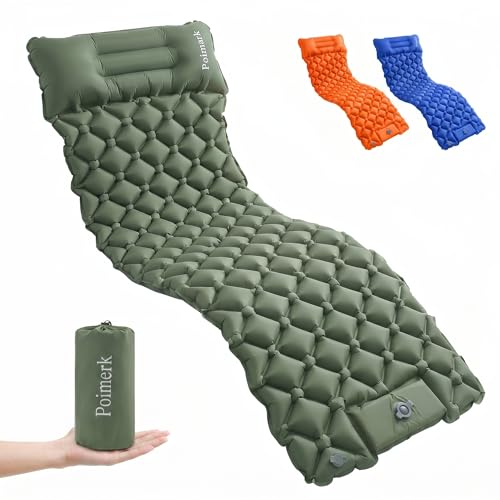
Foldable Mat for Sleeping: Your Key to Camping Comfort
Discover how a foldable sleeping mat transforms your outdoor rest. Compare types, insulation, and portability to find your perfect match.
Explore Top PicksWhy a foldable mat matters: A good night's sleep is the foundation of any great camping trip. A foldable mat for sleeping provides essential insulation from the cold ground, cushions pressure points, and packs away compactly—making it one of the most valuable pieces of camping gear you can own.
Why Invest in a Foldable Sleeping Mat?
Whether you're a weekend car camper or a seasoned backpacker, the quality of your sleep directly impacts your energy, mood, and safety outdoors. A foldable mat for sleeping is more than just a soft surface; it's a critical barrier between your body and the cold, hard ground. Unlike bulky air mattresses, foldable mats offer a unique blend of convenience, durability, and reliable performance.
Modern foldable mats use closed-cell foam or hybrid designs that trap air and reflect body heat. They are virtually puncture-proof, require zero inflation, and can be deployed in seconds. For those who prioritize simplicity and dependability, a foldable mat is often the smartest choice. If you're still weighing your options, our guide to the most comfortable way to sleep in a tent can help you see where a foldable mat fits into a complete sleep system.
When space and weight are at a premium—such as on a backpacking trip—the low bulk of a foldable mat is a game-changer. It can be strapped to the outside of your pack without fear of punctures, and it doubles as a sit pad during rest stops. This versatility makes it a favorite among ultralight enthusiasts and casual campers alike. For those counting every ounce, pairing a foldable mat with an ultralight tent creates an exceptionally efficient shelter and sleep setup.
Types of Foldable Mats for Sleeping
Not all foldable mats are created equal. Understanding the core types will help you match a mat to your camping style, climate, and comfort needs.
Closed-Cell Foam Mats
The classic egg-crate or accordion-style mat. These are the most durable, lightweight, and affordable options. They are virtually indestructible, never leak, and provide reliable insulation. However, they are bulkier than inflatable pads and offer less cushioning. They are ideal for entry-level campers, Scouts, and as a supplement under an air pad for extra warmth. Their simplicity makes them a staple in any what to take on a camping trip checklist.
Self-Inflating Foldable Mats
These mats combine open-cell foam with an air chamber. When the valve is opened, the foam expands and sucks in air. They offer better comfort than closed-cell foam and pack smaller. They are a mid-range choice, balancing durability, comfort, and packability. They require minimal effort to inflate but can be punctured if not cared for. They are excellent for three-season camping and car camping where comfort is a priority.
Hybrid & Air-Foam Mats
The premium tier of foldable mats. These use a combination of air chambers and foam layers to deliver superior comfort, high R-values, and compact packed sizes. Many are designed with baffled construction to prevent air movement and provide a stable sleep surface. While they are the most expensive and slightly heavier, they offer the best night's sleep for side sleepers and cold-weather campers. They are a top-tier investment for dedicated outdoor enthusiasts.
Key Features to Evaluate
When selecting a foldable mat, focus on these critical factors to ensure you get the right tool for your adventures.
- R-Value (Insulation): This measures a mat's ability to resist heat loss. For summer camping, an R-value of 1–2 is sufficient. For three-season use, aim for 2–4. For winter camping, you need an R-value of 4.5 or higher. A higher R-value is essential for winter camping gear.
- Thickness & Comfort: Thicker mats (2–3 inches) provide more cushioning for side sleepers and those with joint pain. Closed-cell foam mats are typically thinner (0.5–1 inch) and firmer.
- Packed Size & Weight: Foldable mats excel here. They can be folded or rolled into a compact bundle. Consider how it will attach to your pack or fit in your car.
- Durability & Material: Look for abrasion-resistant fabrics like 30D or 75D polyester. Closed-cell foam is the most durable, while inflatable mats require careful handling to avoid punctures.
- Shape & Size: Mummy-shaped mats save weight, while rectangular mats offer more room. Ensure the length matches your height; a mat that's too short will leave your feet cold.
For a deeper dive into sleep system compatibility, see our guide on sleeping bag temperature guide to align your mat and bag for optimal warmth.
Foldable Mat Comparison: Which Type Is Right for You?
| Feature | Closed-Cell Foam | Self-Inflating | Hybrid / Air-Foam |
|---|---|---|---|
| Comfort Level | Basic | Mid-range | Premium |
| R-Value Range | 1.5 – 2.5 | 2.5 – 4.5 | 4.0 – 6.0+ |
| Weight | Lightweight | Mid-weight | Mid to Heavy |
| Packed Size | Bulky | Moderate | Compact |
| Durability | Excellent | Good | Fair to Good |
| Best For | Budget-friendly, Scouts, backup | Three-season car camping | Backpacking, winter, side sleepers |
How to Choose the Perfect Foldable Mat
Start by defining your primary camping scenario. If you mainly car camp and have space, a thicker self-inflating or hybrid mat will give you hotel-like comfort. If you're backpacking, prioritize a closed-cell foam mat or a lightweight hybrid model. Consider the climate: for cold weather, an R-value above 4 is non-negotiable. Pairing a high-R-value mat with a heated sleeping bag can extend your camping season dramatically.
Also, think about your sleeping position. Side sleepers need a thicker mat (at least 2.5 inches) to prevent hip and shoulder pressure. Back sleepers can get away with a thinner mat. If you're a restless sleeper, a wider rectangular mat may be preferable to a mummy shape. For those who camp with a partner, consider a double-wide mat or two mats that can be strapped together. Our article on double camping cot options explores alternative shared sleep solutions.
Finally, don't overlook the valve system on inflatable mats. A reliable, one-way valve makes inflation and deflation effortless. Some premium mats include a pump sack or built-in pump, which is a luxury feature that saves your breath and prevents moisture from entering the mat. For those who want to avoid inflation entirely, a closed-cell foam mat remains the ultimate no-fuss solution. If you're building a complete camping kit, see our camping essentials list to ensure you haven't missed anything.
Maintenance and Care Tips
To extend the life of your foldable mat, follow these simple practices. Always store your mat unrolled and loose, preferably hanging or laid flat, to prevent foam compression and creases. Clean with mild soap and water, and avoid harsh chemicals. For inflatable models, keep them away from sharp objects and always use a groundsheet or footprint underneath. If you have a puncture, repair kits are available and easy to use. A well-cared-for mat can last for many seasons, making it a smart, long-term investment. For more tips on gear longevity, check out our guide on how long do tents last—many of the same principles apply.
Frequently Asked Questions
Can I use a foldable mat for backpacking?
Yes, absolutely. Closed-cell foam mats are a popular choice for backpackers because they are lightweight, durable, and can be strapped to the outside of a pack. Hybrid mats are also suitable if you prioritize comfort and are willing to carry a bit more weight.
What R-value do I need for summer camping?
For summer camping, an R-value of 1 to 2 is generally sufficient. However, if you sleep cold or camp in higher elevations, consider an R-value of 2.5 to 3 for extra warmth.
How do I clean my foldable mat?
Wipe it down with a damp cloth and mild soap. For inflatable mats, avoid submerging them completely. Always dry thoroughly before storing to prevent mold and mildew.
Is a foldable mat better than an air mattress?
It depends on your needs. Foldable mats are more durable, lighter, and easier to set up. Air mattresses offer more cushioning and can be more comfortable for some, but they are heavier, prone to punctures, and require inflation. For backpacking and rugged use, a foldable mat is often superior.
Can I put a foldable mat on a camping cot?
Yes, a foldable mat can be placed on a cot for extra insulation and comfort. This is a great way to stay warm and cushioned, especially in cold weather. Just ensure the mat doesn't slide around.
Ready to upgrade your sleep system? Explore our recommended foldable mats below, and don't forget to check our guides on camping checklists and first time camping tips to prepare for your next adventure.