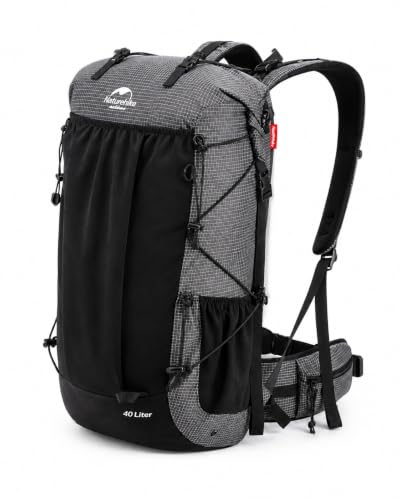
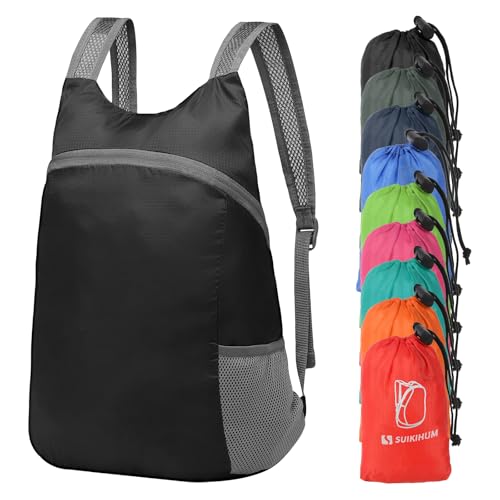
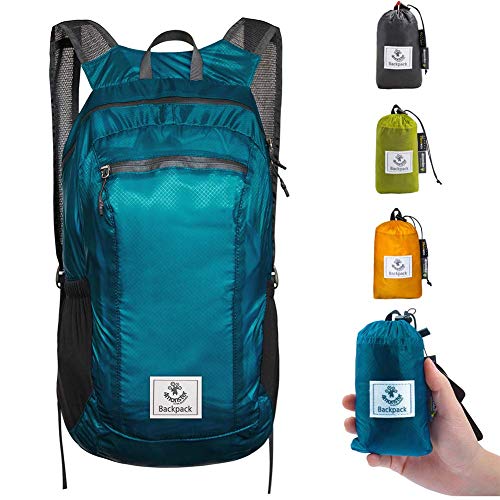
Lightweight Backpacking Packs: The Ultimate Guide to Carrying Less and Exploring More
Discover how the right ultralight backpack transforms your hiking experience — reducing fatigue, improving balance, and letting you go farther with less effort.
The Lightweight Advantage: Every ounce you remove from your back translates directly into more miles, less fatigue, and greater enjoyment on the trail. A well-chosen lightweight backpacking pack is the single most impactful gear upgrade a hiker can make.
Why Lightweight Backpacking Packs Matter
Backpacking is a game of ounces. The weight you carry affects your speed, endurance, joint health, and overall trail happiness. Traditional backpacks often weigh several pounds empty, forcing you to carry a significant load before you've even packed your first item. Lightweight backpacking packs flip this equation — they're engineered to shed every possible gram without sacrificing structural integrity or comfort.
The benefits extend far beyond simple weight reduction. A lighter pack improves your center of gravity, reduces strain on your shoulders and hips, and allows you to move more naturally over uneven terrain. For thru-hikers logging 15–25 miles per day, this difference is transformative. For weekend adventurers, it means finishing your hike with energy to spare. If you're building a complete ultralight kit, pairing your pack with a lightweight shelter such as a two-person backpacking tent or a one-person backpacking tent creates a synergistic weight savings that compounds across every mile.
Understanding sleeping bag temperature ratings and choosing a ultra-lightweight sleeping bag further complements your lightweight pack choice, ensuring your entire sleep system stays feather-light without compromising warmth.
Types of Lightweight Backpacking Packs
Not all lightweight packs serve the same purpose. The right choice depends on your hiking style, trip duration, and gear volume. Here's a breakdown of the main categories:
1. Ultralight Frameless Packs
These packs typically weigh under two pounds and rely on your sleeping pad and careful packing to provide structure. They're ideal for experienced backpackers with dialed-in, compact gear lists. Best for trips where total pack weight stays under 25 pounds. Frameless packs shine on fast-and-light adventures where every gram counts.
2. Lightweight Internal Frame Packs
The sweet spot for most backpackers. These packs use minimal frame stays or framesheets to transfer weight to your hips while keeping total weight low. They handle loads up to 35 pounds comfortably and offer the best balance of weight savings and load-carrying capability. Perfect for multi-day trips and varied terrain.
3. Ultralight External Frame Packs
A niche category that's seen a resurgence among ultralight enthusiasts. Modern external frame packs use carbon fiber or aluminum frames to create a lightweight structure that carries loads efficiently while keeping the pack body close to your back. They offer excellent ventilation and load transfer for their weight.
4. Fastpacking Packs
Designed for trail runners and fast hikers who want to move quickly over long distances. These packs are essentially running vests with storage — minimal structure, body-hugging fit, and enough capacity for a night or two out. They pair beautifully with a lightweight shelter like a tent that uses trekking poles for setup.
For those who prefer hammock camping, a lightweight portable hammock and stand can replace a traditional tent setup, further reducing your base weight when combined with a compact frameless pack.
Key Features to Evaluate in a Lightweight Pack
When comparing lightweight backpacking packs, focus on these critical attributes:
Weight-to-Volume Ratio
The most important metric. A pack that weighs two pounds but only carries 30 liters may be less efficient than a three-pound pack carrying 60 liters. Look for packs that maximize internal volume relative to their weight. Premium ultralight packs achieve remarkable efficiency through advanced materials like Dyneema Composite Fabric (DCF) and high-tenacity ripstop nylon.
Carrying Capacity & Suspension
Lightweight doesn't mean uncomfortable. Modern suspension systems use minimalist frames, padded hip belts, and load-lifter straps to transfer weight effectively. Entry-level lightweight packs may use simple foam framesheets, while premium models feature carbon fiber stays and adjustable torso lengths. Mid-range options typically offer the best balance of features and weight savings.
Material Durability
Ultralight packs often use thinner fabrics to save weight. Look for abrasion-resistant materials like 100D–210D ripstop nylon or polyester. DCF (Dyneema) offers exceptional strength-to-weight ratio but comes at a premium tier. Consider your terrain — rocky, brushy environments demand tougher fabrics than maintained trails.
Pocket Configuration & Accessibility
Efficient pocket design reduces the need to stop and unpack. Side pockets for water bottles, hip belt pockets for snacks and phones, and a large front mesh pocket for wet gear are hallmarks of well-designed lightweight packs. Some ultralight models strip pockets entirely to save weight — a trade-off between convenience and grams.
Hydration Compatibility
Most lightweight packs include a hydration sleeve and hose port. Ensure the sleeve fits your preferred reservoir size and that the hose routing works with your shoulder strap configuration. Some fastpacking models integrate soft flask pockets on the chest for instant access.
If you're also optimizing your sleep system, consider how your pack integrates with items like an ultralight camping sleeping pad or inflatable camping sleeping mat — these often pack down small enough to fit inside frameless packs as structure.
Lightweight Backpacking Pack Tiers Compared
Use this table to understand how packs in different quality tiers compare across key attributes. Remember: higher tiers offer better materials and refinement, but the best pack is the one that matches your specific needs.
| Feature | Entry-Level | Mid-Range | Premium | Luxury / Ultralight |
|---|---|---|---|---|
| Typical Empty Weight | 3–4 lbs | 2–3 lbs | 1.5–2.5 lbs | Under 1.5 lbs |
| Frame Type | Basic framesheet or none | Aluminum stays or framesheet | Carbon fiber or advanced alloy frame | Frameless or minimal carbon stays |
| Primary Materials | 210D–600D polyester/nylon | 100D–210D ripstop nylon | High-tenacity ripstop, some DCF | Dyneema Composite Fabric (DCF) |
| Load Comfort Range | Up to 25 lbs | 20–35 lbs | 25–40 lbs | Up to 25 lbs |
| Pocket Count | 3–5 | 5–7 | 6–9 | 3–6 (intentionally minimal) |
| Best For | Beginners, short trips | Most backpackers, multi-day trips | Experienced hikers, long distances | Thru-hikers, ultralight purists |
| Durability | Moderate | Good | Very Good | Good (requires care) |
| Adjustability | Limited | Moderate | High | Minimal (fixed sizing) |
Entry-level packs are budget-friendly and great for those testing the lightweight waters. Mid-range packs represent the best value for most hikers. Premium and luxury tiers cater to enthusiasts who prioritize every gram and are willing to invest in advanced materials. For a complete ultralight setup, pair your premium pack with a lightweight backpack for hiking that complements your specific trip profile.
How to Choose the Right Lightweight Backpacking Pack
Follow this step-by-step framework to narrow your options:
- Calculate your base weight. Weigh all your gear (excluding consumables like food and water). This determines how much pack structure you need. Under 15 lbs base weight? Go frameless. Over 20 lbs? Choose a lightweight internal frame.
- Determine your volume needs. Gather your gear and measure its packed volume. Most ultralight backpackers need 40–60 liters for 3-season trips. Winter or longer trips may require 60–70 liters. Remember: a 3-season sleeping bag and compact shelter take up less space than bulky alternatives.
- Measure your torso length. Pack fit is critical. Measure from your C7 vertebra (the bony bump at the base of your neck) to the top of your hip bones. Match this to the pack's adjustable or fixed torso range.
- Consider your hiking style. Fastpackers need body-hugging designs with vest-style straps. Traditional backpackers prioritize load transfer and pocket access. Weekend warriors may value comfort and durability over absolute minimum weight.
- Test with weight. If possible, load the pack with 25–30 lbs and walk around the store or your home for 15 minutes. Pay attention to pressure points, hip belt comfort, and shoulder strap positioning.
- Check compatibility with your gear. Will your bear canister fit? Does your sleeping pad for backpacking slide into the pack's sleeve or strap externally? Planning these details prevents frustration on the trail.
Lightweight Pack Selection Checklist
- Empty pack weight is under 3 lbs (ideally under 2 lbs)
- Torso length matches your measurements (adjustable or fixed)
- Hip belt transfers at least 60% of load weight
- Volume accommodates your gear plus 10% buffer
- Pockets align with your accessibility needs
- Hydration sleeve fits your reservoir
- Materials match your terrain's abrasion demands
- Compression straps stabilize partial loads
- Pack fits your budget tier without compromising essentials
Materials That Make Lightweight Packs Possible
Understanding pack materials helps you evaluate durability and performance trade-offs:
Dyneema Composite Fabric (DCF)
Formerly known as Cuben Fiber, DCF is the gold standard for ultralight gear. It's exceptionally strong for its weight, completely waterproof, and doesn't absorb water. The trade-off? It's expensive and less abrasion-resistant than traditional fabrics. Luxury-tier packs often use DCF for the main body with reinforced panels in high-wear areas.
Ripstop Nylon (100D–210D)
The workhorse of lightweight packs. The "D" number refers to denier — the thickness of the individual fibers. Lower denier means lighter but less abrasion-resistant. 100D ripstop offers a great balance for mid-range and premium packs. 210D provides more durability for entry-level and budget-friendly options.
High-Tenacity Polyester
Often used in entry-level and mid-range packs. Polyester is UV-resistant and doesn't stretch as much as nylon, but it's slightly heavier for the same strength. It handles moisture well and offers good durability for general use.
Spectra / Dyneema Gridstop
A hybrid fabric that weaves Spectra or Dyneema threads into a ripstop grid pattern. This dramatically increases tear strength without adding much weight. Premium packs often use gridstop fabrics in high-stress areas like the pack bottom and side panels.
When selecting a pack, consider how its materials align with your other gear. If you're using an ultralight camping sleeping pad that packs small, you may not need external straps — saving weight and complexity. Similarly, a lightweight backpacking rain jacket can be stuffed into a front mesh pocket for quick access during unpredictable weather.
Packing Strategies for Lightweight Packs
How you pack your lightweight backpack affects comfort, balance, and accessibility. Follow these principles:
- Heaviest items closest to your spine. Place your food, water, and cooking gear in the middle of the pack, centered vertically and horizontally. This keeps the weight over your hips and prevents the pack from pulling you backward.
- Light items at the bottom. Sleeping bags and spare clothing go at the bottom. This lowers the pack's center of gravity and provides a cushion against your lower back.
- Frequently accessed items on top or in pockets. Rain gear, snacks, maps, and first aid go in the top lid or external pockets. You shouldn't have to unpack to reach essentials.
- Use compression straps strategically. Tighten straps to stabilize the load and prevent shifting. A well-compressed pack feels lighter and moves with you rather than against you.
- Keep water accessible. Use side pockets or a hydration bladder. If using a camping water filter, pack it near the top for easy access during breaks.
For winter trips, your packing strategy shifts slightly. A winter sleeping bag takes up significant volume, so choosing a pack with adequate capacity becomes critical. Learn more in our winter camping gear guide.
Frequently Asked Questions
How light is "lightweight" for a backpacking pack?
Generally, a lightweight backpacking pack weighs under 3 pounds empty. Ultralight packs weigh under 2 pounds, and frameless ultralight packs can weigh as little as 1 pound. The definition shifts as materials and designs advance, but the 3-pound threshold is a widely accepted benchmark.
Can a lightweight pack carry heavy loads comfortably?
Lightweight internal frame packs can comfortably carry up to 35–40 pounds when properly fitted. Frameless packs are best kept under 25 pounds. The key is matching the pack's suspension to your actual load. Premium packs with carbon fiber frames handle heavier loads better than entry-level frameless designs.
Are expensive lightweight packs worth it?
Premium and luxury-tier packs offer tangible benefits: lower weight, better materials, improved suspension, and refined designs. Whether they're "worth it" depends on your usage. Thru-hikers and frequent backpackers benefit most. Casual weekend campers may find mid-range packs offer better value. For a deeper analysis, see our guide on whether expensive gear is worth it.
What's the difference between a backpacking pack and a hiking backpack?
Backpacking packs are designed for overnight or multi-day trips, with larger volumes and robust suspension. Hiking backpacks (daypacks) are smaller and lighter, designed for single-day use. Lightweight hiking backpacks prioritize mobility and minimal weight for fast day trips.
How do I know if a pack fits properly?
A properly fitted pack rests on your hips, not your shoulders. The hip belt should wrap around your iliac crest (the top of your hip bones) and tighten snugly. Shoulder straps should curve over your shoulders without digging in. The pack should feel stable when you twist and bend. Always measure your torso length before buying.
Can I use a lightweight pack for winter camping?
Yes, but you'll need more volume for bulky winter gear. Choose a lightweight pack with 60–70 liters of capacity and a suspension system rated for 35+ pounds. Pair it with compact winter gear like a winter sleeping bag and a winter tent to manage volume efficiently.
What about rain protection for lightweight packs?
Most lightweight packs are water-resistant but not fully waterproof. Use a pack cover or line your pack with a trash compactor bag. DCF packs are inherently waterproof and require less additional protection. Always protect your sleep system first — a wet sleeping bag ruins trips.
Final Tips for Going Lightweight
Transitioning to a lightweight backpacking pack is a journey, not a destination. Start by weighing your current gear and identifying the heaviest items. Replace them one at a time, prioritizing your pack, shelter, and sleep system — the "big three" that account for most of your base weight.
Consider renting or borrowing packs before committing to a purchase. Many retailers offer demo programs. If you're new to backpacking, read our first-time camping tips and what to bring camping guides to build a solid foundation.
Remember that the best lightweight pack is the one that fits your body, your gear, and your adventure style. Don't chase the absolute lowest weight if it means sacrificing the comfort and durability you need for your specific trips. A pack that carries beautifully at 2.5 pounds is infinitely better than a 1.5-pound pack that leaves you sore and frustrated.
For more gear guidance, explore our camping gear section and check our camping FAQ for answers to common questions. And always practice Leave No Trace principles to protect the wild places you love to explore.
Ready to Lighten Your Load?
Browse our curated selection of lightweight backpacking packs and start your ultralight journey today.
View Recommended Packs ↓