List of Camping Gear for Beginners: Your Essential Starter Kit
Everything you need to know before buying your first camping equipment. This comprehensive guide breaks down the essential gear, explains what to look for, and helps you build a reliable kit without feeling overwhelmed.
Starting your camping journey is exciting, but the sheer amount of gear available can feel intimidating. The key is to focus on the essentials first. You do not need every gadget on the market; you need a core set of reliable items that cover shelter, sleep, cooking, lighting, and safety. This guide will walk you through each category, explaining what the item does, what features to look for, and how to choose the right option for your needs. For a broader overview of trip preparation, you might also want to review our first time camping tips.
1. Shelter: Tents and Accessories
Your tent is your primary shelter. For beginners, a 3-season tent is the most versatile choice. It handles spring, summer, and fall conditions well. Look for a tent that is easy to set up, often called an "instant" or "pop-up" tent. These are excellent for those new to camping because they eliminate the frustration of complex pole assemblies. If you want to understand what size you need, our guide on how to choose tent size provides detailed capacity charts.
When choosing a tent, consider these features:
- Capacity: A "2-person" tent is often snug for two adults with gear. If you want comfort, consider sizing up. For example, a 2-person tent you can stand up in offers significant comfort for couples.
- Ease of Setup: If you prioritize simplicity, look for the easiest 2-person tent to set up or an easiest 4-person tent to set up for families.
- Weather Protection: A rainfly and a bathtub floor are essential. If you often camp in wet conditions, a pop-up tent for cold and rainy weather is a worthwhile investment.
- Material: Beginners often ask, "Are canvas tents better than nylon?" Canvas is more durable and breathable but heavier. Nylon is lighter and more common in beginner tents.
For those who want a tent that feels more like a room, a camping tent you can stand up in is a game-changer for comfort. If you are camping in a group, a 6-man pop-up tent for camping can serve as a central hub.
2. Sleep System: Bags, Pads, and Pillows
A good night's sleep is critical. Your sleep system consists of three parts: a sleeping bag, a sleeping pad, and a pillow.
Sleeping Bags: The temperature rating is the most important specification. For beginners, a sleeping bag for 40-degree weather is a great all-rounder for summer and mild spring/fall. If you plan to camp in colder conditions, you will need a sleeping bag for 20-degree weather. For hot summer nights, a sleeping bag for 50-degree weather or even a sleeping bag for 80-degree weather is more appropriate. If you are looking for a bag that packs small, check out a sleeping bag that fits in a backpack. For couples, a 2-person sleeping bag for cold weather can be a cozy option.
Sleeping Pads: This is not optional. A pad provides insulation from the cold ground and cushioning for your body. For beginners, a 4-inch self-inflating sleeping pad offers a great balance of comfort and packability. If you prefer air mattresses, an air mattress for camping with a pump is convenient. For those who want a bed-like experience, a king-size air mattress for camping is available. You can also consider a camping pad for under sleeping bag for extra insulation.
Pillows: A small camping pillow makes a big difference. You can also use a stuff sack filled with soft clothing as a makeshift pillow.
3. Cooking and Kitchen Gear
You need a way to cook food and boil water. For beginners, a simple camp stove is the best starting point. A dual-fuel single burner camp stove is versatile and reliable. You will also need a set of portable pots and pans for camping.
Consider these items for your camp kitchen:
- Cookware: A nesting cookware set is space-efficient.
- Utensils: Bring a spatula, spoon, and a good knife.
- Cooler: A cooler keeps your food fresh. For car camping, a cooler that plugs into car lighter is a great option. If you want to keep things simple, a standard hard cooler works well.
- Meals: Planning is key. Our article on easy foil packet meals for camping provides simple, delicious recipes. You can also prepare easy camping recipes to make ahead to save time at camp.
4. Lighting and Power
Once the sun goes down, you need reliable light. A camping lantern is essential for area lighting. For personal light, a headlamp is invaluable as it keeps your hands free. For a classic option, battery-operated hurricane lanterns provide a warm, nostalgic glow.
Power is another consideration. A camping power bank is essential for keeping your phone charged. If you are camping for longer periods, a portable power station can power small devices. For a sustainable option, consider solar chargers for camping.
5. Furniture and Comfort
You do not need to sit on the ground. A folding camp chair with side table is a comfortable and convenient choice. For those who want extra support, a heavy-duty high-back camping chair is a good option. A folding camp chair with 400 lb capacity ensures durability for all users. If you prefer to rock, a rocking camp chair with side table offers a relaxing experience.
A table is also useful. A fold-away camping table and chairs set can serve as your dining area.
6. Safety and Hygiene
Safety is paramount. Always carry a well-stocked first aid kit. Our guide on first aid for camping covers the essentials. You should also be prepared for emergencies; learn about emergency SOS signals and consider carrying a camping communication device like a satellite messenger if you camp in remote areas.
For hygiene, a portable collapsible camping toilet is a convenient solution for campsites without facilities. A pop-up privacy tent can be used as a shower or toilet shelter. Always follow Leave No Trace principles to minimize your impact.
7. Tools and Miscellaneous Gear
Several small items can make a big difference. A 10x10 pop-up canopy with sidewalls provides shade and rain protection for your picnic table or cooking area. For car campers, a 10x20 pop-up canopy with sidewalls offers even more covered space.
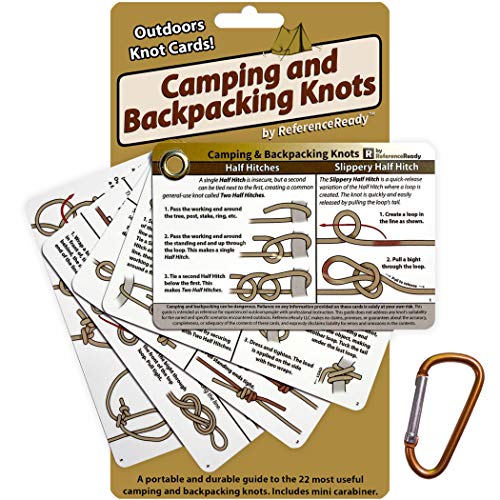
Do not forget the basics: a repair kit for your tent, duct tape, a multi-tool, and extra rope or paracord. For a comprehensive packing list, see our list of camping supplies for tent camping.
Frequently Asked Questions
What is the most important piece of camping gear for a beginner?
The most important items are your shelter (tent) and sleep system (sleeping bag and pad). These ensure you are protected from the elements and can rest well. Without proper shelter and sleep, your trip will be uncomfortable regardless of other gear.
Can I use my regular kitchen pots and pans for camping?
You can, but they are often heavy and bulky. It is better to use dedicated portable pots and pans for camping which are lightweight and designed to nest together for easy packing.
How do I choose the right sleeping bag temperature rating?
Choose a bag rated for the lowest temperature you expect to encounter. For summer camping, a 40°F bag is often sufficient. For spring and fall, a 20°F bag is a safer choice. Our sleeping bag temperature guide explains this in detail.
Do I need a camping stove if I plan to cook over a fire?
Yes, it is highly recommended to have a backup stove. Fire bans are common in dry conditions, and lighting a fire can be challenging in wet weather. A dual-fuel single burner camp stove is a reliable backup.