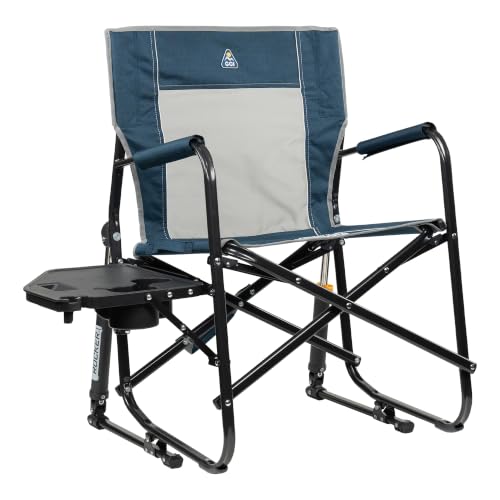
Rocking Camp Chair with Side Table: The Ultimate Comfort Guide
Discover how a rocking camp chair with a side table transforms your outdoor relaxation. We break down stability, comfort, and portability to help you choose the perfect seat for your next adventure.
After a long day of hiking, fishing, or exploring, there are few things better than settling into a comfortable chair by the campfire. A rocking camp chair with side table takes that relaxation to the next level, combining the soothing motion of a rocker with the convenience of a built-in surface for your drink, snacks, or phone. But with so many options on the market, how do you choose the right one? This guide will walk you through everything you need to know.
Why Choose a Rocking Camp Chair with Side Table?
Traditional camp chairs are static—you sit, you stand, you repeat. A rocking chair introduces gentle motion that can help you unwind, soothe sore muscles, and even fall asleep more easily under the stars. The addition of a side table solves a common camping annoyance: where to put your drink or book. Instead of balancing items on your lap or the ground, you get a dedicated, stable surface right at your fingertips.
For those who prioritize comfort, a heavy-duty high-back camping chair is often a good alternative, but nothing beats the therapeutic motion of a rocker. If you need even more stability, consider a folding camp chair with side table as a stationary option, or a folding camp chair with 400 lb capacity for enhanced durability.
Key Features to Evaluate
Not all rocking camp chairs are created equal. Here are the critical factors to consider before you buy:
1. Stability and Rocking Mechanism
The rocking mechanism is the heart of the chair. Cheaper models may use simple curved rails that can be unstable on uneven ground. Mid-range and premium chairs often feature spring-loaded or torsion-based rockers that provide a smoother, more controlled motion. Look for chairs with wide, non-slip feet or a locking mechanism that lets you switch from rocking to stationary mode. This is especially important if you plan to use the chair on soft ground or a slight incline.
If you often camp on uneven terrain, you might also want to check out our guide on canvas vs. nylon tents for tips on selecting gear that handles variable conditions.
2. The Side Table: More Than Just a Cup Holder
The side table is a defining feature of these chairs. Basic models include a molded cup holder, but better designs offer a flat, sturdy surface large enough for a plate, a tablet, or a book. Some tables are integrated into the armrest, while others are attached via a bracket. Consider whether the table is removable for cleaning and whether it has a rim to prevent spills. A well-designed table should not interfere with your ability to get in and out of the chair.
3. Frame Material and Weight Capacity
Steel frames are common and offer excellent durability, though they add weight. Aluminum frames are lighter and more rust-resistant, making them ideal for backpacking or frequent travel. Always check the weight capacity—most quality rocking chairs support between 250 and 400 pounds. If you need a chair for a larger person, look for a heavy-duty folding chair that explicitly states a higher limit.
4. Fabric and Comfort
The seat and backrest material should be breathable and weather-resistant. Polyester or nylon mesh is common and dries quickly, while padded oxford cloth offers more cushioning. For cold-weather camping, a chair with a padded, insulated seat is a wise choice. You can also add a camping pad for extra insulation, though most rocking chairs are designed for seated comfort rather than sleeping.
5. Portability and Setup
Most rocking camp chairs fold flat for transport and come with a carry bag. Weight ranges from 8 to 15 pounds. If you have to carry your chair any distance, prioritize a lighter model. Setup is usually intuitive—unfold the frame, attach the table if removable, and you're ready to rock. Some models require you to attach the rocking base separately, so read the product details carefully.
Comparison of Rocking Camp Chair Tiers
To help you navigate the market, we've categorized rocking camp chairs into three broad tiers based on build quality, features, and intended use. Remember, these are relative descriptors—not price points.
| Feature | Entry-Level | Mid-Range | Premium |
|---|---|---|---|
| Rocking Mechanism | Basic curved rails, may wobble on uneven ground | Spring-loaded or torsion rockers, smoother motion | Precision-engineered rockers with locking mode |
| Side Table | Single cup holder, small | Flat table with cup holder and rim | Large, removable table with device slot |
| Frame | Standard steel, heavier | Reinforced steel or aluminum | Aircraft-grade aluminum, rust-proof |
| Weight Capacity | Up to 250 lbs | 250–350 lbs | 350–400+ lbs |
| Fabric | Basic polyester, less padding | Padded oxford cloth, breathable mesh | Heavy-duty, weather-resistant, insulated options |
| Portability | Folds, but bulky | Compact fold, carry bag included | Lightweight, compact, premium carry bag |
For most casual campers, a mid-range rocking chair offers the best balance of comfort, durability, and portability. Premium models are ideal for frequent campers or those who need a chair that can handle rugged conditions and heavier use. Entry-level chairs are fine for occasional use but may not last as long or provide the same level of stability.
How to Use a Rocking Camp Chair Safely
Rocking chairs are generally stable, but a few precautions will keep you safe:
- Set up on level ground. Avoid slopes or soft sand where the feet can sink unevenly.
- Engage the locking mechanism (if available) when you're not rocking, especially if children or pets are around.
- Don't exceed the weight limit. Overloading can damage the frame or cause a tip-over.
- Keep the side table balanced. Don't place heavy or unstable items on it, especially when rocking.
- Practice fire safety. Keep the chair a safe distance from the campfire. Review our campfire safety rules before your trip.
If you're camping in cold weather, a rocking chair can be a cozy spot to enjoy a hot drink. Check out our winter hot drinks recipes for inspiration. And if you're new to camping, our first-time camping tips will help you prepare for a smooth trip.
Maintenance and Care
To extend the life of your rocking camp chair, clean it after each trip. Wipe down the frame with a damp cloth and mild soap, and allow the fabric to air dry completely before storing. Lubricate the rocking mechanism occasionally with a silicone-based spray if it starts to squeak. Store the chair in a dry, cool place—avoid leaving it in a hot car for extended periods, as extreme heat can degrade the fabric and plastic components.
Frequently Asked Questions
Are rocking camp chairs stable enough for uneven ground?
Mid-range and premium rocking chairs are designed with wider bases and non-slip feet to improve stability on uneven terrain. However, for very steep or rocky ground, a stationary chair like a heavy-duty folding chair may be a safer choice.
Can I use a rocking camp chair for backpacking?
Most rocking chairs are too heavy for backpacking. If you need a lightweight seating option, consider a bikepacking sleeping bag or a simple hammock with mosquito net for lounging. For car camping, a rocking chair is a luxurious addition.
How do I clean the side table?
Most side tables are made of plastic or coated metal. Wipe them with a damp cloth and mild detergent. If the table is removable, take it off and rinse it separately. Avoid abrasive cleaners that can scratch the surface.
What is the weight capacity of a typical rocking camp chair?
Entry-level models usually support up to 250 lbs, while mid-range and premium chairs can handle 300–400 lbs or more. Always check the manufacturer's specifications. If you need a higher capacity, look for a heavy-duty folding chair designed for larger users.
Final Verdict: Is a Rocking Camp Chair with Side Table Worth It?
Absolutely—if comfort and relaxation are priorities for your camping trips. A rocking camp chair with side table offers a unique combination of soothing motion and convenient storage that stationary chairs can't match. It's an excellent investment for car campers, RV enthusiasts, and anyone who spends long hours at the campsite. Just be sure to choose a model that matches your weight, terrain, and portability needs. With the right chair, you'll wonder how you ever camped without one.