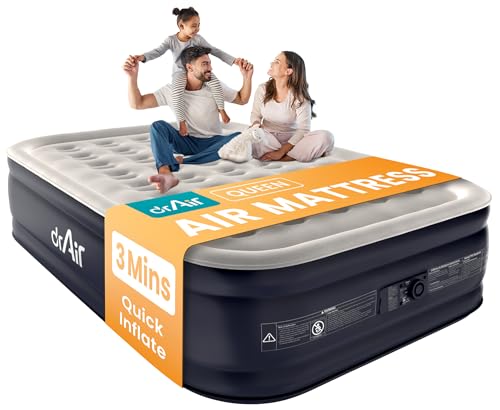
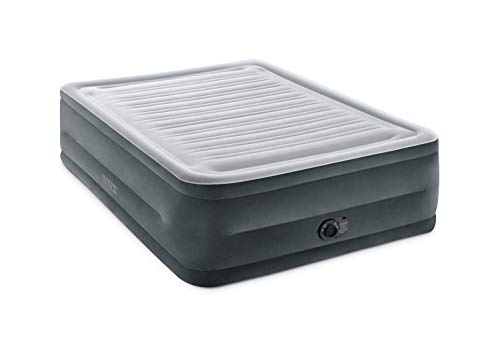
Air Mattress for Camping with Pump: The Complete Guide to Better Sleep Outdoors
A good night's sleep can make or break your camping trip. Discover why an air mattress with a built-in pump is the smart choice for campers who refuse to compromise on comfort.
Read the Buying GuideQuick Summary: An air mattress for camping with a pump eliminates the hassle of manual inflation, saves valuable campsite time, and ensures consistent firmness for restorative sleep. Whether you choose a self-inflating pad or a built-in electric pump model, the right mattress transforms your tent into a comfortable retreat.
Why Sleep Quality Matters When Camping
Camping is meant to recharge you, not leave you sore and exhausted. Yet many campers accept poor sleep as part of the experience. The ground is hard, the temperature drops, and without proper insulation, your body loses heat through conduction. An air mattress for camping with pump solves these problems by providing a cushion of air that isolates you from the cold, uneven ground while offering customizable firmness.
The pump is the unsung hero of this setup. Without one, you are left huffing and puffing or relying on a separate, easily lost accessory. Built-in pumps come in several varieties—manual foot pumps, battery-operated inflators, and rechargeable electric pumps—each with distinct advantages depending on your camping style. For backpackers counting every ounce, a lightweight 4-inch self-inflating sleeping pad might be preferable. But for car campers and families, a full-size air mattress with an integrated pump is a game-changer.
If you are new to camping and still building your gear list, understanding how sleep systems fit together is essential. A mattress is just one piece; you also need to consider insulation, pillow support, and tent floor protection. Our guide on camping gear for beginners can help you see the big picture before you commit to a specific mattress model.
Key Features to Evaluate Before Buying
Not all air mattresses are created equal. The camping market offers a wide spectrum, from ultra-light backpacking pads to plush, raised queen-size beds. Here are the critical factors to weigh as you shop.
Pump Type: Manual, Battery, or Rechargeable?
The pump is the defining feature of this product category. Manual foot pumps are reliable and never run out of power, but they require physical effort and can take several minutes to fully inflate a large mattress. Battery-operated pumps offer convenience but depend on disposable batteries. Rechargeable electric pumps combine convenience with sustainability, though you must remember to charge them before your trip.
For those who prefer a mattress without an integrated pump—perhaps to save weight or because they already own a separate inflator—a model like an air mattress without built-in pump paired with a portable air pump for air mattress offers flexibility. However, the all-in-one design remains the most popular for casual campers because it eliminates the risk of forgetting a critical component.
Thickness and Comfort
Thickness directly impacts comfort and insulation. Entry-level mattresses are often 4 to 6 inches thick, which is adequate for back sleepers but may bottom out for side sleepers. Mid-range models typically range from 8 to 12 inches, offering better support and a more bed-like feel. Premium and luxury options can reach 18 to 24 inches, resembling a traditional mattress in height and plushness.
If you sleep on your side or have hip or shoulder pressure points, a thicker mattress is worth the investment. You might also consider a mattress topper for side sleepers with hip pain to add an extra layer of cushioning. For those who want the ultimate in comfort, a memory foam mattress topper with cooling gel can be paired with an air mattress to regulate temperature and relieve pressure.
Size and Capacity
Size matters, both for your tent and your sleeping arrangement. Twin and twin XL sizes suit solo campers. Full and queen sizes accommodate couples or individuals who want extra space. King-size options exist for those who prioritize sprawl. Always check the weight capacity; heavy-duty models are reinforced to support more weight without sagging.
If you are camping with a partner, a king-size air mattress for camping provides ample room. For solo adventurers, a single bed air mattress with built-in pump is compact and easy to manage. Couples who prefer separate sleeping surfaces might opt for a twin air mattress with built-in air pump placed side by side.
Durability and Materials
The best camping mattresses use puncture-resistant materials, often a combination of PVC and polyester laminate. Seams are a common failure point; reinforced, welded seams outperform glued seams. Look for models with a flocked top surface, which prevents sheets from sliding and adds a layer of softness.
It is also wise to use a ground tarp or footprint beneath your tent to protect the mattress from sharp objects. Our article on essentials for camping in your car covers other protective gear that extends the life of your camping equipment.
Air Mattress Tiers: A Relative Comparison
To help you navigate the market without relying on fluctuating prices, we have categorized air mattresses into three universal tiers. This classification focuses on features, materials, and construction quality rather than numerical price points.
| Feature | Entry-Level | Mid-Range | Premium / Luxury |
|---|---|---|---|
| Pump Type | Manual foot pump or basic battery pump | Rechargeable electric pump or high-volume battery pump | Advanced rechargeable pump with auto-shutoff and deflation |
| Thickness | 4–6 inches | 8–12 inches | 18–24 inches (raised bed style) |
| Material | Standard PVC | PVC with flocked top and reinforced seams | Heavy-duty PVC, puncture-resistant, sometimes with memory foam layer |
| Weight Capacity | Standard (up to ~300 lbs) | Enhanced (up to ~500 lbs) | Heavy-duty (600+ lbs) |
| Best For | Occasional campers, budget-conscious buyers | Regular campers, couples, families | Luxury glampers, those with back or joint concerns |
| Insulation | Minimal; requires additional pad in cold weather | Moderate; flocked surface adds some warmth | Excellent; often includes reflective or foam insulation layers |
When comparing tiers, consider that mid-range models often offer the best balance of durability, comfort, and convenience for the average camper. Entry-level options are perfectly serviceable for infrequent use, while premium models cater to those who camp frequently or have specific comfort needs. If you are unsure where to start, our guide on camping blow up mattress with pump provides additional context on how these tiers translate into real-world performance.
How to Set Up and Maintain Your Air Mattress
Proper setup and care extend the life of your mattress and ensure a comfortable night's sleep. Follow these steps for optimal results.
Before You Leave Home
Test your mattress at home before every major trip. Inflate it fully and let it sit for several hours to check for slow leaks. If your pump is rechargeable, charge it completely. Pack a repair patch kit; even the most durable mattress can encounter a sharp twig or rock. A heavy-duty queen size air mattress may come with a patch kit included, but it is always wise to verify.
At the Campsite
Clear your tent floor of debris, stones, and twigs. Place a tarp or footprint beneath the tent if possible. Inflate the mattress according to the manufacturer's instructions; over-inflation can stress seams, while under-inflation reduces comfort. If you are using a blow up bed with built-in pump, inflate until the mattress feels firm but still has a slight give when you press down.
For cold-weather camping, place an insulating layer between the mattress and the tent floor. A foam pad or emergency blanket works well. Our article on winter camping gear covers additional strategies for staying warm, including the use of winter camping heaters in well-ventilated tents.
After Your Trip
Deflate the mattress completely and clean it with a damp cloth and mild soap. Avoid harsh chemicals that can degrade the PVC. Store the mattress loosely rolled or folded in a cool, dry place—not compressed in a stuff sack for extended periods, which can weaken the material. If your mattress has a 18-inch air mattress with built-in pump design, ensure the pump compartment is dry before storage to prevent mold.
Common Mistakes Campers Make with Air Mattresses
Even experienced campers can fall into bad habits. Here are the most common pitfalls and how to avoid them.
- Over-inflating: A mattress that feels rock-hard is more likely to burst a seam. Aim for firm support with a slight cushion.
- Forgetting insulation: Air mattresses conduct heat away from your body. In cold weather, always add an insulating layer beneath your sleeping bag. A sleeping bag for very cold weather paired with a properly insulated mattress keeps you warm.
- Ignoring weight limits: Exceeding the recommended weight capacity can cause sagging and permanent damage. If you are a larger camper or sleep with a partner, choose a heavy-duty model.
- Skipping the ground sheet: A cheap tarp or footprint is the best insurance against punctures. It also keeps the bottom of your tent clean.
- Storing damp: Moisture trapped inside a deflated mattress can lead to mold and mildew. Always dry thoroughly before packing away.
If you are camping in a tent with limited space, consider the height of your mattress. A raised mattress may feel more comfortable but can crowd a small tent. For compact tents, a lower-profile mattress or a camping pad for under sleeping bag may be a better fit. Our guide on how to choose tent size can help you match your mattress dimensions to your tent's floor area.
Frequently Asked Questions
How long does it take to inflate an air mattress with a built-in pump?
Inflation time varies by pump type and mattress size. A manual foot pump may take 5–10 minutes for a queen-size mattress. A rechargeable electric pump typically inflates the same mattress in 2–4 minutes. Larger, thicker mattresses take longer regardless of pump type.
Can I use an air mattress with a pump in a backpacking tent?
Yes, but weight and pack size are critical considerations. Most built-in pump mattresses are designed for car camping or base camp use, not backpacking. For backpacking, look for an ultralight sleeping pad and a separate, compact pump, or choose a self-inflating pad. A lightweight 2-person 3-season tent paired with a minimal sleep system is ideal for backpacking.
What is the best thickness for a camping air mattress?
For most campers, 8–12 inches offers the best balance of comfort, insulation, and packability. Side sleepers and those with back pain may prefer 18–24 inches. Back sleepers can often sleep comfortably on a 6-inch mattress with a good topper.
How do I prevent my air mattress from losing air overnight?
Air mattresses naturally lose some air due to temperature changes and material expansion. To minimize loss, inflate the mattress in the evening when temperatures are cooler, and avoid over-inflating. Check the valve for debris and ensure it is tightly sealed. If your mattress consistently loses significant air, inspect for punctures and use a patch kit.
Can I use a regular air mattress for camping?
While a standard guest air mattress can work for camping, it is not ideal. Camping-specific mattresses are designed with tougher materials, better insulation, and more compact pumps. A guest mattress may be heavier and less durable in outdoor conditions. If you are transitioning from guest beds to camping, consider a dedicated camping model with a built-in pump.
Ready to Upgrade Your Camping Sleep System?
Now that you understand the features that matter, explore our curated selection of camping air mattresses with pumps. Find the perfect balance of comfort, durability, and convenience for your next adventure.
View Recommended Products