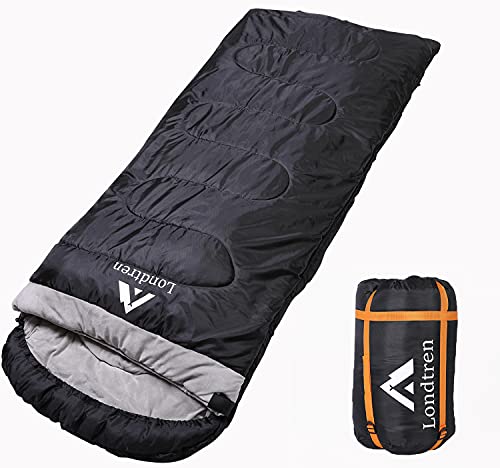
Sleeping Bag for 40 Degree Weather
Your complete guide to choosing the perfect sleeping bag for cool-weather camping. Understand temperature ratings, insulation, shapes, and features to sleep comfortably at 40°F.
START READINGWhy 40°F matters: A 40-degree sleeping bag is the sweet spot for three-season camping. It handles spring and fall nights, cool summer evenings in the mountains, and mild winter trips in warmer climates. But not all 40°F bags are created equal — this guide will help you understand what to look for so you can sleep warm, dry, and comfortable.
Understanding Sleeping Bag Temperature Ratings
When you see a sleeping bag labeled "40°F" or "40 degrees," it refers to the lower limit temperature rating. This is the coldest temperature at which an average adult sleeper (wearing a base layer) can stay comfortable without feeling excessively cold. However, comfort ratings vary by person, gender, metabolism, and sleeping pad insulation.
The EN/ISO 23537 standard tests sleeping bags across three key metrics: Comfort (temperature at which a standard woman can sleep comfortably), Lower Limit (temperature at which a standard man can sleep comfortably), and Extreme (survival limit, not for comfort). A bag marketed for 40-degree weather typically has a comfort rating around 45°F and a lower limit near 35–40°F.
Comfort Rating
The temperature at which an average woman can sleep comfortably. If you sleep cold or are a woman, prioritize the comfort rating over the lower limit. For a 40°F bag, the comfort rating should be close to 40°F or slightly above.
Lower Limit Rating
The temperature at which an average man can sleep comfortably. This is the number most often displayed on the bag's label. For 40-degree weather, the lower limit should be at or slightly below 40°F.
Extreme Rating
A survival-only rating, not meant for comfortable sleep. Never choose a bag based solely on the extreme rating. It exists for emergency preparedness, not regular camping comfort.
Insulation Types: Down vs. Synthetic
The insulation inside your sleeping bag is the single biggest factor in warmth, packability, and weight. For 40-degree weather, both down and synthetic options work well, but they have distinct advantages depending on your camping style.
Down Insulation
- Superior warmth-to-weight ratio
- Highly compressible and packable
- Lasts many seasons with proper care
- Breathable and temperature-regulating
Down Limitations
- Loses loft when wet
- More expensive than synthetic
- Requires careful cleaning and storage
- Not ideal for humid environments
Synthetic Insulation
- Retains warmth even when damp
- More budget-friendly options available
- Easy to clean and maintain
- Hypoallergenic and vegan-friendly
Synthetic Limitations
- Bulkier and heavier than down
- Less packable for backpacking
- Degrades faster over time
- Less breathable in warm conditions
For a 40-degree bag, synthetic insulation is often the practical choice for car campers, scouts, and those in humid regions. Down shines for backpackers who count every ounce and need maximum compressibility. If you're looking for a sleeping bag that fits in a backpack, down is usually the better option.
Sleeping Bag Shapes: Mummy, Rectangular, and Semi-Rectangular
The shape of your sleeping bag affects warmth, comfort, and weight. Here's how the three main styles compare for 40-degree weather:
| Shape | Warmth Efficiency | Comfort & Space | Weight & Packability | Best For |
|---|---|---|---|---|
| Mummy | Highest — contoured hood and tapered shape trap heat efficiently | Snug; some sleepers feel restricted | Lightest and most compact | Backpacking, ultralight camping, cold sleepers |
| Rectangular | Lowest — more air space to heat | Most spacious; allows movement and side sleeping | Bulkiest and heaviest | Car camping, family camping, warm-weather trips |
| Semi-Rectangular | Moderate — balanced design | Good compromise between room and warmth | Moderate | General camping, three-season use, versatile option |
For a 40-degree bag, a semi-rectangular or mummy shape is usually the best choice. It provides enough warmth for cool nights without the bulk of a full rectangular bag. If you're a side sleeper or toss and turn, look for a semi-rectangular bag with a wider cut. Many 40-degree sleeping bags you can zip together are rectangular or semi-rectangular, which is a great feature for couples.
Key Features for a 40-Degree Sleeping Bag
Draft Collar & Hood
A draft collar around the neck and a fitted hood prevent warm air from escaping. For 40-degree weather, a hood is essential — it can add 5–10°F of warmth by trapping heat around your head.
Two-Way Zipper
A two-way zipper lets you vent the footbox for temperature control. This is invaluable in 40-degree weather when temperatures fluctuate between cool and mild throughout the night.
Draft Tube
A draft tube (or zipper baffle) runs alongside the zipper to block cold air from seeping through the teeth. It's a small feature that makes a big difference in comfort.
Shell Fabric
Look for a water-resistant or water-repellent shell. In 40-degree weather, condensation and light rain are common. A ripstop nylon or polyester shell with a DWR finish keeps you dry.
Pad Attachment Loops
These loops let you secure the bag to your sleeping pad, preventing it from sliding off during the night. This is especially useful on uneven ground or in a tent.
Storage & Compression Sacks
A compression sack makes packing easier, while a larger storage sack lets the bag breathe between trips. Always store your bag uncompressed to preserve loft.
How to Stay Warm in a 40-Degree Sleeping Bag
Even the best 40-degree bag needs a smart sleep system. Here are proven strategies to maximize warmth:
- Insulate below: Your sleeping bag compresses under your body, losing insulation value. A sleeping pad with an R-value of 3–4 is essential for 40-degree nights. Consider a camping pad for under sleeping bag to boost comfort.
- Wear a base layer: Merino wool or synthetic thermals wick moisture and add warmth. Avoid cotton, which holds sweat and chills you.
- Use a liner: A sleeping bag liner for hot weather can add 5–10°F of warmth and keeps your bag clean.
- Eat a snack before bed: Your body generates heat digesting food. A small protein-rich snack before sleep helps maintain core temperature.
- Vent when needed: If you wake up sweaty, open the zipper or use the two-way zipper to vent. Moisture is the enemy of warmth.
- Keep your bag dry: Store it in a waterproof stuff sack during the day. A wet bag loses loft and insulating power.
If you're camping in colder conditions, you may want to explore a sleeping bag for 30 degree weather or a sleeping bag for 20 degree weather. For warmer nights, a sleeping bag for 50 degree weather might be more appropriate.
Who Is a 40-Degree Sleeping Bag For?
A 40°F sleeping bag is ideal for:
- Three-season campers: Spring, summer, and fall camping in most climates.
- Backpackers: Lightweight 40-degree down bags are perfect for summer backpacking trips.
- Car campers: Comfortable for cool nights without the bulk of a winter bag.
- Scouts and youth groups: Versatile enough for most campouts.
- Couples: Many 40-degree bags can be zipped together — look for sleeping bags you can zip together for shared warmth.
If you frequently camp in temperatures below 40°F, consider a sleeping bag for very cold weather or a 2 person sleeping bag cold weather for shared insulation. For winter adventures, a sleeping bag for adults for winter or sleeping bag for camping in winter will provide the necessary warmth.
Frequently Asked Questions
Final Thoughts
Choosing the right sleeping bag for 40-degree weather comes down to understanding your camping style, sleep temperature, and priorities. A well-chosen 40°F bag will keep you comfortable across three seasons, pack easily into your gear setup, and last for years with proper care.
Remember to pair your bag with an insulated sleeping pad, a breathable base layer, and a liner if you sleep cold. Whether you're car camping with the family or backpacking into the backcountry, the right 40-degree sleeping bag is an investment in better sleep and happier adventures.
For more guidance, explore our camping pad for under sleeping bag recommendations and our sleeping bag that fits in backpack guide for ultralight options.