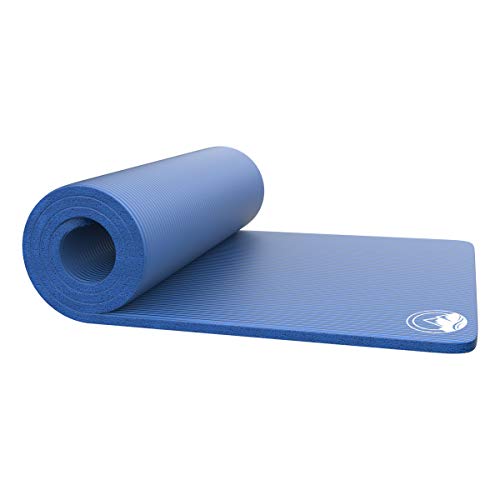
Camping Pad for Under Sleeping Bag: The Complete Guide
Your sleeping bag keeps you warm, but your camping pad keeps you comfortable and insulated from the cold ground. Discover how to choose the perfect pad for your next adventure.
VIEW TOP PICKSWhy a Camping Pad Matters: A sleeping bag provides warmth by trapping air, but the ground will steal your body heat through conduction. A quality camping pad creates a barrier between you and the cold earth, providing insulation (measured by R-value) and cushioning for a restorative night's sleep.
Understanding Camping Pads: More Than Just Comfort
Many new campers focus solely on their sleeping bag, but experienced outdoorsmen know that the sleeping pad is equally important. The ground is a massive heat sink; without proper insulation, even a top-tier sleeping bag will fail to keep you warm. A camping pad serves three critical functions: insulation, comfort, and protection from uneven terrain.
When selecting a pad, the most important specification is its R-value. This number measures the pad's resistance to heat flow. The higher the R-value, the better it insulates you from the cold ground. For three-season camping (spring, summer, fall), an R-value of 2.0 to 3.9 is usually sufficient. For winter or cold-weather camping, you'll want an R-value of 4.0 or higher. If you're planning a trip during colder months, consider pairing your pad with a sleeping bag for camping in winter to ensure maximum warmth.
Beyond insulation, pads offer cushioning. If you're a side sleeper, you'll need a thicker pad to prevent your hips and shoulders from hitting the ground. If you're a back sleeper, a thinner pad might suffice. For those who prioritize packability, an ultralight option might be best, but be sure to check its R-value, as some ultralight pads compromise insulation for weight savings.
Types of Camping Pads: Which One Is Right for You?
There are three main types of camping pads, each with its own advantages and ideal use cases:
1. Air Pads (Inflatable)
Air pads are the most popular choice for backpackers and campers who prioritize comfort and packability. They are inflated with air and offer excellent cushioning. However, they can be punctured, so you'll need to carry a repair kit. They also require more time to inflate and deflate. Many modern air pads use synthetic insulation to achieve higher R-values. If you're looking for a plush, comfortable sleep, an air pad is a great choice. Some models, like those found in our guide to air mattresses for camping with pump, offer built-in pumps for convenience.
2. Self-Inflating Pads
Self-inflating pads combine open-cell foam with air. When you open the valve, the foam expands and sucks in air. They offer a good balance of comfort, insulation, and durability. They are generally heavier and bulkier than air pads, making them better suited for car camping or shorter backpacking trips. A popular option is the 4-inch self-inflating sleeping pad, which provides substantial cushioning.
3. Closed-Cell Foam Pads
These are the simplest, most durable, and most affordable type of pad. They are made of dense foam and cannot be punctured. They are lightweight and can be used as a seat or for extra insulation. However, they are bulky and less comfortable than other types. They are a great choice for ultralight backpackers or as a supplement to an air pad in extreme cold. They are virtually indestructible and offer a reliable night's sleep. If you're just starting out, a foam pad can be a great entry-level option, and you can find them at the cheapest place to buy camping gear.
How to Choose the Right Camping Pad
Selecting the perfect pad involves balancing several factors. Consider these key points before making a purchase:
- R-Value: As mentioned, match the R-value to your camping season. For summer, a lower R-value is fine. For winter, go high. If you're a cold sleeper, always opt for a higher R-value.
- Weight and Packability: If you're backpacking, weight and packed size are critical. Air pads win here. For car camping, you can afford a heavier, more comfortable pad.
- Thickness and Comfort: Thicker pads (2.5 to 4 inches) offer more comfort, especially for side sleepers. If you have back pain, a thicker pad or even a mattress pad for sleeping on floor might be beneficial.
- Durability: Foam pads are the most durable. Air pads require careful handling. Consider the terrain you'll be camping on.
- Size: Pads come in various sizes, from short (torso length) to full-length and even double-wide for couples. Ensure the pad fits your sleeping bag and your body. For couples, a full size sleeping pad for camping can be a great choice.
- Pump Type: Some air pads have built-in pumps, while others require you to blow them up. Built-in pumps are convenient but add weight. A portable air pump for air mattress can be a handy accessory.
For those who want an all-in-one solution, consider an all-in-one sleeping bag and mattress, which combines the two for convenience.
Tips for Using Your Camping Pad
Once you've chosen your pad, proper usage will extend its life and improve your sleep:
- Protect Your Pad: Use a groundsheet or footprint under your tent to prevent punctures. Clear your campsite of sharp objects like rocks and twigs.
- Inflation: For air pads, avoid over-inflating. A slightly softer pad can be more comfortable. If you're using a self-inflating pad, top it off with a few breaths of air.
- Storage: Store your pad unrolled and with the valve open to prevent mold and foam degradation. This is especially important for self-inflating and air pads.
- Cleaning: Wipe your pad with a damp cloth after each trip. Avoid harsh chemicals.
- Cold Weather: In freezing temperatures, inflate your pad inside your tent to prevent moisture from freezing inside. Also, consider adding a closed-cell foam pad underneath your air pad for extra insulation. For more cold-weather tips, see our guide on how to stay warm in winter.
If you're camping with a partner, you might want to consider a pad that can be coupled with another, or a king size air mattress for camping for maximum space.
Maintenance and Repair
Even the most durable pads can get punctured. Carry a repair kit that includes patches and glue. For air pads, identify the leak by inflating the pad and listening for a hiss or submerging it in water to look for bubbles. Clean the area, apply the patch, and let it dry. For self-inflating pads, leaks are less common but can happen at the valve. A well-maintained pad can last for many seasons.
When not in use, store your pad in a cool, dry place. Avoid leaving it in a hot car, as heat can damage the materials. If you're looking for a pad that can double as a guest bed, a blow up bed with built in pump might be a versatile option.