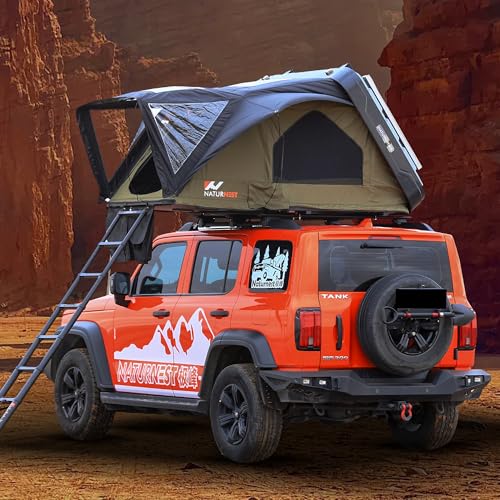
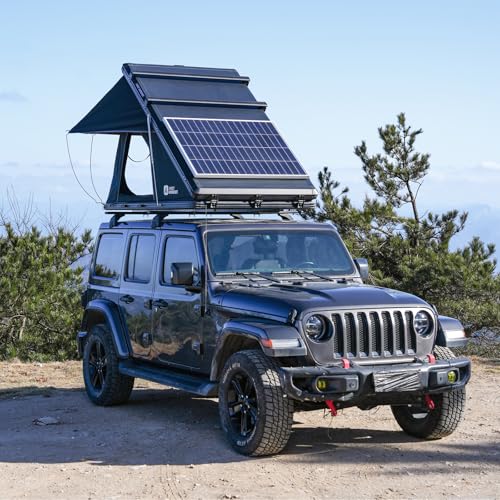
Hard Shell Rooftop Tent for Truck: The Ultimate Overlanding Shelter
Everything you need to know about choosing, mounting, and living with a hard shell rooftop tent on your truck.
START READINGWhy Trust This Guide: We've researched hundreds of overlanding setups, analyzed mounting systems, and studied material durability to bring you a comprehensive resource that helps you make an informed decision.
Why a Hard Shell Rooftop Tent for Your Truck?
For truck owners who crave adventure without sacrificing comfort, a hard shell rooftop tent represents the pinnacle of overlanding convenience. Unlike traditional soft-shell models, a hard shell rooftop tent for truck offers unmatched durability, rapid deployment, and superior weather protection. Whether you're navigating rocky trails in Moab or setting up camp in the Pacific Northwest, these tents transform your vehicle into a mobile basecamp.
The appeal extends beyond mere convenience. Hard shell designs typically feature aerodynamic profiles that reduce wind noise and improve fuel efficiency compared to their soft-shell counterparts. Their rigid clamshell construction also means your sleeping quarters remain protected from debris, UV damage, and unexpected weather events. For truck owners specifically, the elevated sleeping platform keeps you away from ground moisture, insects, and uneven terrain.
If you're exploring vehicle-based camping options, you might also consider a truck bed tent or a pop-up tent for truck bed, but a hard shell rooftop tent offers distinct advantages in setup speed and all-weather capability.
Types of Hard Shell Rooftop Tents for Trucks
Not all hard shell tents are created equal. Understanding the variations helps you match your purchase to your specific truck configuration and camping style.
Clamshell (Wedge) Design
The most common hard shell configuration, clamshell tents open like a book, with one half serving as the base and the other as the roof. These models typically sleep two adults comfortably and deploy in under a minute. The wedge shape provides excellent aerodynamics and is ideal for overlanding tent setups where quick stops are essential.
Pop-Up (Vertical) Design
These tents expand vertically, often using gas struts to raise the roof. They tend to offer more interior headroom and can accommodate additional sleeping space. Pop-up hard shells are popular among families or those who spend extended periods at camp.
Hybrid Models
Some manufacturers combine hard shell tops with soft shell walls, creating a hybrid that balances weight, space, and cost. These are excellent for truck owners who want the protection of a hard top but need the interior volume of a larger tent.
Mounting Your Hard Shell Rooftop Tent on a Truck
Proper mounting is critical for safety and performance. Trucks present unique challenges because the mounting surface may be the cab roof, a bed rack, or a custom platform.
For truck bed mounting, you'll need a robust bed rack system rated for the tent's dynamic and static weight. Many overlanders prefer mounting over the bed rather than the cab, as this distributes weight more evenly and preserves the vehicle's center of gravity. If you're considering a roof top tent mounted on truck bed, ensure your rack is compatible with your truck's bed rails.
Cab mounting is possible but requires careful attention to roof load limits. Full-size trucks often have higher payload capacities, making them suitable for roof top tent for full size truck applications. Always consult your vehicle's owner manual for dynamic and static roof load ratings.
For those who want a more integrated solution, a truck bed camper or pop-up camper for back of pickup truck might be worth exploring. However, a hard shell rooftop tent offers the flexibility of removing the tent when not in use.
Key Features to Evaluate in a Hard Shell Rooftop Tent
When comparing models, focus on these critical attributes rather than getting distracted by minor cosmetic differences.
Shell Material and Construction
Entry-level models often use ABS plastic or fiberglass, while premium and luxury tiers feature aluminum honeycomb or carbon fiber composites. Aluminum shells offer an excellent balance of weight, durability, and thermal properties. The best hard shell tents use marine-grade hardware and sealed hinges to prevent water intrusion.
Fabric and Breathability
The tent body should be made from ripstop polyester or nylon with a high waterproof rating. Look for models with ample mesh panels for ventilation. Condensation management is crucial—some tents include anti-condensation mats, and you can also purchase an anti-condensation mat for roof top tent separately.
Mattress and Comfort
Most hard shell tents include a high-density foam mattress. Premium models may feature memory foam or enhanced support systems. If you find the included mattress insufficient, consider adding a memory foam mattress topper for additional comfort.
Ladder and Access
A telescoping aluminum ladder is standard, but the attachment mechanism varies. Look for wide rungs, secure locking pins, and a design that doesn't damage your truck's paint.
Weather Resistance
Check the hydrostatic head rating of the fabric (measured in millimeters). A rating of 3000mm or higher is suitable for most conditions. For winter camping, a 4 season tent with stove jack or a dedicated winter setup may be necessary. If you're planning cold-weather adventures, review our winter camping gear guide.
Hard Shell vs. Soft Shell: Which Is Right for Your Truck?
The debate between hard shell and soft shell rooftop tents is ongoing, but the choice often comes down to your priorities.
Hard shell advantages: Faster setup (often under 60 seconds), superior aerodynamics, better protection from the elements, and typically longer lifespan. They're ideal for solo travelers or couples who move camp frequently.
Soft shell advantages: More interior space, lower entry price, and often lighter weight. They suit families or those who base camp for extended periods.
For truck owners, the aerodynamic benefit of a hard shell can translate to noticeable fuel savings on long highway drives. The rapid deployment also means you can set up camp in adverse conditions without getting soaked.
Special Considerations for Truck Owners
Trucks have unique characteristics that affect rooftop tent selection and use.
Payload and Weight Distribution
Every truck has a payload rating that includes passengers, cargo, and accessories. A hard shell rooftop tent typically weighs between 100 and 200 pounds, plus the weight of the rack. Exceeding your payload can compromise braking, handling, and safety. Always calculate your total load carefully.
Bed Length and Cab Configuration
Short-bed trucks may require specific rack systems. If you have a 6-foot bed, a slide-in truck camper for 6 foot bed is an alternative, but a rooftop tent remains more versatile for most users.
Aerodynamics and Fuel Efficiency
Hard shell tents create less drag than soft shells, but they still affect fuel economy. Mounting the tent behind the cab, rather than above it, can reduce wind resistance. Some overlanders remove the tent between trips to maximize efficiency.
Garage and Storage
Measure your garage clearance before committing to a rooftop tent. Most trucks with a tent installed will not fit in standard garages. Consider a ceiling-mounted hoist system for easy removal and storage.
Maintaining Your Hard Shell Rooftop Tent
Proper maintenance extends the life of your investment and ensures reliable performance.
Clean the shell regularly with mild soap and water. Avoid abrasive cleaners that can scratch the surface. Inspect seals and hinges annually, applying silicone lubricant as needed. Allow the tent to dry completely before closing to prevent mold and mildew.
For winter storage, ensure the tent is clean and dry, then store it in a cool, dry location. If you camp in freezing conditions, review our tips on how to stay warm in winter and consider a winter camping heater for extended trips.
Safety and Regulations
Camping in a rooftop tent involves unique safety considerations. Always use the ladder safely, especially in wet or icy conditions. Secure the tent before driving, and periodically check mounting bolts for looseness.
Follow campfire safety rules and practice Leave No Trace principles. Check local regulations regarding rooftop tent camping, as some parks have specific rules. If you're camping in bear country, follow food storage rules diligently.
Buying Guide: How to Choose the Best Hard Shell Rooftop Tent
With so many options available, narrowing your choice requires a systematic approach.
Step 1: Define Your Camping Style. Are you a weekend warrior or a full-time overlander? Your frequency of use influences the tier you should target. Entry-level models suit occasional campers, while premium and luxury tiers are built for serious adventurers.
Step 2: Measure Your Truck. Confirm your bed dimensions, roof load capacity, and available mounting points. This information determines which tents are compatible.
Step 3: Set Your Feature Priorities. Make a list of must-have features (e.g., integrated LED lighting, skylights, crossbars for gear) and nice-to-haves. This helps you compare models objectively.
Step 4: Read Reviews and Watch Videos. Real-world feedback reveals issues that spec sheets don't. Look for reviews that discuss durability, customer service, and long-term performance.
Step 5: Consider the Ecosystem. Some manufacturers offer accessories like awnings, annexes, and mounting brackets. Choosing a brand with a robust ecosystem can enhance your setup over time.
For those considering alternative truck camping solutions, explore our guides on truck bed camper options and pop-up camper for truck bed models.
Common Mistakes to Avoid
Learning from others' mistakes can save you time and frustration.
Overlooking Dynamic Load Ratings: The static weight capacity (when parked) is different from the dynamic capacity (when driving). Always prioritize dynamic ratings.
Skipping a Mattress Upgrade: The included mattress may not suit your sleep style. If you're a side sleeper, consider a mattress topper for side sleepers with hip pain.
Neglecting Ventilation: Condensation is a common issue in rooftop tents. Ensure your tent has adequate ventilation or add a portable fan for camping to improve airflow.
Forgetting Security: Lock your tent when leaving camp, and consider a personal locator beacon for remote adventures.
Frequently Asked Questions
Can I mount a hard shell rooftop tent on any truck?
Most trucks can accommodate a rooftop tent with the right rack system, but you must verify your vehicle's roof and bed load limits. Some lightweight trucks may not be suitable for heavier hard shell models.
How long does it take to set up a hard shell rooftop tent?
Most hard shell tents deploy in 30 to 90 seconds. The exact time depends on the model and whether you're adding an annex or other accessories.
Are hard shell rooftop tents worth the investment?
For frequent campers who value convenience, durability, and weather protection, yes. The time saved on setup and the superior protection often justify the higher tier compared to soft shell alternatives.
Can I use a hard shell rooftop tent in winter?
Yes, with proper preparation. Look for tents with robust weather sealing and consider a portable camping wood stove tent heater or a heater for camping in a tent in the winter. Review our winter camping safety guide for essential tips.
How do I clean and store my hard shell rooftop tent?
Clean with mild soap and water, allow to dry thoroughly, and store in a dry location. Periodically lubricate hinges and inspect seals.
Final Thoughts
A hard shell rooftop tent for truck transforms your vehicle into a capable adventure rig. By understanding the different designs, mounting options, and key features, you can select a tent that matches your needs and enhances every journey.
Whether you're planning a weekend getaway or a cross-country expedition, the right rooftop tent elevates your camping experience. Use this guide as your foundation, and explore our other resources on camping technology and camping destinations to complete your preparation.