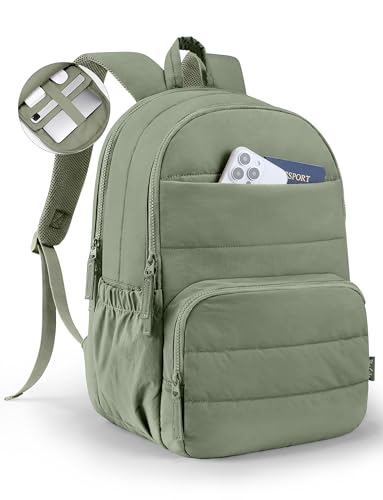
Comfortable Backpacks
Find the perfect pack for your outdoor adventures. Expert reviews, buying guides, and top recommendations to ensure you carry your gear in total comfort.
Why Comfort Matters: A comfortable backpack can make or break your outdoor experience. Whether you're hiking a rugged trail, camping for a weekend, or traveling abroad, the right pack distributes weight evenly, reduces strain, and keeps your gear organized—so you can focus on the adventure ahead.
What Makes a Backpack Comfortable?
✔ Suspension System
Look for adjustable shoulder straps, a padded hip belt, and a load-lifter system. These features transfer weight from your shoulders to your hips, reducing fatigue on long treks.
✔ Ventilation & Padding
Mesh back panels and breathable foam allow air to circulate, keeping your back cool. Ample padding on straps and hip belts prevents pressure points and chafing.
✔ Fit & Sizing
Backpacks come in torso lengths and hip belt sizes. A proper fit ensures the pack moves with you, not against you. Many brands offer men's and women's specific designs.
✔ Organization & Access
Multiple compartments, pockets, and attachment points help distribute weight and keep essentials handy. Top-loading vs. panel-loading designs affect how you pack and access your gear.
Choosing the Right Backpack for Your Needs
Selecting a comfortable backpack starts with understanding your activity. For day hikes, a lightweight pack with a capacity of 20-35 liters is often sufficient. If you're planning an overnight trip or backpacking gear is essential, consider a 40-70 liter pack that can carry your sleeping bag, tent, and cooking equipment. Hiking clothes and layering systems also affect how much volume you need.
The material and construction of your backpack play a crucial role in durability and comfort. Nylon and polyester are common, with denier (D) ratings indicating fabric thickness—higher numbers mean more abrasion resistance. Look for reinforced stitching and YKK zippers for longevity. Backpacking stores often carry a wide range of brands, so trying on multiple packs is highly recommended.
For those who value ultralight travel, minimalist packs under 2 pounds are available, but they may sacrifice padding and load-bearing capacity. Conversely, expedition packs offer robust frames and heavy-duty materials but add weight. Strike a balance based on your typical load. Camping backpacks are designed to carry heavier loads over rugged terrain, making them a solid choice for multi-day adventures.
🔍 Pro Tips for a Comfortable Fit
- Measure your torso length (from C7 vertebra to iliac crest) to find the correct pack size.
- Load heavier items close to your back and centered between your shoulder blades.
- Adjust the hip belt first—it should carry 70-80% of the weight.
- Use compression straps to stabilize the load and prevent shifting.
- Break in your backpack with a few short hikes before a long expedition.
Top Backpack Styles for Comfort
Daypacks (15-35L) are ideal for short hikes, city travel, and as a carry-on. They're lightweight and often feature hydration compatibility. Hiking stores offer a variety of daypacks with different suspension systems.
Multi-day backpacks (40-70L) are the workhorses of backpacking. They include robust frames, multiple access points, and adjustable torso lengths. Hike supply experts recommend these for 3-5 day trips in the backcountry.
Travel backpacks often feature panel-loading (like a suitcase) for easy packing and airport security. Many have laptop sleeves and lockable zippers. Travel camping guides often suggest these for hybrid adventures that combine urban exploration with outdoor excursions.
Ultralight backpacks (under 2.5 lbs) appeal to minimalist hikers who prioritize weight savings above all. They typically have simple frames and fewer pockets. Camping gear specialists often debate whether the weight savings justify the reduced comfort for heavier loads.
How to Test a Backpack for Comfort
- Load it up: Fill the pack with 10-15 lbs of gear to simulate real conditions.
- Wear it for 10 minutes: Walk around the store, climb stairs, and bend over.
- Check pressure points: Shoulders, hips, and back should feel supported, not pinched.
- Test the hip belt: It should wrap around your iliac crest, not your waist.
- Adjust the load-lifters: They should angle between 45-60 degrees from your shoulders.
Ready to find your perfect backpack? Whether you're a day hiker, weekend warrior, or thru-hiker, choosing a comfortable backpack is the most important gear decision you'll make. Use this guide to narrow down your options, then explore the recommended products below to make an informed purchase.