Canoe Camping: The Ultimate Guide to Paddle-In Adventures
Discover the freedom of exploring remote waterways, pristine lakes, and hidden campsites accessible only by paddle. Your complete guide to gear, skills, and unforgettable canoe camping destinations.
EXPLORE THE GUIDEWhy Canoe Camping? Unlike car camping where your vehicle carries the load, canoe camping combines the simplicity of backpacking with the unique advantage of water transport. Your canoe becomes both your vehicle and your gear hauler, allowing you to bring slightly more comfort while still escaping the crowds. The reward? Campsites that most people will never see, sunsets over glassy water, and a profound sense of self-reliance.
What Is Canoe Camping and Why Should You Try It?
Canoe camping is a form of wilderness camping where you travel to your campsite primarily by canoe. You load your camping gear into a canoe, paddle across lakes, down slow-moving rivers, or through coastal inlets, and set up camp at designated or dispersed sites along the waterway. It sits somewhere between car camping and backpacking on the comfort-versus-effort spectrum.
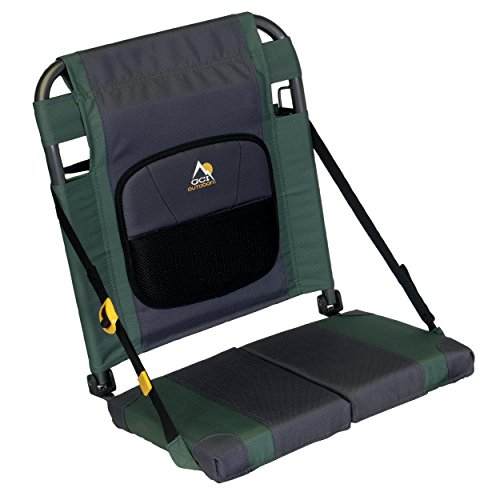
The appeal is undeniable. A canoe can carry significantly more weight than a backpack, which means you can bring a camping sleeping bag with extra loft, a more substantial camping tent with ventilation for humid conditions, and even a few luxury items like a comfortable camping chair. Yet you still leave the road behind, accessing campsites that require genuine effort to reach.
For those who have mastered basic camping tips and are looking for the next challenge, canoe camping offers a natural progression. It builds on familiar skills while adding navigation, paddling technique, and water safety to your repertoire. If you have ever wondered whether campground vs wild camping is the right choice for you, canoe camping often represents the best of both worlds: designated sites in wild settings.
🚣 Access Remote Locations
Reach campsites that are impossible to access by car and impractical to reach on foot. Paddle-in sites offer solitude and pristine nature.
🎒 Carry More Comfort
A canoe can typically carry 400-600 pounds of gear and paddlers. Bring that extra tent, better food, and a few luxuries.
🌅 Unique Perspectives
Experience sunrises over misty lakes, observe wildlife from the water, and camp on islands or remote shorelines.
💪 Physical & Mental Benefits
Paddling provides excellent low-impact exercise while the immersion in nature reduces stress and builds confidence.
Essential Canoe Camping Gear: What You Need
Packing for canoe camping requires a different mindset than either car camping or backpacking. Weight matters less than volume and waterproofing. Everything you bring must fit into your canoe efficiently and survive potential splashes or, in worst-case scenarios, a capsize. Here is how to think about your gear in tiers.
🏕️ Shelter & Sleep System
- A quality camping tent with ventilation is essential for managing condensation in humid water environmentsmid-range
- Your camping sleeping bag should match the season; synthetic fills handle damp conditions better than downmid-range
- Consider a camping sleeping bag liner for added warmth and to keep your bag cleanentry-level
- A lightweight camping shelter or tarp for gear storage and rain protectionentry-level
- Inflatable sleeping pad or comfortable hiking sleeping pad for insulation from cold groundmid-range
🍳 Cooking & Kitchen
- A reliable camping stove with enough fuel for your trip; liquid fuel stoves perform better in coldmid-range
- Cookware that nests efficiently; a camping recipes plan helps you pack only what you needentry-level
- Water filter or purification system; never rely on untreated lake or river watermid-range
- Collapsible water containers to reduce bulk when emptyentry-level
- Bear-resistant camping storage solutions appropriate for your regionmid-range
👕 Clothing & Personal Items
- A camping rain jacket is non-negotiable; water splashes and rain are inevitablemid-range
- Quick-dry clothing; avoid cotton which stays wet and saps warmthentry-level
- Water shoes or sandals with secure straps for portages and shore landingsentry-level
- A camping shower or camping shower toilet changing room tent for privacy and hygienemid-range
🦺 Safety & Navigation
- PFD (Personal Flotation Device) for every paddler; this is non-negotiablemid-range
- A comprehensive emergency kit including first aid suppliesentry-level
- Emergency communication devices such as a satellite messenger or PLBpremium
- Navigation tools: waterproof map, compass, and possibly a best handheld GPSmid-range
- Throw rope and rescue gear for swift water situationsmid-range
🛶 Canoe-Specific Equipment
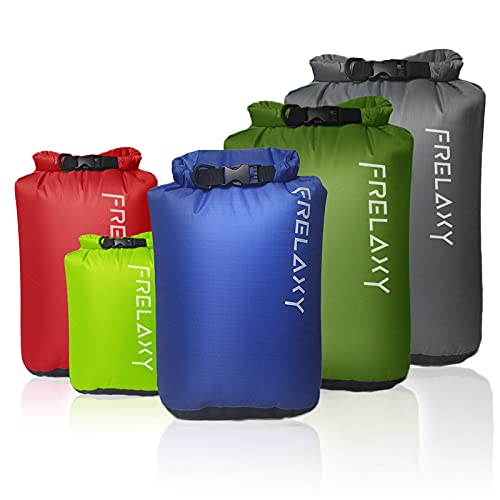
- Dry bags in multiple sizes; everything that must stay dry goes in oneentry-level
- Paddles: bring a spare; consider bent-shaft for efficiency on flat watermid-range
- Portage yoke or cart for carrying the canoe over landmid-range
- Bow and stern lines for securing the canoe at campentry-level
- A bailer or bilge pump for removing waterentry-level
Canoe Camping Tips for Beginners and Beyond
Even experienced campers find that canoe camping presents unique challenges. These tips will help you avoid common mistakes and enjoy your paddle-in adventure to the fullest.
Pack for Balance, Not Just Weight
Distribute weight evenly along the canoe's length and keep the center of gravity low. Heavy items go in the middle, lighter gear toward the ends. Secure everything with lines so a capsize does not mean losing your gear. Use camping storage bags and camping storage bins to organize and protect your equipment.
Practice Your Portage Technique
Many canoe routes require carrying your boat and gear over land between waterways. Before your trip, practice lifting and carrying your canoe. A properly fitted yoke makes a massive difference. Wear sturdy footwear, not sandals, for portages. Pack your gear so it can be carried in two or three trips.
Master Basic Paddling Strokes
The forward stroke, J-stroke, and sweep strokes are fundamental. If you are new to paddling, take a lesson or practice on calm water before committing to a multi-day trip. The J-stroke is particularly important for solo paddlers who need to maintain a straight course without switching sides constantly.
Plan Around Weather and Wind
Wind is the canoe camper's greatest challenge. Paddle early in the morning when water is calmest. Have a contingency plan for windy days: either wait it out or have a sheltered route option. Check camping weather alerts before and during your trip.
Leave No Trace on Waterways
Follow Leave No Trace principles rigorously. Pack out all trash, use established fire rings only, and camp at least 200 feet from water sources when dispersed camping is allowed. Water ecosystems are fragile and easily damaged by careless camping practices.
Know the Regulations
Different waterways have different rules. Some require permits, some restrict camping to designated sites, and others have specific fire regulations. Research camping regulations and check whether you need to make a reservation before you go. BLM camping rules, national park rules, and state park rules all apply to different waterways.
⚠️ Canoe Camping Safety: Critical Considerations
- Always wear your PFD. Most canoeing fatalities involve drowning, and most of those victims were not wearing a life jacket. No exceptions.
- Never paddle alone in remote areas. The minimum safe group size for wilderness canoe trips is three people. If one person is injured, one can stay with them while another goes for help. Read about whether camping alone is safe for more context.
- Learn to self-rescue and assisted rescue. Practice capsize recovery in shallow, calm water before your trip. Know how to re-enter a swamped canoe or perform a canoe-over-canoe rescue.
- Carry proper communication devices. Cell service is unreliable in remote areas. A satellite communicator or emergency beacon can save your life. Learn about emergency communication options.
- Respect cold water. Water conducts heat 25 times faster than air. Even in summer, cold water immersion can lead to hypothermia rapidly. Dress for the water temperature, not the air temperature. Read about preventing frostbite and hypothermia.
- Check water levels and currents. Rivers can change dramatically with rainfall. What was a gentle stream yesterday can become dangerous whitewater today. Know what to do if you get lost and always have an emergency plan.
Best Canoe Camping Destinations
North America offers countless world-class canoe camping opportunities. From the Boundary Waters to the Everglades, here are some of the best regions to plan your next paddle-in adventure.
Boundary Waters Canoe Area, Minnesota
Over one million acres of protected wilderness with over 1,000 lakes connected by portage trails. The definitive canoe camping destination in the United States.
Explore camping spots →Adirondacks, New York
The largest protected area in the contiguous US offers extensive canoe routes, including the famous Northern Forest Canoe Trail. Great for both beginners and experts.
Adirondacks camping guide →Florida Springs and Rivers
Crystal-clear spring-fed rivers offer year-round paddling with abundant wildlife. The Suwannee and Silver Rivers are classic canoe camping routes.
Florida springs camping →Maine's North Woods
Remote lakes and rivers with excellent fishing and wildlife viewing. The Allagash Wilderness Waterway is a bucket-list canoe trip.
Maine camping guide →Ozark National Scenic Riverways, Missouri
Missouri's Ozarks offer gentle floating rivers ideal for beginner canoe campers. The Current and Jacks Fork rivers are particularly popular.
Ozarks camping →Boundary Waters, Quetico, and Beyond
For the ultimate wilderness experience, consider a multi-week expedition in Canada's Quetico Provincial Park or the Yukon's remote rivers.
Best camping places →When to Go Canoe Camping
Timing your canoe camping trip is critical. Unlike car camping, where you can simply drive home if conditions turn bad, a canoe trip in poor conditions can become genuinely dangerous. Understanding seasonal patterns helps you plan a safer, more enjoyable adventure.
Late spring through early fall is prime canoe camping season in most of North America. In northern regions, ice-out typically occurs in May, and paddling season runs through September. Southern regions offer year-round paddling, though summer heat and afternoon thunderstorms require planning. If you are considering cold weather camping, canoe trips require significantly more experience and gear, including winter camping gear and knowledge of frozen lake safety.
Shoulder seasons—late spring and early fall—often provide the best combination of comfortable temperatures, fewer bugs, and fewer crowds. However, water can be higher and currents stronger in spring runoff. For the most enjoyable experience, aim for mid-summer in northern regions and spring or fall in southern areas.
Canoe Camping FAQ
It depends on where you go. Many popular canoe camping areas, including the Boundary Waters Canoe Area Wilderness and some Florida state parks, require permits or reservations. Others, particularly some BLM and national forest lands, allow dispersed camping without permits. Always check with the managing agency for your specific destination. Review camping regulations for general guidance, and check BLM camping rules and national park rules as applicable. Our guide on whether you need a reservation can help you determine what applies to your trip.
For most canoe campers, a 16- to 17-foot tandem canoe made from lightweight composite materials or quality polyethylene offers the best balance of capacity, stability, and portability. Solo paddlers often prefer 14- to 15-foot canoes. Entry-level canoes are typically heavier and less efficient to paddle, while premium canoes are lighter and track better but cost significantly more. Consider your typical water conditions, portage frequency, and budget tier when choosing.
A typical 16-foot canoe has a capacity of 800-1,000 pounds, but this includes the weight of paddlers. Realistically, plan on 150-250 pounds of gear for a tandem canoe with two paddlers. This is substantially more than you can carry in a backpack, allowing for more comfortable camping gear. Remember that volume can be as limiting as weight—everything must fit efficiently and leave room for paddlers to move.
Dry bags are essential. Pack everything that must stay dry—sleeping bag, clothing, electronics, food—in quality dry bags. Use multiple smaller dry bags rather than one giant one; this makes packing easier and limits potential water damage if one bag fails. Line your canoe pack or camping backpack with a heavy-duty trash bag as an extra layer of protection. Secure all gear to the canoe with lines so it does not float away in a capsize.
Many canoe campers bring their dogs, and well-behaved dogs can be excellent companions on the water. However, check regulations first—some areas prohibit dogs, and others require leashes at all times. Your dog should have a properly fitted PFD, should be comfortable in the canoe, and should not disrupt wildlife. Read our guide on camping with dogs for more detailed advice on bringing your furry friend along.
Stay calm, stay with the canoe if possible, and prioritize your own safety over gear. If you are near shore, swim the canoe to shallow water and empty it. If you are far from shore, right the canoe if possible and re-enter, or stay with the swamped canoe—it provides flotation. This is why practicing rescue techniques before your trip is essential. Never attempt a canoe camping trip in conditions beyond your skill level. Review what to do if you get lost and emergency SOS signals for worst-case scenarios.
Canoes are open-top boats that carry gear more easily and accommodate two paddlers comfortably. Kayaks are typically faster, more seaworthy in rough conditions, and easier for solo paddlers. Canoe camping generally allows more gear capacity and is better suited for flatwater and gentle rivers. Kayak camping excels on open water and in conditions where speed and seaworthiness matter. Read our kayak camping guide for comparison.
Yes, with proper preparation. Start with short, easy trips on calm water and established campsites. Go with experienced paddlers for your first few trips. Practice paddling and rescue skills before heading into remote areas. Our first time camping tips and camping tips apply to canoe camping as well. The learning curve is manageable, and the rewards are immense.
Ready to Start Your Canoe Camping Adventure?
Now that you understand the gear, skills, and planning involved, it is time to put that knowledge into action. Start with a short overnight trip on a local lake or calm river, then gradually expand your horizons.
Review the Gear ChecklistFinal Thoughts: The Magic of Paddle-In Camping
Canoe camping offers something increasingly rare in the modern world: genuine solitude in pristine natural settings. When you paddle away from the boat launch, you leave behind the noise, the crowds, and the distractions. What remains is the rhythm of your paddle, the call of loons, and the satisfaction of reaching a campsite under your own power.
The skills you develop—navigation, paddling technique, wilderness judgment—carry over into every other outdoor pursuit. The confidence you build with each successful trip is profound. And the memories—sunrises over misty lakes, wildlife sightings from the water, evenings by a crackling fire—stay with you forever.
Whether you are an experienced backpacker looking to carry a bit more comfort, a car camper ready for a new challenge, or a complete beginner drawn to the water, canoe camping has something to offer. Start planning your trip today. The water is waiting.