Cold Weather Camping: Gear, Skills & Safety for Sub-Zero Adventures
Stay warm, sleep soundly, and explore winter landscapes with confidence. Our complete guide covers insulated tents, winter sleeping bags, layering systems, and essential safety protocols for freezing conditions.
Jump to Winter Gear❄️ Cold Weather Camping Philosophy: Winter camping isn’t about suffering – it’s about preparation. With the right gear and knowledge, sub-zero nights become unforgettable adventures. We’ll help you choose the best winter sleeping bags, 4-season tents, and layering systems so you can focus on the beauty of snow-covered landscapes.
Why Cold Weather Camping?
Cold weather camping offers solitude, pristine scenery, and a unique connection to nature. With fewer crowds and quieter trails, winter is the perfect time to explore national parks and backcountry areas. However, camping in sub-freezing temperatures requires specialized winter camping gear and a solid understanding of how to stay warm, dry, and safe.
Essential Cold Weather Gear
| Gear Category | Key Features | Recommended Spec |
|---|---|---|
| Winter Tent | 4-season, sturdy poles, snow skirts, low venting | Dome or tunnel, aluminum poles |
| Sleeping Bag | Down or synthetic, rated for -10°F to -30°F | EN comfort rating ≤ 0°F |
| Sleeping Pad | High R-value (≥ 5.0), insulated | Closed-cell foam + inflatable |
| Layering System | Base (wool/synthetic), mid (fleece/light puffy), outer (wind/waterproof shell) | 3-layer system |
| Winter Boots | Insulated, waterproof, high ankle, removable liner | Rated for -20°F |
| Stove & Fuel | White gas or multi-fuel, stable in cold | Primus, MSR WhisperLite |
| Hydration | Wide-mouth bottles, insulated hose, or thermos | Nalgene + neoprene cozy |
For a deeper dive, check our detailed winter tents guide and winter sleeping bags recommendations.
Mastering the Layering System
Proper layering is the cornerstone of cold weather camping. Start with a base layer (wool or synthetic) that wicks moisture. Add an insulating mid-layer like a fleece or lightweight puffy jacket, and finish with a windproof/waterproof shell to block the elements. Avoid cotton – it traps moisture and accelerates cooling. Learn more about winter layering techniques and choose the best winter camping boots for your trip.
Shelter & Sleeping Systems
Your tent and sleeping bag are your lifeline in freezing conditions. A 4-season tent with strong poles, a full-coverage fly, and snow skirts will keep you safe from wind and snow. Pair it with a sleeping bag rated 10–20°F below your expected low, and always use an insulated sleeping pad with an R-value of 5 or higher. For extreme cold, consider a hot tent with a stove for luxury winter camping.
Cooking & Hydration in the Cold
Staying hydrated and fueled is harder in winter. Use a white gas or multi-fuel stove – they perform better than canister stoves in sub-zero temps. Melt snow for water (always bring a backup fuel canister). Drink regularly, but avoid caffeine and alcohol, which can dehydrate you. Warm up with winter hot drink recipes and prepare hearty meals that are easy to reheat. A camping stove with a windscreen will save fuel and time.
Cold Weather Safety & Emergency Preparedness
Winter camping demands extra safety precautions. Always check the weather forecast, inform someone of your route, and pack an emergency kit with a bivy sack, fire starter, and extra food. Know the signs of hypothermia and frostbite – early detection is critical. Review our winter camping safety guide and winter emergency kit checklist before you head out.
- Carry a personal locator beacon (PLB) or satellite messenger.
- Store food securely to avoid attracting wildlife – read food storage rules.
- Know how to extinguish a campfire completely in snow.
Quick Cold Weather Checklist
- 4-season tent + snow stakes
- Sleeping bag (rated -10°F or lower)
- Insulated sleeping pad (R≥5)
- Base layer (merino/synthetic)
- Mid layer (fleece/down vest)
- Waterproof shell jacket & pants
- Winter boots + gaiters
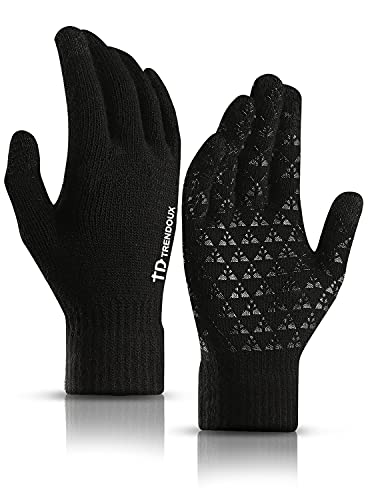
- Warm hat, balaclava, gloves
- White gas stove + extra fuel
- Wide-mouth water bottles (insulated)
- High-calorie snacks & hot drinks
- Headlamp with extra batteries
- First aid kit + emergency blanket
- Map, compass, GPS / PLB
- Snow shovel & avalanche probe (if in backcountry)
Top Winter Camping Destinations
From snowy national parks to remote backcountry huts, winter opens up incredible opportunities. Explore our best winter camping spots in the US, including Colorado’s Rocky Mountains, Yellowstone, and Canadian winter wonderlands. Always check local camping regulations and winter weather alerts before you go.
❄️ Ready to embrace the cold?
Shop winter gear →Cold weather camping is deeply rewarding – and with the right preparation, you’ll create memories that last a lifetime. For more detailed guides, visit our winter camping hub or dive into general camping tips to round out your skills.