Comfortable Hiking Sleeping Pad: The Ultimate Guide
Discover how to choose the perfect sleeping pad for backpacking, thru-hiking, or car camping. Expert reviews, key features, and top recommendations for a restful night under the stars.
Why a Comfortable Sleeping Pad Matters: After a long day on the trail, your sleep system is just as important as your tent or backpack. A high-quality sleeping pad provides insulation from the cold ground, cushions your joints, and ensures you wake up refreshed for the next day's adventure. Whether you're a ultralight thru-hiker or a weekend car camper, investing in the right pad transforms your outdoor experience.
What Makes a Sleeping Pad Comfortable?
Thickness & Cushion
Pads with 3–4 inches of thickness provide superior comfort for side sleepers and hip support, reducing pressure points.
Insulation (R-Value)
Higher R-value (3.5+) means better warmth retention. Essential for cold-weather camping and high-altitude hiking.
Weight & Packability
Ultralight options weigh under 1 lb and pack small, ideal for backpacking. Car camping pads can be heavier and more plush.
Inflation System
Self-inflating vs. air pads. Built-in pumps or pump sacks save breath and reduce moisture inside the pad.
How to Choose the Best Hiking Sleeping Pad
Selecting the right sleeping pad depends on your camping style, season, and personal comfort needs. Here are the key factors to consider:
1. R-Value – Insulation for Every Season
The R-value measures a pad's thermal resistance. For summer camping, an R-value of 1–2 is sufficient. For three-season use (spring to fall), aim for 2–4. If you plan on cold-weather camping or winter expeditions, choose a pad with R-value 4.5 or higher. Many comfortable hiking sleeping pads now offer excellent insulation without adding excess weight.
2. Thickness and Sleep Position
Thicker pads (3.5″ to 4″) are more comfortable for side sleepers and those with hip or back pain. Back sleepers may find 2.5″–3″ sufficient. If you are a restless sleeper, consider a pad with a non-slip surface or a quilted top to prevent sliding. For more tips on a good night's rest, check out our guide on camping sleeping bags and complementary sleep accessories.
3. Weight and Packed Size
For backpacking and thru-hiking, every ounce counts. Ultralight pads weigh between 12–18 ounces and pack down to the size of a water bottle. Car camping pads can be larger and more comfortable but weigh 2–5 pounds. If you're planning a long-distance hike, consider the camping backpack that will carry your pad and other gear efficiently.
4. Inflation and Deflation
Modern sleeping pads come with various inflation systems: built-in foot pumps, pump sacks, or manual blowing. Built-in pumps are convenient but add weight. Pump sacks are lightweight and prevent moisture from your breath entering the pad. Some pads also feature a one-way valve for quick deflation. If you often camp in rainy conditions, a pad with a fast deflation system is a plus.
5. Durability and Material
Look for pads made with ripstop nylon or polyester with a high denier (e.g., 70D) for abrasion resistance. Pads with welded seams are more durable than glued ones. If you camp in rocky or desert areas, a thicker bottom fabric (e.g., 75D) will resist punctures. For extreme conditions, consider a pad with a built-in repair kit.
A comfortable hiking sleeping pad is an investment in your outdoor enjoyment. Pair it with a quality sleeping bag liner for extra warmth and hygiene, and you'll have a sleep system that rivals your bed at home.
Top-Rated Comfortable Hiking Sleeping Pads
Below is a comparison of the most popular comfortable sleeping pads for hiking and camping. Prices are approximate and based on current market averages.
| Model | Type | Thickness | R-Value | Weight | Price (USD) |
|---|---|---|---|---|---|
| Therm-a-Rest NeoAir XTherm | Air | 2.5″ | 6.9 | 15 oz | $220 |
| Nemo Tensor Insulated | Air | 3″ | 4.2 | 14.5 oz | $190 |
| Sea to Summit Ether Light XT | Air | 4″ | 3.2 | 17.5 oz | $200 |
| Exped MegaMat 10 | Self-Inflating | 3.9″ | 8.1 | 4.5 lb | $250 |
| Klymit Static V2 | Air | 2.5″ | 1.3 | 18.5 oz | $80 |
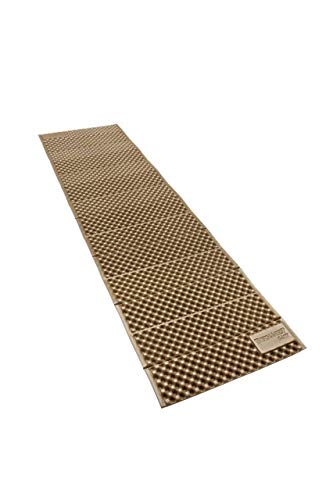
| Therm-a-Rest Z Lite Sol | Closed-Cell Foam | 0.75″ | 2.0 | 14 oz | $45 |
Prices range from $45 for a basic foam pad to over $250 for a premium insulated self-inflating mat. Choose based on your budget, expected conditions, and comfort preferences. For most three-season backpackers, an air pad with R-value 3–4 and thickness 2.5–3″ offers the best balance of comfort, weight, and warmth.
Expert Tips for a Restful Night
- Test Before You Buy: If possible, lie on the pad in-store to gauge comfort. Some outdoor retailers allow you to try pads.
- Use a Groundsheet: Place a camping ground sheet under your pad to protect it from punctures and keep it clean.
- Inflate Properly: Over-inflating can cause discomfort; under-inflating reduces insulation. Follow the manufacturer's recommendations.
- Pair with a Pillow: A compact camping pillow or a stuff sack filled with clothes can greatly enhance sleep quality.
- Keep it Clean: After each trip, dry your pad completely and store it with the valve open to prevent mold and material degradation.
Ready to Upgrade Your Sleep System? A comfortable hiking sleeping pad is just one part of the equation. For a complete setup, explore our guides on sleeping bags, camping mats, and camping pillows. And if you're planning a multi-day trek, don't miss our backpack selection guide to carry everything comfortably.