The Complete Guide to Camping Stoves: Choose, Use, and Cook Like a Pro
From boiling water for morning coffee to cooking gourmet meals in the wilderness, a great camping stove is the heart of your outdoor kitchen. Discover the best stoves for car camping, backpacking, and everything in between, plus expert tips to elevate your campsite cooking.
SHOP TOP RATED STOVESWhy Your Stove Matters: Your camping stove isn't just a cooking tool; it's the central hub of your campsite. Whether you're a weekend warrior or a seasoned overlander, choosing the right stove can transform your outdoor experience, turning a simple meal into a highlight of your trip. Let's find your perfect match.
Choosing Your Camping Stove: Types and Fuel
Selecting the right camping stove starts with understanding the main types and their ideal use cases. This will help you narrow down your choices based on your style of camping.
🏕️ Car Camping Stoves
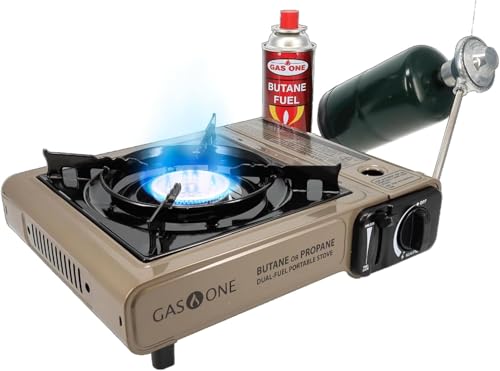
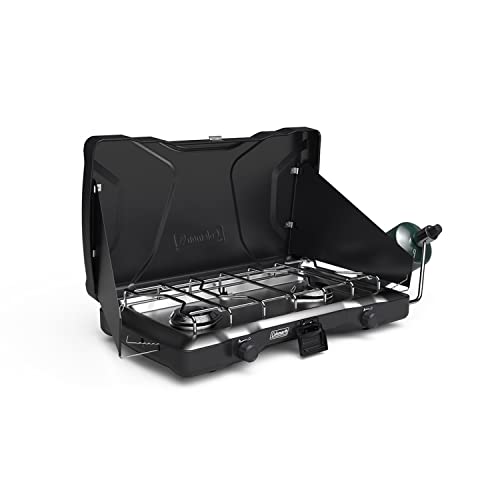
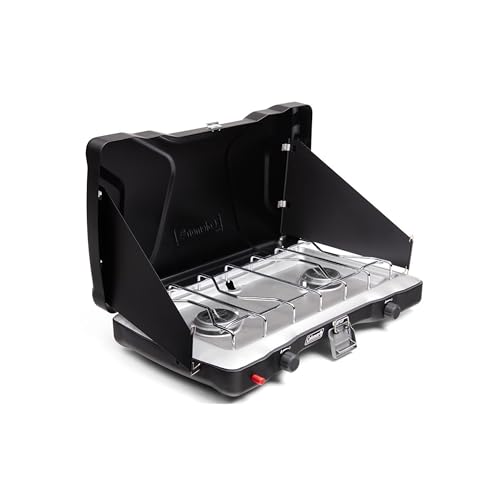
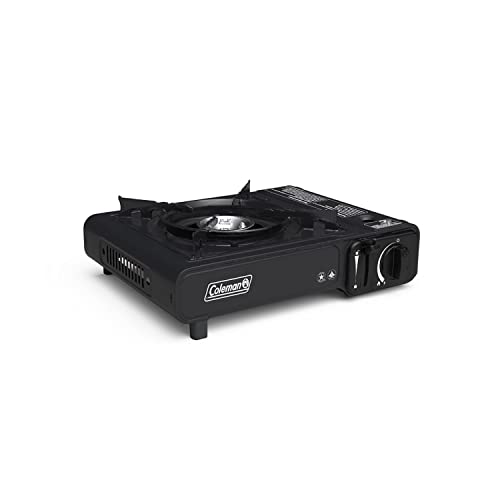
These are the workhorses of the campsite. Typically feature two or more burners, are fueled by propane or butane, and offer excellent heat output and simmer control. They are heavier and larger but provide a home-like cooking experience.
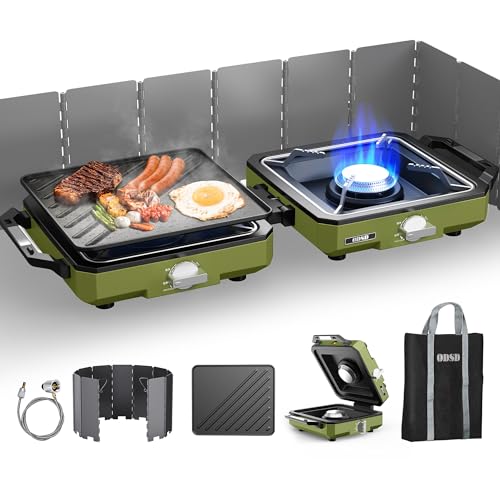
Ideal for family camping, group trips, and basecamp setups where weight isn't a primary concern. Popular models often include features like windshields, griddles, and large cooking surfaces. For families or groups, a camping kitchen setup can complement your stove perfectly.
🥾 Backpacking Stoves
Designed for hikers and backpackers who need to save weight and space. These are compact, lightweight, and often screw directly onto a small isobutane canister. They are simple to set up and highly efficient for boiling water for dehydrated meals or a quick brew.
Prioritize weight, boil time, and stability. If you're planning a day hike or a multi-day trek, this is your go-to. Consider pairing with a lightweight sleeping bag to keep your pack manageable.
⛰️ Expedition & Liquid Fuel Stoves
For serious adventurers heading into extreme conditions. Liquid fuel stoves run on white gas, kerosene, or multi-fuel blends. They perform reliably in freezing temperatures and at high altitudes, where gas canisters can fail.
They require more maintenance, including priming and pumping, but offer unmatched reliability. This is a key piece of kit for winter camping and mountaineering.
🔥 Specialty Stoves
This category includes wood-burning stoves, alcohol burners, and integrated canister systems (like Jetboil). Wood stoves are perfect for a rustic, off-grid experience, while integrated systems are incredibly fast and efficient for boiling water.
Alcohol stoves are the lightest and simplest option for minimalist camping. For a touch of comfort, you might even consider a camping bar to keep your cooking area organized. Remember to always check campfire regulations if using a wood stove.
Which Fuel Is Right for You?
Choosing the right fuel is as important as choosing the stove itself. The table below breaks down the key differences between the most common camping stove fuels [citation:7].
What Makes a Great Camping Stove?
Beyond the type and fuel, several key factors determine the performance and usability of a camping stove. Understanding these will help you make an informed decision [citation:1][citation:5].
🔥 Heat Output (BTU)
Measured in British Thermal Units (BTUs), this indicates the stove's power. A higher BTU number generally means a faster boil time. However, a stove with 10,000 BTUs per burner is standard for car camping, while high-output models can go over 15,000 BTUs for searing and cooking in windy conditions. For example, the Camp Chef Pro 14 has a powerful output but less precise simmer control compared to models like the Primus Alika [citation:1][citation:3].
🍳 Simmer Control
Being able to simmer is crucial for cooking more than just boiled water. Look for stoves with a wide range of flame control. The best stoves allow you to turn the heat down low enough to melt chocolate or cook a delicate sauce without burning. Models like the Jetboil Genesis and Primus Alika have excellent simmer control with a wide rotation angle for fine-tuning heat [citation:1][citation:5].
💨 Wind Resistance
Wind is the enemy of camp stove efficiency and can quickly waste fuel. A good stove will feature built-in, effective windscreens to protect the flame. Stoves with recessed burner heads also perform better in breezy conditions. The Coleman Cascade Classic, for instance, offers decent wind protection, while the GSI Selkirk 540+ is known to be more susceptible to wind [citation:3][citation:13].
Top Camping Stoves: A Quick Overview
Based on expert reviews and testing, here are some top contenders across different categories to give you a sense of what's available and at what price [citation:1][citation:3][citation:13].
- Coleman Cascade Classic: Best for budget. Two 10,000-BTU burners, reliable and simple. ~$130 [citation:13].
- Camp Chef Everest 2X: Two powerful burners, excellent simmer control. ~$150 [citation:1].
- Primus Kinjia: High performance, great design. ~$250 [citation:1].
- MSR PocketRocket Deluxe: Top ultralight backpacking stove. Compact, fast, and reliable. ~$85 [citation:12].
- Jetboil Flash: Integrated system, super-fast boil time. ~$145 [citation:12].
- Zempire Stealth-Jet Wide: Ultra-slim profile, great for families. Up to 10,000 BTU per burner. ~$210 [citation:14].
For more budget-friendly car camping options, consider models like the Coleman Cascade 18 or GSI Selkirk 540+ [citation:13]. For those planning extended trips or winter expeditions, a winter camping heater might be a valuable addition.
Campsite Cooking Tips & Maintenance
A great stove is just the beginning. Mastering a few techniques will make your campsite meals memorable [citation:10].
- Prep at Home: Chop vegetables, pre-mix spices, and pre-cook rice or pasta at home. This saves time and fuel at the campsite.
- Master One-Pot Meals: These are the bread and butter of camp cooking. Everything cooks in one pan, reducing cleanup and fuel use. A hearty pasta or a savory curry works perfectly.
- Use a Lid: Always cover your pot. This traps heat and can reduce boiling time by up to 25%, saving you precious fuel.
- Post-Trip Cleaning: Give your stove a quick clean after every trip. Wash the pan supports and drip trays, wipe down the burner area, and clear the burner jets with a thin needle if the flame is uneven [citation:9].
For a more comprehensive setup, consider how a camping stove integrates with your overall camping kitchen, or explore other essential camping items and camping essentials.
Camp Stove Safety: A Quick Guide
Safety should always be your top priority when dealing with fire and fuel. Here are the golden rules for camp stove safety [citation:6][citation:8].
- Never Cook Inside a Tent: This is a critical rule. Carbon monoxide poisoning is a severe and often fatal risk. Always cook in a well-ventilated area outside [citation:2].
- Check for Gas Leaks: Before your trip, especially if your gear has been in storage, test for gas leaks by brushing soapy water on connections. Bubbles indicate a leak, which needs to be fixed before use [citation:9].
- Be Aware of Recalls: Stay informed about product safety. For example, certain Ozark Trail tabletop butane stoves were recalled in late 2025 due to explosion and burn hazards [citation:8].
- Store Safely: Never store your stove with a gas canister attached. Store in a dry, cool place [citation:9].