Master Your Gear with the Best Camping Storage Bags
Discover the ultimate guide to camping storage bags. Learn how to choose, use, and maintain the perfect storage solutions to keep your gear organized, protected, and ready for any adventure.
Shop Top PicksWhy Organization Matters: A well-organized campsite is a happy campsite. Using the right camping storage bags not only protects your expensive gear from the elements but also saves you time and frustration, letting you focus on enjoying the great outdoors.
Whether you are a seasoned backpacker or a family camper, the challenge of packing and organizing gear is universal. From bulky sleeping bags to delicate cooking equipment, every item needs a safe and accessible home. This guide will walk you through the different types of camping storage solutions available, helping you choose the perfect system for your needs. We’ll cover everything from lightweight stuff sacks to heavy-duty gear totes, ensuring you have the knowledge to make a smart purchase.
Types of Camping Storage Bags
There are several specialized types of camping storage bags, each designed for a specific purpose and type of gear. Understanding these differences is the first step to a perfectly packed kit.
1. Waterproof Stuff Sacks & Dry Bags
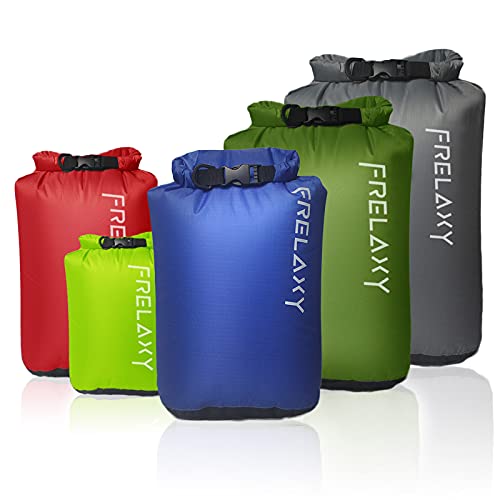
These are essential for protecting your sleeping bag, clothing, and electronics from moisture. They typically feature a roll-top closure or a drawstring and are made from materials like nylon or polyester with a waterproof coating. For instance, a high-quality set like the Tatonka SQZY Dry Bag Set offers ultralight, waterproof protection with roll closures in various sizes [citation:8]. Similarly, the Sea To Summit Lightweight Stuff Sack Set uses 70D recycled nylon with PU coating, providing 2000mm waterproofing and a colour-coding system for easy organization [citation:2]. These are perfect for keeping your sleeping bag dry on a canoe trip or storing a change of clothes in a damp tent.
2. Compression Sacks
For backpackers and hikers looking to save space, compression sacks are a game-changer. They allow you to squeeze the air out of bulky items like sleeping bags and clothing, significantly reducing their volume. The NATUREHIKE Waterproof Compression Storage Bag is a great example, using a roll-top system and durable polyamide fiber to reduce bulk while keeping gear dry [citation:4]. The Hillsound PackStack Stuff Cubes also offer a semi-compression design with waterproof YKK zippers, making them ideal for efficiently packing soft goods into a larger backpack [citation:5].
3. Camping Gear Totes & Organizers
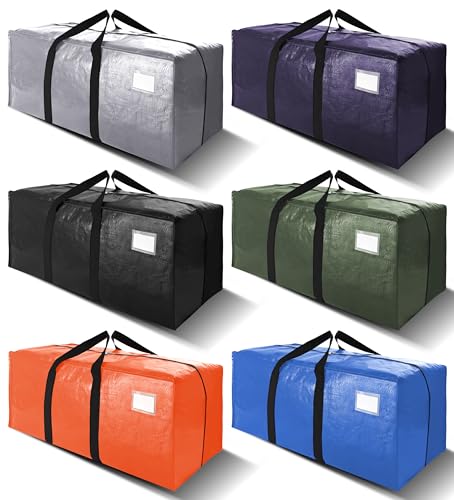
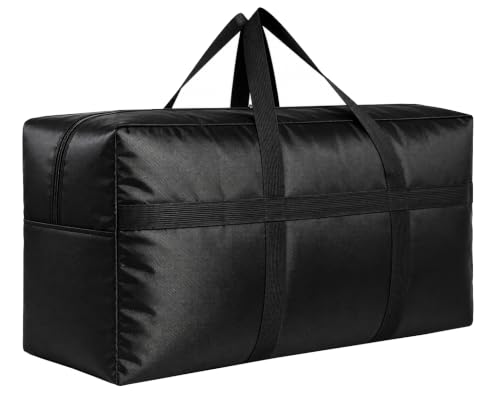
These are larger, more rugged bags designed for car camping and family trips. They often have a structured design to protect contents like cookware, stoves, and tools. The 30L Collapsible Camping Gear Storage Bin is made from durable Oxford fabric with a waterproof PVC base, perfect for organizing a camping kitchen or storing large items like a portable stove [citation:6]. Other options, like the Slimbridge Portable Camping Canvas Storage Bag, offer a clear plastic top so you can easily see what's inside, making them excellent for storing food supplies or miscellaneous gear [citation:1].
4. Packing Cubes
While often associated with travel, packing cubes are incredibly useful for camping, especially for keeping clothing and smaller items organized within a larger duffel or backpack. They help to compartmentalize your gear, making it easy to find what you need without unpacking everything. The PATIKIL Stuff Sacks are a cost-effective option in a set of three different sizes, while the Hillsound PackStack offers a more durable, waterproof option [citation:5][citation:7].
5. Specialized Storage Bags
Beyond the general types, you can find specialized bags like the CamPaq Clear Toiletry Bag for organizing bathroom essentials, or bags designed specifically to hold tent poles, stakes, and guy lines [citation:3]. Having a designated spot for these small but crucial items can save you from a lot of frustration at the campsite.
How to Choose the Right Storage Bag
Selecting the right bag depends on your camping style, the type of gear you have, and your storage conditions. Here are some key factors to consider:
- Material & Durability: For rugged use, look for bags made of durable materials like Cordura, heavy-duty Oxford fabric, or thick nylon [citation:5][citation:6]. For ultralight backpacking, prioritize lightweight, siliconized nylons [citation:8].
- Waterproofing: If you expect rain or are camping near water, a fully waterproof bag with a roll-top or taped seams is non-negotiable. Bags with PU coatings and high waterproof ratings (e.g., 2000mm) offer excellent protection [citation:2][citation:4].
- Capacity & Size: Assess the volume of your gear. Bags come in various sizes, from small 2L sacks for electronics to large 30L+ totes for cookware. Consider what you need to store and choose a size that fits without leaving too much empty space [citation:4][citation:6][citation:8].
- Closure System: Roll-top closures are generally more waterproof, while zippered options are more convenient for quick access. Ensure the zippers are robust, like the YKK zippers used on some premium models [citation:5].
- Portability: If you are backpacking, weight is critical. Compression sacks and lightweight stuff sacks are ideal. For car camping, you can prioritize ruggedness and organization over weight.
Tips for Using Storage Bags Effectively
Using your storage bags correctly will maximize their lifespan and effectiveness. Here are a few pro-tips:
- Colour Code Your Gear: Use different coloured bags to designate specific categories of gear (e.g., blue for clothing, red for kitchen items). This makes finding things in the dark or in a crowded tent much easier [citation:2][citation:8].
- Use a Layering System: Think of your storage system like a nesting doll. Use compression sacks for bulky clothing, then store those sacks inside a larger gear tote. This maximizes space and keeps everything protected.
- Keep Essential Gear Accessible: Use smaller, easily accessible bags for items you need frequently, like headlamps, toiletries, or maps. This prevents you from digging through your entire bag to find a single item.
- Store Items Clean and Dry: Always ensure your gear is clean and completely dry before storing it for extended periods to prevent mold and mildew.
To further enhance your camping organization, consider incorporating other camping storage solutions like storage bins for your vehicle or dedicated pockets in your camping backpack. A good organizational system reduces stress and lets you enjoy the simplicity of nature.
Investing in high-quality camping storage bags is an investment in your gear and your peace of mind. By choosing the right types for your needs and using them effectively, you can ensure your equipment lasts longer and your adventures are more enjoyable. Browse our recommended products below to find the perfect storage solutions for your next trip.