Camping Tents: The Ultimate Guide to Choosing Your Home Away from Home
Your tent is the single most important piece of camping gear you will ever buy. It shelters you from rain, wind, and insects, keeps you warm on cold nights, and serves as your base camp for every adventure. This comprehensive guide will walk you through every consideration—from capacity and season ratings to materials and setup—so you can choose the perfect tent with total confidence.
Start Your Tent ResearchUnderstanding Tent Types: Find the Right Shape for Your Needs
Not all tents are created equal. The shape and structure of a tent determine its interior space, weather resistance, weight, and ease of setup. Here are the most common tent types you will encounter:
Dome Tents
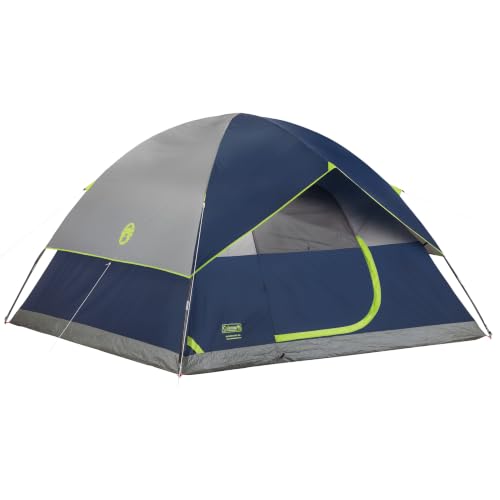
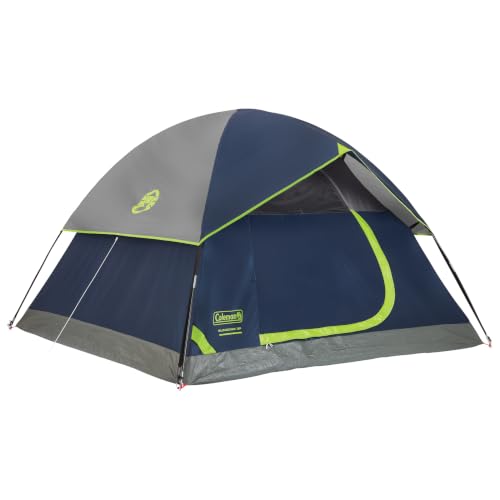
The most popular style for general camping. Dome tents use two or more crossing poles to create a freestanding structure that is easy to pitch and highly stable in wind.
- Best for: Three-season camping, beginners, families
- Pros: Freestanding, quick setup, good wind resistance
- Cons: Less headroom than cabin tents
Cabin Tents
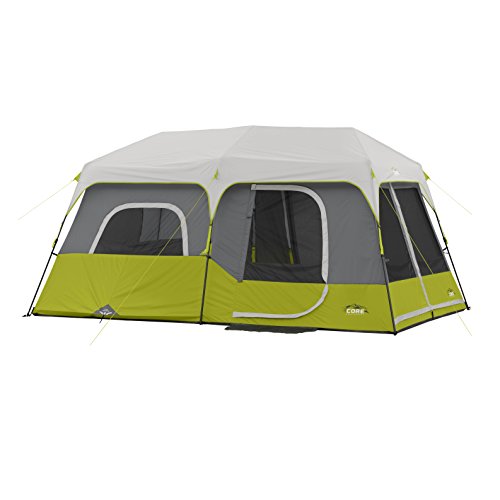
Cabin tents have near-vertical walls that maximize interior space, making them feel like a small room. They often come with room dividers and multiple doors.
- Best for: Family camping, extended stays, glamping
- Pros: Excellent headroom, roomy, can fit cots and furniture
- Cons: Heavier, less wind-resistant, slower to pitch
Backpacking Tents
Lightweight and compact, these tents are designed to be carried long distances. They prioritize low weight and small packed size over interior volume.
- Best for: Backpacking, thru-hiking, minimalist campers
- Pros: Ultralight, compact, fast to pitch
- Cons: Expensive, limited space, less durable
Instant / Pop-Up Tents
These tents use pre-assembled poles or a pop-up mechanism to set up in seconds. They are ideal for campers who want convenience above all else.
- Best for: Car camping, festivals, quick weekend trips
- Pros: Extremely fast setup, user-friendly
- Cons: Bulkier when packed, less durable
Screen Houses & Canopy Tents
These are not sleeping tents but shelters designed to provide bug-free outdoor living space. They are perfect for dining, relaxing, or as a base camp hub.
- Best for: Group camping, picnics, backyard events
- Pros: Spacious, versatile, great for daytime use
- Cons: Not designed for sleeping, heavy
Roof-Top Tents
Mounting on top of your vehicle, these tents offer a secure, elevated sleeping platform. They are popular among overlanders and road-trippers.
- Best for: Overlanding, car camping, adventure travel
- Pros: Quick setup, comfortable, keeps you off the ground
- Cons: Expensive, requires vehicle, heavy
If you are looking for a simple, reliable option for casual camping, a 4-person dome tent is a fantastic starting point. For those who need maximum space, a 6-person tent with a screen room offers the best of both worlds—sleeping quarters and a bug-free lounge area. And if you prefer a tent that sets up in seconds, explore pop-up tents for camping.
Tent Capacity: How Many People Can Really Fit?
Tent capacity ratings are based on the number of sleeping bags that can fit side-by-side on the floor—not on comfort. A "4-person" tent is technically rated for four adults, but in reality, it will feel cramped for four full-grown campers with gear. Here is a general rule of thumb:
| Tent Capacity | Best For | Comfort Level | Recommended Use |
|---|---|---|---|
| 1-Person | Solo campers, backpackers | Sleeping only | Minimalist trips, solo adventures |
| 2-Person | Couples, solo campers with gear | Comfortable for two | Weekend trips, backpacking |
| 3-4 Person | Small families, couples with a dog | Roomy for two, snug for four | Car camping, festivals |
| 6-Person | Families of four, groups of friends | Spacious for four | Family camping, base camp |
| 8+ Person | Large families, groups | Palatial for most | Extended family trips, group camping |
When in doubt, always size up. A 2-person tent is perfect for a couple, but if you want extra space for gear, consider a 2-person tent you can stand up in. For families, a 6-person instant cabin tent with an enclosed screen room provides ample space for everyone. And for the ultimate group shelter, a 10-person cabin camping tent is a game-changer.
Season Ratings: Match Your Tent to Your Climate
Tents are categorized by the seasons they are designed to handle. Choosing the right season rating is critical for your comfort and safety:
3-Season Tents
The most versatile and popular choice. These tents handle spring, summer, and fall conditions—light rain, moderate wind, and mild temperatures.
- Ventilation: Good airflow with mesh panels
- Weather Resistance: Rainfly and waterproof coatings
- Best For: Most campers, weekend trips, summer camping
4-Season Tents
Built to withstand snow, high winds, and freezing temperatures. They have fewer mesh panels and stronger poles.
- Ventilation: Limited to prevent heat loss
- Weather Resistance: Exceptional, often with snow flaps
- Best For: Winter camping, mountaineering, extreme conditions
3.5-Season Tents
A hybrid that offers the ventilation of a 3-season tent with the durability of a 4-season model. Great for cold-weather camping without extreme conditions.
- Ventilation: Adjustable, good for cold nights
- Weather Resistance: Strong, handles light snow
- Best For: Late fall, early spring, mild winter camping
If you plan to camp in cold weather, a winter tent or a four-season tent with a stove jack is essential. For hot summer nights, prioritize a tent with excellent ventilation, such as a pop-up screen tent with rain flaps. And if you camp in rainy conditions, a pop-up tent for cold and rainy weather will keep you dry.
Materials and Construction: What Makes a Tent Durable?
The materials used in a tent determine its weight, durability, and weather resistance. Here is what to look for:
Fabric: Nylon vs. Polyester
Both are synthetic and lightweight. Nylon is stronger and more abrasion-resistant but stretches when wet. Polyester is more UV-resistant and does not stretch, making it ideal for rainy climates.
- Nylon: Lighter, stronger, better for backpacking
- Polyester: More UV-resistant, better for sunny climates
- Read more: Is nylon or polyester better for tents?
Waterproof Coatings
Tents are coated with polyurethane (PU) or silicone to repel water. The hydrostatic head rating measures waterproofness—higher is better.
- Entry-level: 1,000–1,500mm hydrostatic head
- Mid-range: 1,500–3,000mm hydrostatic head
- Premium: 3,000mm+ hydrostatic head
Poles: Aluminum vs. Fiberglass
Aluminum poles are lighter, stronger, and more expensive. Fiberglass poles are heavier but more affordable and flexible.
- Aluminum: Best for backpacking, premium tents
- Fiberglass: Good for car camping, budget tents
- Carbon fiber: Ultralight, ultra-expensive, for experts
Setup and Ease of Use: How Fast Can You Pitch Your Tent?
Setup time can make or break your camping experience—especially in bad weather. Here are the key factors to consider:
Instant Tents
Pre-assembled poles or pop-up mechanisms allow setup in under a minute. Perfect for beginners and casual campers.
- Best for: Car camping, festivals, quick trips
- Example: 10-person instant cabin tent with private room
Traditional Pole Tents
Require threading poles through sleeves or clipping them to the tent body. Setup takes 5–15 minutes depending on size and experience.
- Best for: Backpacking, general camping
- Example: 4-person tent with full rain fly
Single-Pole Tents
Use a single central pole or a simple A-frame design. Extremely fast to pitch but offer limited interior space.
- Best for: Solo campers, minimalist trips
- Example: 1-person pop-up tent
If speed is your priority, look for tents labeled "instant" or "pop-up." For example, the easiest 4-person tent to set up can be pitched in under two minutes. Families may appreciate the easiest tent to set up for family camping. And if you need a tent that works on hard surfaces, check out tents that can be set up on concrete.
Quality Tiers: Understanding What You Get at Every Level
To help you navigate the market without focusing on prices, we use universal quality descriptors. Here is what each tier typically offers:
| Quality Tier | Materials | Durability | Best For |
|---|---|---|---|
| Entry-Level | Fiberglass poles, basic polyester, simple rainfly | 1–2 seasons of occasional use | Beginners, occasional campers, budget-conscious buyers |
| Mid-Range | Aluminum poles, coated polyester or nylon, full rainfly | 3–5 seasons of regular use | Weekend campers, families, casual backpackers |
| Premium | High-quality aluminum poles, ripstop nylon, taped seams | 5–10+ seasons of frequent use | Serious campers, backpackers, frequent travelers |
| Luxury | Carbon fiber or DAC poles, ultralight fabrics, welded seams | 10+ seasons with proper care | Expedition use, ultralight backpackers, professionals |
Mid-range tents typically offer the best balance of performance and durability for most campers. Entry-level models are great for trying out camping without a big commitment. Premium and luxury tents are investments that pay off over years of use. If you are wondering whether a higher-tier tent is worth it, read our guide: Are expensive tents worth it? And to understand how long a tent should last, see how long do tents last.
Special Features That Enhance Your Camping Experience
Modern tents come with a range of features designed to make camping more comfortable and convenient. Here are some of the most valuable:
Blackout Technology
Blocks sunlight to help you sleep in during summer mornings. Ideal for light sleepers and families with young children.
Built-in LED Lighting
Integrated LED lights provide convenient illumination without the need for separate lanterns or flashlights.
Screen Rooms & Porches
Extra screened areas provide bug-free space for relaxation, dining, or storing gear.
- Example: 6-person tent with screen room
Room Dividers
Create separate sleeping areas for privacy—perfect for families or groups.
- Example: 12-person 3-room instant cabin tent
Weatherproof Design
Fully taped seams, storm flaps, and reinforced corners for maximum protection against the elements.
Stand-Up Height
Some tents offer full standing height, making them feel like a real room. Great for comfort and changing clothes.
- Example: Camping tents you can stand up in
Tent Care and Maintenance: Make Your Investment Last
A well-cared-for tent can last for many seasons. Here are essential maintenance tips:
Cleaning Your Tent
Clean your tent after every trip. Use mild soap and water, and avoid harsh chemicals. Let it dry completely before storing.
- Never machine wash or dry
- Use a soft brush for stubborn dirt
- Avoid direct sunlight when drying
Proper Storage
Store your tent loosely in a cool, dry place. Avoid compressing it tightly for long periods, which can damage waterproof coatings.
- Use a mesh storage bag
- Keep away from rodents
- Store in a climate-controlled area if possible
Repairs and Re-Waterproofing
Small tears can be patched with repair tape. Over time, you may need to re-apply waterproofing spray to maintain performance.
- Carry a repair kit on trips
- Re-waterproof every 2–3 seasons
- Replace damaged poles promptly
Tent Tips for Every Camping Scenario
Camping in the Rain: Choose a tent with a full-coverage rainfly and taped seams. Set up on high ground and use a footprint to protect the floor. Read our guide: Camping in a tent in rain.
Camping in Cold Weather: A 4-season tent or a winter tent with a stove jack is ideal. Insulate with a sleeping pad and use a hot water bottle for warmth. Learn more: Camping in a tent in cold weather.
Camping with Dogs: Look for tents with durable floors and enough space for your dog to move around. Consider a tent with a vestibule for muddy paws. See: Camping with dogs in a tent.
Camping on the Beach: Sand stakes or sandbags are essential. Choose a tent with good ventilation for hot, humid conditions. Read: Setting up a tent on the beach.
Camping on a Platform: Use a freestanding tent and secure it with guy lines. Platform camping is common in some state parks. See: Setting up a tent on a platform.
Camping in Snow: Use a 4-season tent with a sturdy frame. Insulate with a snow skirt and use snow stakes. Learn more: Setting up a tent in the snow.
Popular Tent Configurations for Every Camper
Here are some of the most sought-after tent configurations and who they are best for:
- 2-person backpacking tent: Ultralight and compact, ideal for thru-hikers and minimalist campers.
- 4-person dome tent: The classic family car camping tent. Easy to pitch and spacious enough for a small family.
- 6-person instant cabin tent with enclosed screen room: Sets up in seconds, offers a bug-free lounge area, and sleeps up to six.
- 10-person cabin camping tent with enclosed screen room: The ultimate group shelter with room for cots, gear, and a dedicated screen room.
- 12-person 3-room instant cabin tent: Perfect for large families or groups who want privacy and space.
- Pop-up tent for back of pickup truck: A specialized tent that fits in a truck bed, ideal for overlanders.
- Roof-top tent for full-size truck: Elevate your camping experience with a rooftop tent that sets up in minutes.
For those who want a tent that combines convenience with comfort, explore 4-person cabin camping tent with instant setup. If you need a tent that can handle all seasons, a four-season tent with stove jack is a worthy investment. And for the ultimate glamping experience, consider glamping tents.
Frequently Asked Questions About Camping Tents
How do I choose the right tent size?
Start by determining how many people will sleep in the tent and how much gear you need to store. A good rule of thumb is to size up—a 4-person tent is comfortable for two campers with gear. Read our full guide: How to choose tent size.
What is the difference between a 3-season and 4-season tent?
3-season tents are designed for spring, summer, and fall, with good ventilation and rain protection. 4-season tents are built for winter conditions, with stronger poles, less mesh, and better insulation. Learn more about winter tents.
Are expensive tents worth it?
Premium and luxury tents offer better materials, lighter weight, and superior durability. If you camp frequently or in challenging conditions, the investment pays off. Read our analysis: Are expensive tents worth it?.
How long should a tent last?
With proper care, a mid-range tent can last 5–10 seasons, while premium tents can last 10+ seasons. Entry-level tents typically last 1–3 seasons. See our full answer: How long do tents last?.
Can I use a 3-season tent in winter?
It is not recommended. 3-season tents lack the structural integrity and insulation for winter conditions. For cold-weather camping, invest in a 4-season tent with a stove jack.
What is the best tent for a family?
Families should prioritize space, ease of setup, and durability. Cabin tents and instant tents are excellent choices. Consider a 6-person instant cabin tent or a 10-person cabin tent.
How do I set up a tent in the rain?
Use a footprint, set up on high ground, and pitch your tent quickly. A freestanding tent with a full rainfly is easiest. Read our step-by-step guide: Camping in a tent in rain.
What is the easiest tent to set up?
Instant and pop-up tents are the easiest to set up, often in under a minute. For specific recommendations, see easiest tent to set up and take down.