Camping In A Tent In Rain: The Complete Guide to Staying Dry & Comfortable
Rain doesn't have to ruin your camping trip. With the right preparation, gear, and techniques, you can enjoy a dry, cozy, and memorable outdoor adventure — even when the sky opens up.
Discover Rain Camping EssentialsWhy Rain Camping Is Worth Mastering: Some of the most peaceful, crowd-free camping experiences happen in wet weather. Rainy conditions mean fewer people, lush scenery, and the satisfying challenge of staying comfortable in nature. This guide walks you through everything — from choosing a rain-ready tent to setting up camp in a downpour and keeping your gear dry all night.
📋 What You'll Learn in This Guide
Why Camp in the Rain? The Hidden Benefits
Many campers cancel their trips at the first sign of rain — but experienced outdoors enthusiasts know that rainy camping offers unique rewards. Campgrounds and trails are quieter, wildlife is more active, and the forest takes on a lush, vibrant character that dry weather simply can't match. The sound of rain on a taut rain fly is one of camping's most soothing experiences.
The key difference between a miserable rainy trip and a magical one comes down to preparation. Campers who understand how to camp in a tent in rain properly stay dry, warm, and comfortable. Those who don't end up with soaked sleeping bags and ruined gear. This guide ensures you fall firmly into the first category.
Rain camping also builds valuable skills. Learning to read weather patterns, pitch a tent quickly in adverse conditions, and manage moisture inside a confined space translates directly to better preparedness for any outdoor emergency. It's a confidence-building experience that makes you a more capable camper overall.
Choosing the Right Tent for Rainy Conditions
Not all tents handle rain equally. The difference between a dry night and a flooded one often comes down to tent design, materials, and construction quality. When selecting a tent for wet-weather camping, focus on these critical features:
Rain Fly Coverage
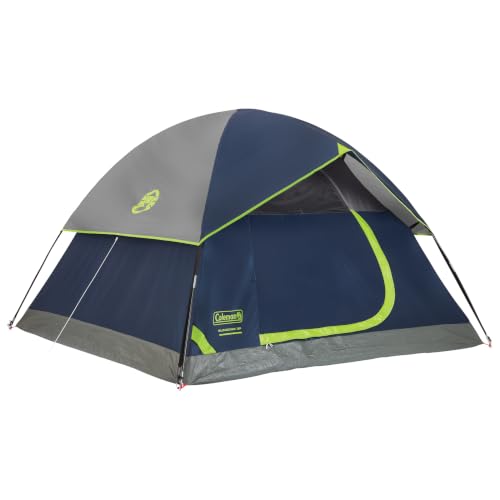
The rain fly is your tent's primary defense against rain. Full-coverage rain flies that extend nearly to the ground offer the best protection. Look for tents where the rain fly creates a vestibule or covered entry area — this gives you a dry space to remove wet boots and gear before entering the sleeping area. Models like the 4-person tent with full rain fly demonstrate how effective comprehensive coverage can be.
Hydrostatic Head Rating
The hydrostatic head (HH) rating measures how much water pressure a fabric can withstand before leaking. For serious rain camping, look for a minimum of 1,500mm on the rain fly and 2,000mm or higher on the floor. Premium tents often exceed 3,000mm, providing excellent protection during prolonged downpours.
Bathtub Floor Design
A bathtub-style floor features seams that are raised several inches above ground level, preventing water from seeping in through floor seams when water pools around the tent. This design is essential for camping in areas prone to standing water.
Tent Shape and Wind Resistance
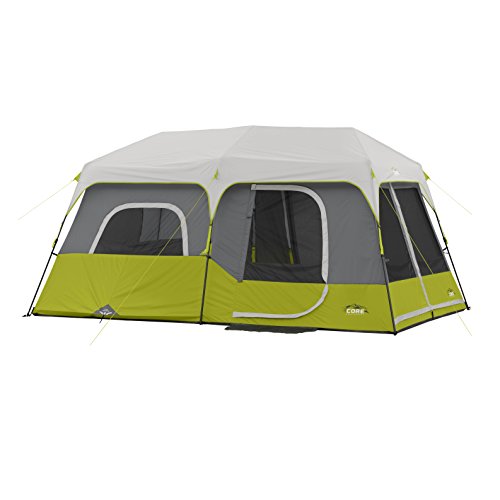
Dome and tunnel tents generally shed rain and resist wind better than cabin-style tents with large flat walls. However, modern cabin tents with enclosed weatherproof screen rooms have improved significantly and can handle rain well when properly guyed out.
| Tent Feature | Entry-Level | Mid-Range | Premium |
|---|---|---|---|
| Rain Fly Coverage | Partial, may leave exposed areas | Full coverage with vestibule | Full coverage, extended vestibule, taped seams |
| Hydrostatic Head (Fly) | 1,000–1,500mm | 1,500–2,500mm | 3,000mm+ |
| Floor Construction | Standard seams, may need sealing | Bathtub floor, taped seams | Welded bathtub floor, premium coatings |
| Ventilation | Basic mesh panels | Adjustable vents, mesh walls | High/low vents, condensation management |
| Pole Material | Fiberglass | Aluminum alloy | Aircraft-grade aluminum, DAC poles |
For those who camp frequently in wet climates, investing in a four-season tent with stove jack capability can extend your camping season and provide warmth during cold, rainy conditions. If you're new to tent camping entirely, start with our tent size guide to find the right capacity for your group.
Waterproofing & Seam Sealing Your Tent
Even high-quality tents benefit from proper waterproofing maintenance. Over time, factory-applied coatings degrade, and seams can develop pinhole leaks. Before any rainy camping trip, inspect your tent and take these protective measures:
Seam Sealing
Most modern tents come with factory-taped seams, but older tents or budget models may have untaped seams that require sealing. Use a seam sealer product designed for your tent's fabric type. Apply it to all exterior seams — especially on the rain fly and floor. Allow it to cure fully (typically 12–24 hours) before packing the tent.
Re-Waterproofing the Rain Fly
If water no longer beads up on your rain fly but instead soaks in, it's time to re-apply a DWR (durable water repellent) treatment. Wash the rain fly with a technical fabric cleaner, then apply a spray-on or wash-in DWR product. This restores the water-shedding properties and improves breathability.
Floor Protection
Always use a footprint or ground tarp beneath your tent. This sacrificial layer protects the tent floor from abrasion and adds an extra barrier against groundwater. Ensure the footprint is slightly smaller than the tent floor so it doesn't collect and channel rainwater under the tent.
Selecting a Rain-Safe Campsite
Where you pitch your tent matters as much as the tent itself. A poorly chosen campsite can turn a light drizzle into a flooded disaster. Follow these guidelines when selecting your spot:
Avoid Low-Lying Areas
Water flows downhill and pools in depressions. Avoid camping at the bottom of hills, in valleys, or in any area that looks like it might collect water. Look for slightly elevated ground with natural drainage.
Stay Away from Water Bodies
Camp at least 200 feet from lakes, streams, and rivers. Water levels can rise rapidly during rain, and flash flooding is a real danger in canyons and near dry creek beds. This is especially important when camping in a tent in rain near any water source.
Look Up Before You Set Up
Check for dead branches or "widowmakers" overhead that could fall during wind or heavy rain. Also avoid camping directly under large trees — they continue dripping water long after the rain stops, and lightning poses a risk during thunderstorms.
Consider the Wind
Exposed ridgelines and open fields offer no protection from wind-driven rain. Seek a spot with natural windbreaks like dense shrubs or a hillside, but maintain safe distance from trees and rockfall zones.
Drainage Planning
If you must camp in an area where water might pool, dig a shallow trench around your tent (where permitted) to channel water away. Many campgrounds prohibit trenching, so check regulations first. Alternatively, choose a site with sandy or gravelly soil that drains quickly.
Rain-Safe Campsite Checklist
- Ground is slightly elevated, not in a depression
- At least 200 feet from streams, rivers, or lakes
- No dead branches or widowmakers overhead
- Natural windbreak nearby (but not directly under trees)
- Soil appears well-draining (sandy, gravelly, or rocky)
- Not at the base of a cliff or steep slope
- Away from dry creek beds and flash flood zones
- Escape route available if water rises unexpectedly
How to Set Up Your Tent in the Rain
Setting up a tent in the rain requires speed, efficiency, and a methodical approach. The goal is to minimize the time your tent's interior is exposed to rain. Follow this step-by-step process:
Preparation Before You Leave Home
Practice pitching your tent in your backyard until you can do it in under five minutes. Familiarity with the process dramatically reduces setup time in adverse conditions. Consider a tent with easy setup and takedown features if you camp frequently in unpredictable weather.
Step-by-Step Setup in Rain
- Clear the area: Quickly remove rocks, sticks, and debris from your chosen spot. Lay down your footprint or ground tarp.
- Assemble poles first: If possible, assemble poles inside your vehicle or under a tarp shelter before exposing them to rain. This keeps them dry and speeds up the process.
- Stake out the footprint: Secure the corners of your footprint to prevent it from blowing away while you work.
- Pitch the tent body: Lay the tent body on the footprint and attach poles according to your tent's design. Work quickly and methodically.
- Attach the rain fly immediately: Don't wait — the rain fly is your tent's waterproof layer. Put it on as soon as the body is up.
- Guy out all points: Secure every guy line, especially those on the rain fly. This keeps the fly taut and prevents sagging that can create water collection points.
- Adjust ventilation: Open vents slightly to allow moisture from your breath to escape, but angle them so rain can't blow in. This helps prevent condensation inside the tent.
- Create a dry entry: If your tent has a vestibule, arrange your gear so you can enter without tracking water inside. Use a small towel at the entrance to wipe feet.
For a detailed walkthrough of setting up in wet conditions, see our dedicated guide on how to set up a tent in the rain. If you're camping in cold rain, the principles are similar but require additional attention to insulation and moisture management — see our guide on camping in a tent in cold weather for those specific considerations.
Sleep System & Insulation for Wet Weather
Staying warm and dry while sleeping in a rainy camping environment requires a carefully designed sleep system. Moisture is your enemy — both from outside the tent and from your own body. Here's how to manage it:
Choose the Right Sleeping Bag
Synthetic sleeping bags are superior to down in wet conditions because they retain insulating properties even when damp. If you use a down bag, ensure it's treated with a water-repellent finish and always store it in a waterproof stuff sack or dry bag. A comfortable sleeping bag for camping that matches your expected temperature range is essential.
Sleeping Pads Matter
Ground moisture and cold seep up through your sleeping bag. A quality sleeping pad with a high R-value provides insulation from the cold ground and a barrier against moisture. Closed-cell foam pads are completely waterproof and won't absorb water. Inflatable pads offer more comfort but choose one with a waterproof shell. See our guide to camping sleeping pads for detailed recommendations.
Moisture Management Inside the Tent
Your body releases up to a liter of moisture through breathing and perspiration each night. In a sealed tent, this condenses on the walls and can drip onto your sleeping bag. Combat this by:
- Opening vents to allow moist air to escape
- Not breathing directly into your sleeping bag
- Changing into dry, clean base layers before sleeping
- Using a sleeping bag liner that wicks moisture away
- Keeping wet gear outside the sleeping area or in a vestibule
Extra Insulation for Cold Rain
Rain often brings cooler temperatures. Bring an extra layer — a fleece blanket, a camping electric blanket if you have power access, or a thermal liner for your sleeping bag. A comfortable sleeping setup includes not just the bag but also proper insulation beneath and around you.
Protecting Your Gear from Rain
Keeping your equipment dry during a rainy camping trip requires organization and the right storage solutions. Wet gear is not just uncomfortable — it can lead to damaged electronics, rusted tools, and ruined clothing.
Use Dry Bags and Waterproof Sacks
Pack critical items — electronics, sleeping bag, changes of clothes, and food — in waterproof dry bags or stuff sacks. A dry bag is an inexpensive investment that can save your most important gear from water damage.
Organize with Storage Containers
Plastic bins with secure lids provide excellent protection for car camping. For backpacking, use compression sacks and pack liners. Proper camping storage and organization keeps your gear accessible and protected even in wet conditions.
Electronics Protection
Keep phones, GPS devices, and power banks in waterproof cases or sealed bags. A camping power bank stored in a dry bag ensures you can recharge devices when needed. Consider bringing a camping communication device for emergencies, especially if camping in remote areas during stormy weather.
Clothing and Boots
Wet boots are inevitable when camping in rain. Keep a dry pair of shoes and socks in a sealed bag for use inside the tent. Waterproof gaiters keep rain from running down into your boots during hikes. A camping towel — microfiber dries quickly — is useful for wiping down gear and tent walls.
Gear Protection Checklist
- Dry bags for sleeping bag and clothes
- Waterproof case for phone and electronics
- Plastic bins for car camping gear
- Waterproof stuff sack for power bank
- Dry socks and shoes stored in sealed bag
- Microfiber towel for wiping condensation
- Garbage bags as emergency rain covers
- Ziplock bags for small items and documents
Cooking & Eating in Rainy Conditions
Meals are a morale booster during rainy camping trips. A hot meal and warm drink can transform a dreary day into a cozy adventure. With the right approach, you can cook safely and efficiently even in wet weather.
Sheltered Cooking Area
Set up a cooking area under a tarp or canopy, away from your tent. Never cook inside your tent — carbon monoxide from stoves is deadly. A camping tarp or a 10x10 pop-up tent can serve as a dedicated cooking shelter. Position it so wind-driven rain doesn't blow into your cooking space.
Stove Selection
Choose a stove that performs well in wet and windy conditions. Liquid fuel stoves generally outperform canister stoves in cold, wet weather. A camping stove with a windscreen is essential — it protects the flame and improves fuel efficiency.
Simple, Warm Meals
Plan meals that are quick to prepare and warming. Soups, stews, oatmeal, and hot beverages are ideal. Freeze-dried camping food requires only boiling water and comes in waterproof packaging. For breakfast, a hot camping coffee maker provides comfort and warmth to start the day.
Food Storage and Safety
Keep food sealed in waterproof containers to prevent rain from spoiling it. Follow proper food storage rules to avoid attracting wildlife, especially in bear country. A cooler for camping keeps perishables cold and dry.
Safety & Emergency Preparation for Rainy Camping
Rain introduces specific safety concerns that every camper should understand. Lightning, flash floods, hypothermia, and slippery terrain are all elevated risks during wet weather. Preparation and awareness keep you safe.
Lightning Safety
If you hear thunder, you're within striking distance of lightning. Move away from water, high ground, and isolated trees. If caught in the open, crouch low with your feet together — don't lie flat. Your tent offers no protection from lightning; if a thunderstorm is imminent, move to a vehicle or substantial building. Review comprehensive lightning safety guidelines before your trip.
Flash Flood Awareness
Never camp in a dry wash or narrow canyon during rain, even if the rain is falling miles away. Flash floods can sweep through with little warning. Know your flash flood safety procedures and have an escape route planned.
Hypothermia Prevention
Wet and cold is a dangerous combination. Hypothermia can develop even in mild temperatures if you're wet and exposed to wind. Wear moisture-wicking base layers, stay dry as much as possible, and recognize the early signs: shivering, confusion, and fatigue. Learn more about hypothermia prevention.
First Aid and Emergency Communication
Pack a comprehensive camping first aid kit with waterproof packaging. Know how to treat common camping injuries like cuts, sprains, and blisters. Carry a way to call for help — a satellite communicator or personal locator beacon is invaluable in remote areas. Know emergency SOS signals in case you need to signal for rescue.
Fire Safety
Rain doesn't eliminate fire danger, but it does make starting a campfire challenging. Follow campfire safety rules, never leave a fire unattended, and know how to properly extinguish a campfire. Check fire ban status before your trip — bans are often in effect during dry spells, but rain doesn't automatically lift them.
After the Rain: Drying & Tent Maintenance
When you return home from a rainy camping trip, proper cleanup is essential to prevent mold, mildew, and fabric degradation. Never store a wet tent — even a slightly damp one.
Immediate Steps
- As soon as possible, set up your tent in a dry, well-ventilated area (garage, covered porch, or sunny day outdoors)
- Wipe down all surfaces with a clean, damp cloth to remove dirt and debris
- Allow the tent to air dry completely — this may take 24–48 hours
- Clean and dry the footprint, poles, and stakes
- Check for any seam separation or damage and repair as needed
Long-Term Storage
Store your tent loosely in a breathable cotton or mesh storage bag — not the original stuff sack, which is designed for backpacking, not storage. Keep it in a cool, dry place away from direct sunlight. UV exposure degrades tent fabrics over time.
When to Replace Your Tent
Even the best tents don't last forever. If your tent has persistent leaks after re-waterproofing, or if the floor has become sticky or delaminating, it may be time for a replacement. Understanding how long tents last helps you plan for replacement before your next rainy trip.
If you're in the market for a new rain-ready tent, explore our guides to camping tents and consider whether a pop-up tent for cold and rainy weather suits your camping style. For family campers, a giant family tent with rooms and living room provides space for everyone to stay comfortable during extended rainy periods.
Frequently Asked Questions About Camping in a Tent in Rain
Tents offer no protection from lightning. If a thunderstorm is approaching, leave your tent and seek shelter in a vehicle or substantial building. If no shelter is available, move away from tall trees, water, and high ground. Crouch low with your feet together. Wait at least 30 minutes after the last thunder before resuming activities.
Choose elevated ground with natural drainage. Use a footprint that's slightly smaller than your tent floor so it doesn't channel water underneath. If pooling is unavoidable, dig a shallow trench around the tent (where permitted) to redirect water away. Bathtub-style tent floors also help prevent seepage through floor seams.
Identify the source of the leak. Seam leaks can sometimes be stopped temporarily with seam sealer or even duct tape in an emergency. If the leak is significant, move your sleeping bag and gear to the driest area of the tent. In severe cases, consider relocating to your vehicle or a nearby shelter. After the trip, re-waterproof the entire tent.
Condensation is caused by moisture from your breath and body. Ventilation is key. Open vents even in rain — angle them so rain can't blow in. Don't breathe directly into your sleeping bag. Wipe down tent walls with a microfiber towel before they drip. Consider a tent with good high/low ventilation design. A anti-condensation mat can help in some setups.
Yes, a tarp can provide an additional layer of protection. However, ensure the tarp doesn't touch the tent walls, as this can transfer water through capillary action. Suspend the tarp above the tent using poles or trees, allowing air circulation between the tarp and tent. A camping tarp with grommets and guy lines works well for this purpose.
Use a synthetic sleeping bag, which retains warmth even when damp. Store your bag in a waterproof stuff sack or dry bag during the day. At night, keep it on a sleeping pad to prevent contact with tent floor moisture. Use a sleeping bag liner to wick away body moisture. Never store wet clothing inside your sleeping bag.
Set up a tarp or canopy as a sheltered cooking area. Never cook inside your tent. Use a stove with a windscreen. Prepare simple, hot meals like soups, oatmeal, and hot drinks. Keep food in waterproof containers and follow proper food storage rules.
Essentials include: waterproof tent with full rain fly, footprint, dry bags, rain jacket and pants, waterproof boots, extra dry clothing, microfiber towels, tarp for shelter, stove with windscreen, waterproof matches or lighter, headlamp with extra batteries, and a first aid kit. See our complete list of camping supplies for tent camping for a comprehensive checklist.
Yes, but be prepared for extra moisture and dirt. Bring towels to dry your dog before it enters the tent. Consider a dog sleeping pad or blanket. Keep your dog's food and water bowls outside the sleeping area. Some dogs tolerate rain better than others — know your dog's comfort level. See our guide to camping with dogs in a tent for detailed tips.
Premium tents offer better waterproofing, more durable materials, and superior ventilation — all of which matter significantly in sustained rain. However, mid-range tents from reputable brands can also perform well if properly maintained and seam-sealed. Consider whether expensive tents are worth it based on how often you camp in wet conditions and your budget. The best tent is one you trust and maintain properly.
Final Thoughts: Embrace the Rain
Camping in a tent in rain doesn't have to be a miserable experience. With the right tent, proper preparation, and a positive attitude, rainy camping can be one of the most rewarding outdoor adventures. The forest is quieter, the air is fresher, and the satisfaction of staying warm and dry while nature unleashes around you is unmatched.
Use this guide as your blueprint. Choose your gear wisely, pick your campsite carefully, set up efficiently, and manage moisture proactively. Before long, you'll be the camper who looks at the forecast, sees rain, and smiles — because you know you're prepared for whatever the sky decides to do.
Now get out there and enjoy the rain. Your dry, cozy tent awaits.