Camping in a Tent in Cold Weather
Master the art of winter tent camping. Learn how to stay warm, choose the right gear, and camp safely in freezing temperatures.
START LEARNINGCold Weather Camping Philosophy: With the right preparation and equipment, camping in cold weather can be a magical experience. The key is understanding how your body loses heat and how to trap it effectively inside your tent.
Why Camp in Cold Weather?
Camping in a tent during cold weather offers a unique and rewarding experience that warm-weather camping simply cannot match. The solitude of a snow-covered campsite, the clarity of the night sky in winter, and the satisfaction of staying warm in challenging conditions create memories that last a lifetime. Whether you are a seasoned winter camping enthusiast or a beginner looking to extend your camping season, understanding the fundamentals of cold weather tent camping is essential.
Many campers assume that cold weather camping requires expensive or specialized equipment. While having the right gear certainly helps, the most important factors are knowledge and preparation. This guide will walk you through everything you need to know, from selecting the best winter tents to mastering the techniques that keep you warm and safe throughout the night.
Understanding the Challenges of Cold Weather Camping
Before diving into gear and techniques, it is important to understand the specific challenges that cold weather presents. When you camp in a tent during cold weather, you are essentially creating a microclimate that must protect you from several environmental factors:
Heat Loss
Your body loses heat through convection, conduction, radiation, and evaporation. A tent that is not properly insulated or ventilated can actually accelerate heat loss rather than prevent it.
Condensation
When warm, moist air from your breath meets the cold surface of your tent, condensation forms. This moisture can soak your sleeping bag and clothing, making you dangerously cold.
Wind Chill
Wind dramatically increases the rate of heat loss from your body. A tent that is not properly secured or designed for cold weather can leave you exposed to chilling winds.
Limited Daylight
Winter days are shorter, meaning you will spend more time inside your tent. This makes proper lighting and entertainment essential for a comfortable experience.
Choosing the Right Tent for Cold Weather
The tent you choose is arguably the most important piece of equipment for cold weather camping. Not all tents are created equal, and using a three-season tent in winter conditions can be dangerous. Here is what to look for:
Four-Season Tents
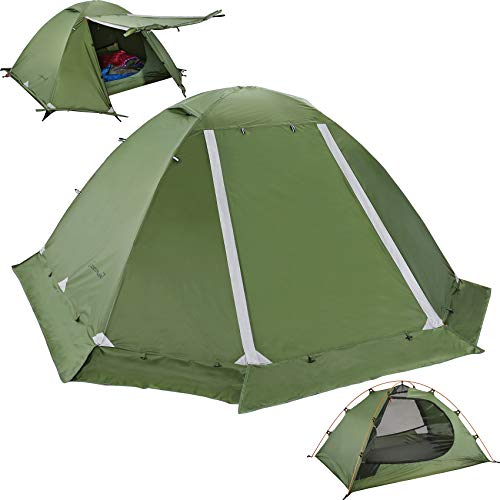
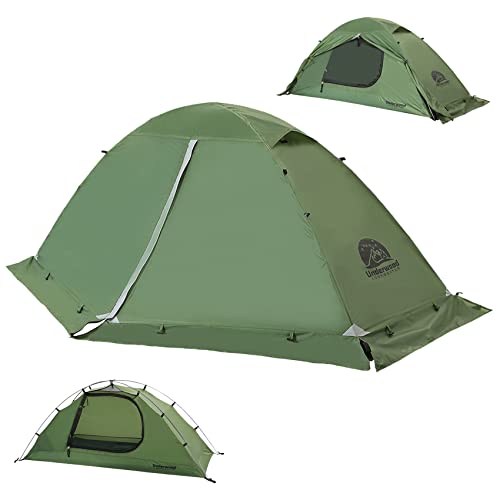
A true four-season tent is designed to handle snow loads, strong winds, and freezing temperatures. Look for models with sturdy pole structures, reinforced guy-out points, and minimal mesh ventilation. If you plan to camp in extreme cold, consider a four-season tent with a stove jack that allows you to use a wood stove inside.
Geodesic Dome Tents
Dome-shaped tents with geodesic designs are excellent for cold weather because they shed snow effectively and handle wind well. Look for models with at least three or four poles that cross at multiple points.
Tunnel Tents
Tunnel tents offer excellent protection against wind and can be pitched in a way that minimizes exposure. However, they can accumulate snow on the flat top, so you will need to clear snow regularly.
Hot Tents
Hot tents are specifically designed for winter camping with a stove jack that allows you to install a wood-burning stove. These tents provide exceptional warmth and comfort, making them a popular choice for hot tent camping enthusiasts.
When choosing a tent, also consider the capacity. A tent that is too large will be difficult to heat, while a tent that is too small will feel cramped. For cold weather camping, many experts recommend a tent that is one size smaller than what you would use in summer, as this helps retain heat more effectively.
Essential Gear for Cold Weather Tent Camping
In addition to a proper tent, you will need a range of other gear to stay warm and safe. Here is a comprehensive list of essential items:
Sleeping Bags
Your sleeping bag is your primary source of warmth at night. Look for a bag rated for temperatures at least 10 to 15 degrees colder than the lowest temperature you expect to encounter. Down sleeping bags offer the best warmth-to-weight ratio, while synthetic bags perform better in damp conditions. Check out our guide to winter sleeping bags for detailed recommendations.
Sleeping Pads
An insulated sleeping pad is critical because it prevents heat loss through conduction to the cold ground. Look for pads with an R-value of at least 4.0 for winter camping, and consider using two pads for extra insulation. A quality camping sleeping pad can make the difference between a comfortable night and a miserable one.
Heaters
While not strictly necessary, a tent-safe heater can provide extra warmth and comfort. Battery-operated heaters are the safest option for use inside a tent. For more options, see our guide to winter camping heaters and heaters for camping in a tent in the winter.
Clothing
The right clothing is essential for cold weather camping. Dress in layers using moisture-wicking base layers, insulating mid-layers, and a waterproof and windproof outer shell. Learn more about layering clothing for winter camping.
Boots
Warm, waterproof boots are essential for keeping your feet dry and comfortable. Look for boots with good insulation and a thick sole to protect against the cold ground. Read our guide to winter boots for camping.
Lighting
Since winter days are short, you will need reliable lighting for your tent. LED lanterns and headlamps are efficient and safe for use inside a tent. A camping lantern is a great addition to your gear list.
Techniques for Staying Warm in Your Tent
Having the right gear is only half the battle. How you use your gear and manage your body heat is equally important. Here are some proven techniques for staying warm in a tent during cold weather:
Insulate the Ground
The ground will draw heat away from your body faster than the air. Use a closed-cell foam pad as a base layer, then place an inflatable pad on top. You can also add a camping pad for extra insulation. For extreme cold, consider layering multiple pads or using a cot with an insulated pad on top.
Pre-Warm Your Sleeping Bag
Before getting into your sleeping bag, do some light exercise like jumping jacks or push-ups to warm up your body. You can also fill a water bottle with hot water, wrap it in a sock, and place it in your sleeping bag to pre-warm it.
Ventilate Properly
While it may seem counterintuitive, proper ventilation is essential in cold weather. Without ventilation, moisture from your breath will condense on the tent walls and soak your gear. Leave a small vent open near the top of the tent to allow moisture to escape.
Use a Tent Liner
A tent liner, also known as an inner tent or condensation barrier, can help keep your sleeping area drier by absorbing moisture before it reaches the tent walls. Some campers use a simple cotton sheet draped over the inside of the tent as an improvised liner.
Eat and Drink
Your body generates heat by digesting food. Eat a high-calorie meal before bed and stay hydrated throughout the night. Avoid alcohol, which dilates blood vessels and can make you feel warm initially but actually increases heat loss. A warm drink before bed, like one from our winter hot drinks recipes, can help you feel cozy.
Sleep with Your Gear
Keep your clothes, water bottles, and electronics inside your sleeping bag with you. This prevents them from freezing and also adds extra insulation. A camping electric blanket can provide additional warmth if you have a power source.
Safety Considerations for Cold Weather Camping
Cold weather camping carries inherent risks that must be taken seriously. Hypothermia and frostbite are real dangers, and proper preparation is essential. Here are some key safety considerations:
Recognize Hypothermia
Hypothermia occurs when your body temperature drops below normal. Symptoms include shivering, confusion, slurred speech, and loss of coordination. If you or someone in your group shows these symptoms, seek shelter immediately and warm the person gradually. Learn more about preventing frostbite and hypothermia.
Check the Weather
Always check the weather forecast before heading out, and be prepared to change your plans if conditions are unfavorable. Use a reliable weather app for camping to stay informed about changing conditions.
Have a Communication Plan
Cell phone service may be unreliable in remote areas. Consider carrying a satellite communicator or emergency beacon for emergencies. Learn more in our guide to emergency communication.
Pack a Winter Emergency Kit
A well-stocked winter emergency kit is essential for any cold weather camping trip. Include extra food, water, warm clothing, a first aid kit, and emergency shelter.
Setting Up Your Tent in Snow
Pitching a tent on snow requires different techniques than setting up on grass or dirt. Here are some tips for a secure setup:
Choose the Right Spot
Look for a flat area protected from the wind. Avoid areas where snow might accumulate and bury your tent. If possible, camp near trees or natural windbreaks. Learn more in our guide to setting up a tent in the snow.
Use Snow Stakes or Deadmen Anchors
Regular tent stakes may not hold in snow. Instead, use snow stakes or create deadmen anchors by burying objects like stuff sacks filled with snow. You can also use these techniques for setting up a tent on snow.
Create a Snow Trench
Digging a trench around your tent can help protect against wind and keep snow from drifting against the walls. This is a common technique used in snow shelter building.
Insulate the Floor
Place a tarp or emergency blanket on the snow before pitching your tent to prevent heat loss through the ground. You can also use a anti-condensation mat if you are using a roof-top tent.
Cooking and Eating in Cold Weather
Cooking in cold weather presents unique challenges, but with the right approach, you can enjoy hot meals that warm you from the inside out. Here are some tips:
Use a Reliable Stove
Cold weather can affect stove performance. Use a stove designed for cold weather, and keep your fuel warm by storing it in your sleeping bag. A camping stove with a remote canister or white gas is a good choice for winter camping.
Cook Inside Your Tent
If you have a hot tent or a tent with a stove jack, you can cook inside your tent. Otherwise, cook in the vestibule with the door open to allow ventilation. Never cook in a closed tent without proper ventilation, as carbon monoxide poisoning is a serious risk.
Plan High-Calorie Meals
Your body needs more calories in cold weather to maintain its temperature. Plan meals that are high in fat and carbohydrates. A camping breakfast of oatmeal with nuts and dried fruit is a great way to start a cold day.
Keep Water from Freezing
Store your water bottle upside down and keep it inside your sleeping bag at night. If you have a camping kettle, you can melt snow for water, but remember to boil it before drinking. Learn how to melt snow for water safely.
Managing Moisture and Condensation
Condensation is one of the biggest challenges in cold weather camping. When warm, moist air from your breath meets the cold surface of your tent, it condenses into water droplets. Over time, this moisture can soak your sleeping bag and clothing, making you dangerously cold. Here are some strategies for managing moisture:
Ventilate Your Tent
Proper ventilation is the most effective way to reduce condensation. Open the vents at the top and bottom of your tent to allow moist air to escape. Even a small opening can make a big difference.
Use a Tent Liner
A tent liner can help absorb moisture before it reaches the tent walls. You can also use a simple cotton sheet or a dedicated anti-condensation mat.
Avoid Breathing into Your Sleeping Bag
Breathing into your sleeping bag introduces moisture that can reduce its insulating properties. Instead, use a scarf or buff to cover your mouth and nose, which will help trap some moisture before it reaches your bag.
Dry Your Gear
If your gear gets wet, dry it as soon as possible. During the day, hang wet items in the sun or near a heat source. At night, keep wet items outside your sleeping bag to prevent them from soaking your insulation.
Keeping Your Tent Warm
While a tent is not a heated space, there are several ways to raise the temperature inside and make it more comfortable. Here are some effective strategies for keeping a tent warm in cold weather:
Use a Tent-Safe Heater
A battery-operated or catalytic heater can raise the temperature inside your tent by several degrees. Always follow the manufacturer's instructions and ensure proper ventilation. See our recommendations for safe tent heaters for camping.
Insulate with Extra Layers
Hang a blanket or emergency blanket on the inside of your tent to create an additional layer of insulation. You can also place a rug or foam mat on the floor to prevent heat loss through the ground.
Use a Hot Water Bottle
Fill a water bottle with hot water, wrap it in a sock or towel, and place it in your sleeping bag. This provides warmth for hours and can help you fall asleep comfortably.
Cook Inside the Tent
If you have a hot tent, cooking inside can raise the temperature significantly. However, always ensure proper ventilation to avoid carbon monoxide poisoning. A portable wood stove tent heater is a great option for hot tents.
Sleeping in a Cold Tent
Getting a good night's sleep in a cold tent requires preparation and the right techniques. Here are some tips for sleeping in a tent in cold weather:
Use a Sleeping Bag Liner
A sleeping bag liner adds extra warmth and helps keep your sleeping bag clean. Look for a liner made from silk, fleece, or thermal material.
Wear a Hat and Socks
You lose a significant amount of heat through your head and feet. Wear a warm hat and dry, wool socks to bed. Avoid wearing the clothes you wore during the day, as they may be damp from sweat.
Use a Sleeping Pad with a High R-Value
The ground will draw heat away from your body faster than the air. Use a sleeping pad with an R-value of at least 4.0, and consider using two pads for extra insulation. A camping air bed with an insulated top can also work well.
Position Yourself Correctly
Sleep with your head slightly elevated and your feet lower to promote circulation. Avoid sleeping directly on the tent floor; use a pad or cot to create a barrier between you and the cold ground.
Cold Weather Camping Checklist
Before you head out on your cold weather camping trip, make sure you have everything you need. Here is a quick checklist of essential items:
Shelter and Sleep
- Four-season tent or hot tent
- Winter sleeping bag (rated for expected temperatures)
- Insulated sleeping pad (R-value 4.0 or higher)
- Sleeping bag liner
- Pillow or stuff sack for clothing
- Emergency blanket
Clothing
- Moisture-wicking base layers
- Insulating mid-layers (fleece or down)
- Waterproof and windproof outer shell
- Warm hat and gloves
- Wool socks (multiple pairs)
- Winter boots
Cooking and Food
- Cold-weather stove and fuel
- Cookware and utensils
- High-calorie meals and snacks
- Water bottles and insulation
- Thermos for hot drinks
Safety and Navigation
- First aid kit
- Emergency communication device
- Map and compass or GPS
- Headlamp with extra batteries
- Multi-tool or knife
- Fire-starting materials
For a more comprehensive list, see our guide to camping checklists and what to bring on a camping trip.
Frequently Asked Questions
Can I use a three-season tent in cold weather?
While it is possible to use a three-season tent in mild cold weather, it is not recommended for temperatures below freezing. Three-season tents have more mesh ventilation, which allows heat to escape and cold air to enter. For true cold weather camping, a four-season tent or hot tent is a better choice. If you must use a three-season tent, choose a calm night and add extra insulation.
How do I prevent condensation in my tent?
Proper ventilation is key. Open the vents at the top and bottom of your tent to allow moist air to escape. Avoid breathing into your sleeping bag, and consider using a tent liner. If condensation is severe, you may need to wipe down the tent walls with a cloth before sleeping.
Is it safe to use a heater in a tent?
Only use heaters that are specifically designed for use in tents, and always follow the manufacturer's instructions. Battery-operated heaters are generally the safest option. Never use a fuel-burning heater in a closed tent without proper ventilation, as this can lead to carbon monoxide poisoning. See our guide to safe tent heaters for more information.
What is the best sleeping bag for cold weather camping?
The best sleeping bag for cold weather camping is one that is rated for temperatures at least 10 to 15 degrees colder than the lowest temperature you expect to encounter. Down sleeping bags offer the best warmth-to-weight ratio, while synthetic bags perform better in damp conditions. Check out our guide to winter sleeping bags for detailed recommendations.
How do I stay warm when camping in a tent in cold weather?
Staying warm in a tent during cold weather requires a combination of the right gear and techniques. Use an insulated sleeping pad, a sleeping bag rated for the conditions, and wear warm, dry clothing. Pre-warm your sleeping bag with a hot water bottle, eat a high-calorie meal before bed, and stay hydrated. Proper ventilation is also important to prevent condensation, which can make you cold.
Can I camp in a tent in below-freezing temperatures?
Yes, you can camp in a tent in below-freezing temperatures, but you need the right gear and knowledge. A four-season tent, a winter sleeping bag, an insulated sleeping pad, and proper clothing are essential. You should also be aware of the risks of hypothermia and frostbite and know how to prevent and recognize them. See our guide to winter camping safety for more information.
What should I wear to sleep in a cold tent?
Wear moisture-wicking base layers, such as merino wool or synthetic fabrics. Avoid cotton, which retains moisture and can make you cold. Add a warm hat and dry wool socks. You may also want to wear a fleece or down mid-layer if you tend to get cold. Avoid wearing the clothes you wore during the day, as they may be damp from sweat.
How do I set up a tent in snow?
Setting up a tent in snow requires some special techniques. Look for a flat, protected area and use snow stakes or deadmen anchors to secure your tent. You can also dig a trench around the tent to protect against wind and drifting snow. Place a tarp or emergency blanket on the snow before pitching your tent to prevent heat loss. See our guide to setting up a tent in the snow for more details.
How do I keep my water from freezing while camping?
Store your water bottle upside down and keep it inside your sleeping bag at night. You can also insulate your water bottle with a sock or a dedicated insulator. If you have a camping kettle, you can melt snow for water, but remember to boil it before drinking. Learn more in our guide to melting snow for water.
What is the best way to cook in cold weather?
Use a stove designed for cold weather, and keep your fuel warm by storing it in your sleeping bag. Cook in a well-ventilated area, such as the vestibule of your tent with the door open. Plan high-calorie meals that are easy to prepare. A camping stove with a remote canister or white gas is a good choice for winter camping.