Camping Fuel: Types, Safety & Buying Guide
Choosing the right camping fuel is essential for a successful outdoor cooking experience. From propane and butane to white gas and isobutane, learn which fuel best suits your camp stove, trip duration, and environmental conditions.
EXPLORE FUEL TYPESWhether you're a weekend car camper or a backcountry backpacker, camping fuel is the lifeblood of your outdoor kitchen. The right fuel ensures your meals are hot, your coffee is steaming, and your morale stays high. But with so many options—propane, butane, isobutane, white gas, and more—it's easy to feel overwhelmed. This guide breaks down the most common camping fuels, their pros and cons, safety tips, and how to store them properly.
By the end, you'll know exactly which fuel to bring on your next adventure, whether you're planning a winter expedition or a summer family trip. For more on camping stoves and camping cookware, check out our related guides.
Types of Camping Fuel
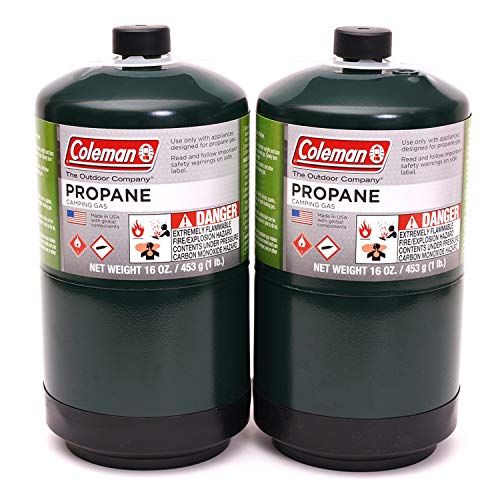
Propane (Green Canisters)
$5 – $15 per 16ozPropane is the most popular fuel for car camping and RVing. It works well in cold weather (down to about -40°F) and is widely available. Ideal for large stoves, grills, and lanterns.
Best for: Car camping, family trips, cold weather.
Butane (Screw-on Canisters)
$3 – $8 per 8ozButane burns clean and hot, making it great for single-burner stoves. However, its performance drops below 40°F. Compact and lightweight, perfect for picnics and mild-weather camping.
Best for: Warm weather, short trips, casual use.
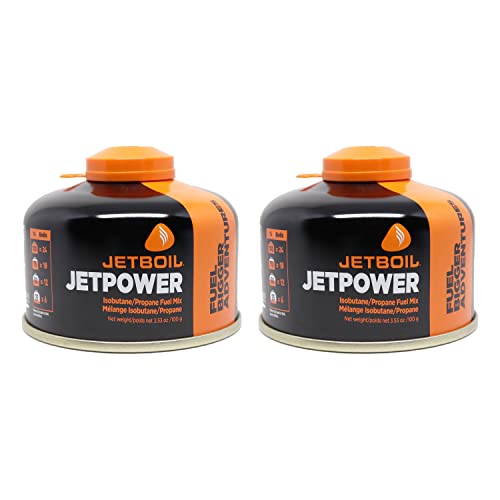
Isobutane (Blended Canisters)
$6 – $12 per 8ozIsobutane is a blend of butane and propane that performs better in cold conditions (down to ~20°F). It's the go-to choice for backpackers and ultralight adventurers due to its high energy density.
Best for: Backpacking, hiking, shoulder seasons.
White Gas (Coleman Fuel)
$10 – $18 per 32ozWhite gas is a liquid fuel that excels in extreme cold and high altitudes. It's highly efficient and refillable, but requires priming and careful handling. Ideal for expedition-style camping.
Best for: Winter camping, high altitude, extended trips.
How to Choose the Right Camping Fuel
Selecting the best camping fuel depends on your stove type, trip duration, and weather conditions. Here's a simple decision framework:
- ✔ Car camping / family trips: Propane is your best bet. It's cheap, widely available, and works in most conditions.
- ✔ Backpacking / ultralight: Isobutane canisters offer the best weight-to-heat ratio. Pair with a lightweight stove.
- ✔ Winter camping / high altitude: White gas or isobutane with a cold-weather blend. Propane also works in extreme cold.
- ✔ Short trips / day hikes: Butane is cheap and convenient, as long as temperatures stay above 40°F.
For more detailed advice, read our guides on backpacking gear and winter camping.
Camping Fuel Safety & Storage
- Ventilation: Never use or refuel stoves inside a tent, vehicle, or enclosed space. Carbon monoxide poisoning is a real risk.
- Storage: Keep fuel canisters in a cool, dry place away from direct sunlight and heat sources. Store upright and secure.
- Transport: Always transport fuel in approved containers. For cars, keep them in a well-ventilated area (like the trunk) and avoid extreme heat.
- Leak Checks: Before attaching a canister, check for damage or leaks. A small spray of soapy water can reveal bubbles.
- Disposal: Empty canisters should be recycled where possible. Never puncture or incinerate them.
For more safety tips, see our camping safety section and campfire safety rules.
Environmental & Performance Tips
Efficiency: Always turn your stove off when not in use. A simmer ring can help conserve fuel. Pre-heat your water or food when possible.
Altitude: At higher elevations, fuel burns less efficiently. Choose a stove that can handle altitude or use a pressure-regulated canister.
Recycling: Many outdoor retailers now offer canister recycling programs. Check with your local store or use a camping reservation app to find nearby disposal sites.
For more on sustainable camping, read our Leave No Trace principles.
Frequently Asked Questions
Can I use butane in cold weather?
Butane vaporizes poorly below 40°F. For cold camping, choose propane or isobutane blends.
How long does a propane canister last?
A standard 16oz propane canister lasts about 2–3 hours of continuous high heat. For cooking, expect 4–6 meals.
Is white gas worth the extra hassle?
Absolutely for winter expeditions and high altitude. It's reliable in extreme cold and can be refilled, reducing waste.
What's the cheapest camping fuel?
Butane is generally the cheapest, but you'll pay more per meal if you need to use more fuel. Propane is also affordable and widely available.
For more answers, visit our camping FAQ section.
Ready to Choose Your Camping Fuel?
Whether you're firing up a camping stove for a backcountry feast or boiling water for coffee at sunrise, the right fuel makes all the difference. Use this guide to select the best option for your trip, and always prioritize safety. Now, go enjoy the great outdoors—with a hot meal in hand!