Propane Lantern Guide: Bright, Reliable Camping Light
Discover why a propane lantern remains a trusted choice for campers who demand powerful, consistent illumination. Learn how to select, operate, and maintain this classic outdoor lighting solution.
Explore Camping LanternsWhy Choose Propane? Unlike battery-powered lights that dim over time, a propane lantern delivers full brightness until the fuel runs out. It also provides warmth, making it ideal for cool evenings. For campers who value reliability and performance, a gas lantern is a worthy investment. If you're looking for other lighting options, consider a rechargeable lantern or a portable lantern for different needs.
What Is a Propane Lantern and Why It Still Matters
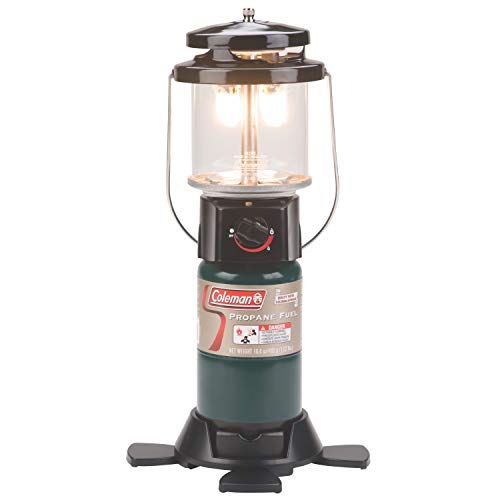
A propane lantern is a portable lighting device that burns propane gas to produce a bright, white light. The gas flows through a mantle—a treated fabric mesh—that glows intensely when heated. This technology has been a camping staple for decades, and for good reason. It offers unmatched brightness, operates independently of batteries or electrical outlets, and functions reliably in cold weather where batteries often fail.
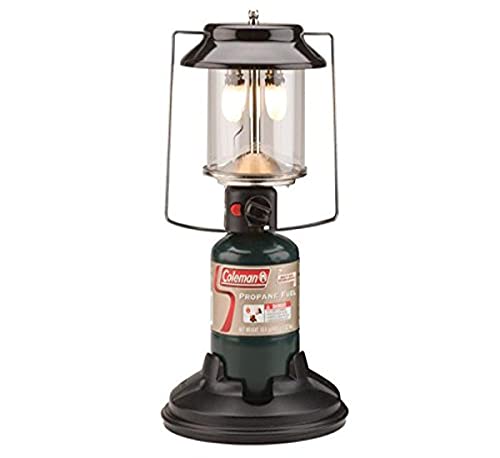
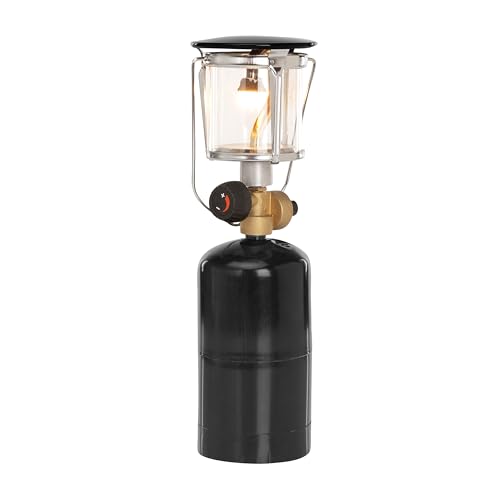
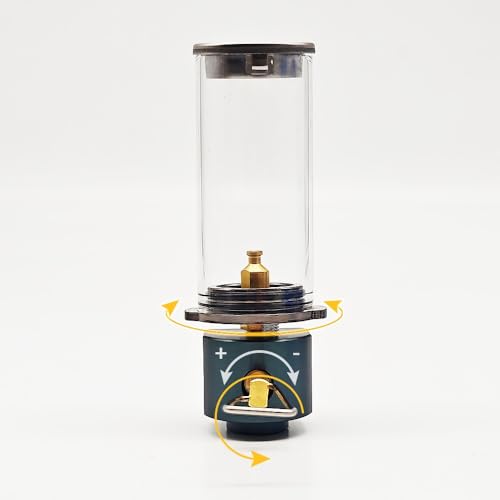
Modern propane lanterns come in various designs, from compact single-mantle models for solo campers to double-mantle units that illuminate large campsites. Many models feature adjustable brightness, piezo igniters, and sturdy bases for stability. Whether you're setting up a small tent for a weekend trip or organizing a group camping adventure, a propane lantern ensures everyone can see clearly after dark.
While LED lanterns have gained popularity, propane models remain superior for certain situations. They produce more lumens per unit, are unaffected by cold temperatures, and double as a heat source. For winter camping or emergency preparedness, a propane lantern is a dependable asset. If you're planning a cold-weather trip, pair it with a butane heater or a camping heater for maximum comfort.
Key Benefits of Propane Lanterns
Exceptional Brightness
Propane lanterns produce 800–1,500 lumens or more, easily lighting a large campsite. This makes them ideal for cooking, playing games, or navigating around camp after sunset.
Reliable in Cold Weather
Unlike batteries that lose capacity in freezing temperatures, propane burns efficiently even in the cold. This makes it a go-to choice for winter camping and camping in a tent during winter.
Dual Purpose: Light and Heat
A propane lantern emits significant heat, helping to take the chill off a tent or campsite. It's a practical addition to your winter camping gear and winter emergency kit.
No Battery Dependency
As long as you have propane canisters, you have light. This eliminates the need to carry spare batteries or worry about charging devices, which is crucial for extended trips and emergency situations.
Long Runtime
A standard 1-pound propane canister can power a single-mantle lantern for 5–8 hours, and larger models can run even longer. This provides consistent illumination throughout the night.
Durable and Weather-Resistant
Built with rugged materials, propane lanterns withstand wind, rain, and rough handling. Many models feature glass globes protected by metal guards, ensuring longevity in the outdoors.
How to Choose the Right Propane Lantern
Selecting a propane lantern involves balancing brightness, size, and features. Here are the key factors to consider:
- Number of Mantles: Single-mantle lanterns are compact and lightweight, ideal for backpacking or small campsites. Double-mantle models produce more light and are better for group camping or basecamps.
- Brightness (Lumens): Entry-level lanterns offer around 800 lumens, while premium models can exceed 1,500 lumens. Consider how much area you need to illuminate.
- Ignition Type: Piezo igniters allow push-button lighting, while manual models require a match or lighter. Piezo is more convenient, especially in windy conditions.
- Fuel Type: Most propane lanterns use standard 1-pound propane canisters, but some can connect to larger tanks via a hose. Ensure compatibility with your existing camping fuel setup.
- Build Quality: Look for sturdy bases, metal guards, and weather-resistant materials. Premium models often feature brass burners and stainless steel components for durability.
- Portability: Consider the weight and packed size if you plan to carry it in a camping backpack or lightest daypack.
When comparing options, think in terms of tiers: entry-level lanterns are budget-friendly and suitable for occasional use; mid-range models offer better build quality and features; premium lanterns provide the highest brightness and durability for serious campers. This classification helps you choose based on your needs without focusing on specific prices.
Propane Lanterns vs. Other Camping Lights
| Feature | Propane Lantern | LED Lantern | Rechargeable Lantern |
|---|---|---|---|
| Brightness | Very High (800–1,500+ lumens) | Moderate to High | Moderate to High |
| Cold Weather Performance | Excellent | Poor (battery drain) | Poor (battery drain) |
| Heat Output | Yes (significant) | No | No |
| Fuel/Battery Dependency | Propane canisters | Batteries | USB charging |
| Runtime | 5–8+ hours per canister | Varies (hours to days) | Varies (hours) |
| Best For | Cold weather, group camping, emergencies | Casual camping, inside tents | Convenience, modern campers |
For a broader look at lighting options, explore our guide to camping lights and tent lights. If you prefer a more traditional ambiance, a camping lamp or camping lantern might suit your style. For those who want a flame-free option, rechargeable lanterns are worth considering.
How to Use a Propane Lantern Safely and Effectively
Using a propane lantern is straightforward, but following proper procedures ensures safety and optimal performance:
- Inspect the Lantern: Check the mantle, glass globe, and connections for damage before each use. Replace worn mantles promptly.
- Attach the Propane Canister: Screw the canister onto the lantern's valve until snug. Do not over-tighten.
- Open the Valve: Slowly open the fuel valve and listen for the hiss of gas. If you smell propane, close the valve immediately and check for leaks.
- Light the Lantern: Use a piezo igniter or a match to light the mantle. If using a match, hold it near the mantle before opening the valve slightly.
- Adjust Brightness: Once lit, adjust the valve to achieve the desired brightness. A steady, bright glow indicates proper operation.
- Position Safely: Place the lantern on a stable, heat-resistant surface. Keep it away from flammable materials, tent walls, and children.
- Turn Off: Close the fuel valve completely and allow the lantern to cool before packing.
Always operate propane lanterns in well-ventilated areas. Never use them inside a tent or enclosed space due to the risk of carbon monoxide buildup. For safety guidelines, review our campfire safety rules and emergency preparedness resources. If you're camping in bear country, follow food storage rules and keep a clean campsite.
Maintenance Tips for Longevity
Proper maintenance extends the life of your propane lantern and ensures safe operation:
- Replace Mantles Carefully: Mantles are fragile. Handle them gently and replace them when they develop holes or become brittle.
- Clean the Glass Globe: Remove soot and debris with a soft cloth and mild soap. Avoid abrasive cleaners that can scratch the glass.
- Check for Leaks: Periodically inspect the valve, hose, and connections for leaks using soapy water. Bubbles indicate a leak.
- Store Properly: Disconnect the propane canister and store the lantern in a dry, cool place. Use a carrying case to protect it during transport.
- Inspect the Burner: Clean the burner tube and air intake to prevent clogs that can affect performance.
For more tips on keeping your gear in top shape, see our guides on how long tents last and tent waterproofing. If you're preparing for cold weather, check out winter camping safety and frostbite prevention.
Frequently Asked Questions
No. Propane lanterns produce carbon monoxide, which can be deadly in enclosed spaces. Always use them outdoors or in well-ventilated areas. For tent lighting, opt for a battery-powered or rechargeable lantern designed for indoor use.
A standard 1-pound propane canister typically provides 5 to 8 hours of light on a single-mantle lantern, depending on the brightness setting. Double-mantle models may consume fuel faster.
Most propane lanterns are designed to withstand light rain, but heavy downpours can extinguish the flame or damage the mantle. Use a lantern with a protective guard or place it under a shelter. For rainy trips, consider a tent setup in the rain guide.
Propane lanterns are more powerful and perform better in cold weather. Butane lanterns are lighter and more compact but less efficient in low temperatures. For cold-weather camping, propane is the better choice. You might also consider a butane heater for warmth.
Empty propane canisters should be recycled according to local regulations. Many outdoor retailers accept them for recycling. Never puncture or throw them in regular trash. For more on responsible camping, see our Leave No Trace principles.
Ready to Light Up Your Campsite?
Explore our recommended propane lanterns and other camping essentials to make your next adventure bright and memorable.
View Recommended GearFinal Thoughts
A propane lantern is more than just a light source—it's a reliable companion for countless outdoor adventures. Its ability to deliver bright, consistent light and warmth in any condition makes it an invaluable addition to your camping gear. Whether you're a seasoned camper or just starting out, investing in a quality propane lantern ensures you're never left in the dark. Remember to prioritize safety, follow maintenance guidelines, and choose a model that matches your camping style. For more insights, explore our camping FAQ and first-time camping tips.