Propane Portable Gas Stove: The Complete Guide
Everything you need to know before buying a propane portable gas stove. Compare types, understand safety, and find the perfect model for your outdoor cooking needs.
Why a Propane Portable Gas Stove Is a Camping Essential
A propane portable gas stove is one of the most versatile and reliable pieces of outdoor cooking equipment you can own. Unlike campfires that depend on dry wood and favorable weather, a propane stove delivers instant, controllable heat at the turn of a knob. Whether you are boiling water for coffee at sunrise, simmering a stew after a long hike, or preparing a full breakfast for a family of four, a portable gas stove makes outdoor cooking predictable and enjoyable.
Propane is the fuel of choice for most portable camping stoves because it is widely available, burns cleanly, and performs well in a broad range of temperatures. Small 1-pound propane cylinders are sold at nearly every outdoor retailer, hardware store, and even many grocery stores, making refueling simple. For longer trips, you can connect your stove to a larger refillable propane tank using an adapter hose, which is both economical and environmentally friendly.
If you are new to camping and still building your gear list, a propane stove should sit near the top of your priorities alongside a reliable tent and a comfortable sleeping bag for cold weather. A stove transforms your campsite into a functional outdoor kitchen, giving you the freedom to cook real meals instead of relying on cold snacks.
Quick Tip: Always check the BTU output when comparing propane portable gas stoves. Higher BTU means faster boiling and more intense heat, which is useful for large groups or windy conditions. However, a lower-BTU stove gives you finer simmer control, which matters for sauces and rice.
Types of Propane Portable Gas Stoves
Not all portable gas stoves are built the same. Understanding the main categories helps you match a stove to your camping style, group size, and cooking ambitions.
Single-Burner Stoves
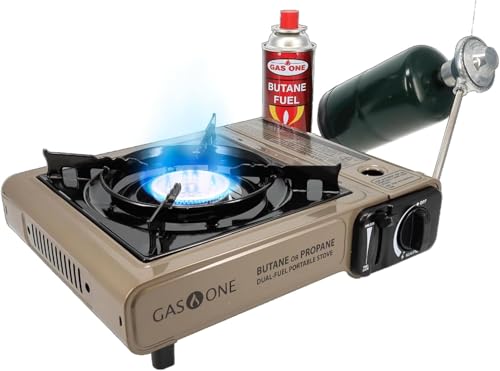
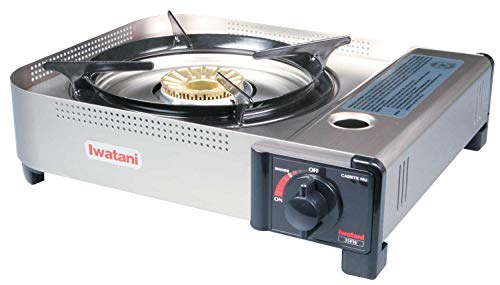
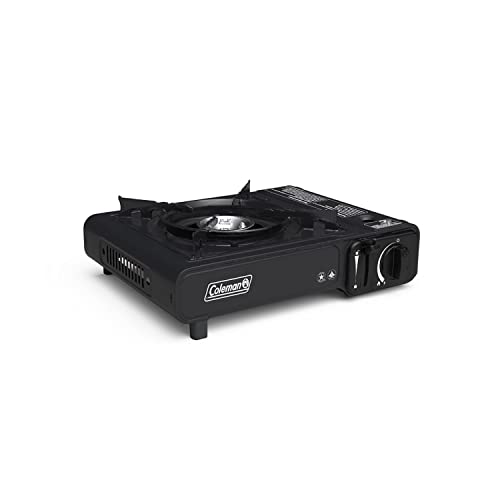
Single-burner models are the lightest and most compact option. They are ideal for solo campers, backpackers, and anyone who primarily needs to boil water or prepare simple one-pot meals. A single burner propane camp stove typically screws directly onto a 1-pound propane cylinder, creating an ultra-portable cooking system that fits in a small backpack pocket. These stoves are entry-level in terms of cooking capacity but can be surprisingly powerful.
Two-Burner Stoves
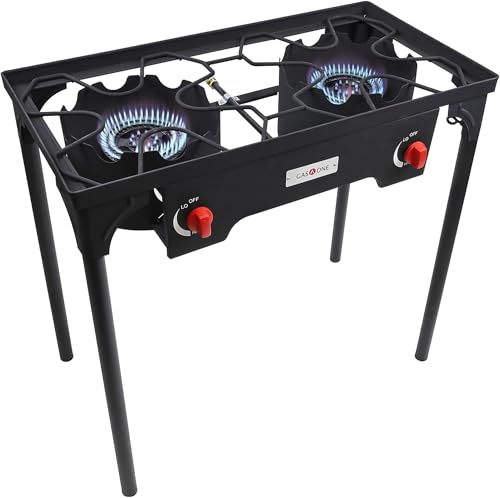
Two-burner stoves are the standard for car camping, family trips, and basecamp cooking. They offer enough space to cook two dishes simultaneously, which dramatically reduces meal preparation time. A 2 burner camping stove usually runs on a 1-pound cylinder or a larger propane tank via an adapter hose. These stoves are mid-range in weight and size but deliver the cooking experience closest to a home kitchen. Many models include wind baffles, drip trays, and push-button ignition.
Multi-Burner & Specialty Stoves
For large groups or serious outdoor chefs, multi-burner stoves and combination units offer even more capability. Some models integrate a grill and a stove, while others include a griddle or a dedicated simmer burner. These are premium-tier products designed for extended trips and gourmet camp cooking. They are heavier and require more setup, but they deliver unmatched versatility.
Indoor-Safe Propane Stoves
Some propane stoves are engineered for indoor use, such as in cabins, RVs, or emergency preparedness kits. An indoor portable gas stove must meet specific safety standards for ventilation and carbon monoxide output. Never use a standard outdoor camping stove indoors—it can produce dangerous levels of carbon monoxide. Always read the manufacturer's guidelines carefully.
Pros and Cons of Propane Portable Gas Stoves
Advantages
- Instant, adjustable heat with precise simmer control
- Propane is widely available and easy to transport
- Clean-burning fuel leaves no ash or soot
- Works in wind and rain with proper shielding
- No need to gather or split firewood
- Compact models fit in a backpack or car trunk
- Many stoves include auto-ignition and wind baffles
Limitations
- Requires carrying fuel canisters or tanks
- Performance drops in extreme cold unless using a winter blend
- Disposable cylinders create waste (refillable tanks are better)
- Larger stoves take up significant space
- Carbon monoxide risk if used in enclosed spaces
- Fuel can run out at inconvenient times—always pack a spare
How to Choose the Right Propane Portable Gas Stove
Selecting the best propane stove comes down to four key factors: group size, cooking style, portability, and fuel logistics.
1. Match Burner Count to Group Size
For one or two people, a single burner is often sufficient. For families or groups of three or more, a two-burner stove saves time and lets you cook complete meals. If you frequently camp with a large group, consider a stove with three or more burners or bring along a full set of camping cooking gear to complement your stove.
2. Consider BTU Output and Simmer Control
BTU (British Thermal Units) measure heat output. Entry-level stoves often produce around 8,000–10,000 BTU per burner, while high-end models can exceed 20,000 BTU. Higher output boils water faster and handles wind better. However, if you cook delicate foods, look for a stove with a wide simmer range. Mid-range and premium stoves typically offer the best balance of power and control.
3. Prioritize Portability and Setup
If you have limited trunk space or plan to backpack, a compact single-burner stove is the clear choice. If you car camp, a two-burner stove with a carrying handle and folding legs is convenient. Look for features like a dedicated cooking burner design that distributes heat evenly and is easy to clean.
4. Plan Your Fuel Strategy
Disposable 1-pound propane cylinders are convenient but generate waste and cost more per ounce of fuel. A portable gas stove with a refillable tank is a better long-term investment. Adapter hoses let you connect standard camping stoves to 20-pound BBQ tanks, which can last an entire season of camping.
Propane Stove Comparison by Tier
The table below compares stove categories using universal quality descriptors instead of prices. This helps you understand the relative positioning of each tier without relying on transient market numbers.
| Feature | Entry-Level | Mid-Range | Premium |
|---|---|---|---|
| Burner Output | 8,000–10,000 BTU | 10,000–15,000 BTU | 15,000–20,000+ BTU |
| Simmer Control | Basic, limited range | Good, consistent | Excellent, precise |
| Ignition | Manual match | Push-button | Auto-ignition |
| Wind Resistance | Minimal | Moderate baffles | Full wind shielding |
| Build Quality | Lightweight materials | Sturdy stainless steel | Heavy-duty, premium metals |
| Portability | Ultra-compact | Moderate, folding | Larger, case included |
| Best For | Solo, emergency kits | Car camping, families | Groups, gourmet cooking |
Note: BTU ratings are approximate and vary by model. Always check manufacturer specifications.
Propane Stove Safety: What Every Camper Must Know
Propane is a safe and reliable fuel when handled correctly, but negligence can lead to serious accidents. Follow these essential safety rules every time you use your portable gas stove.
- Never use a propane stove inside a tent, vehicle, or enclosed space
- Always check connections for leaks using soapy water before lighting
- Keep the stove on a flat, stable surface away from flammable materials
- Store propane cylinders upright and away from heat sources
- Turn off the fuel valve before attempting to disconnect the cylinder
- Never leave a lit stove unattended
- Keep a fire extinguisher or water source nearby
- Allow the stove to cool completely before packing it away
Carbon monoxide (CO) is an invisible, odorless gas produced by incomplete combustion. Even a well-maintained stove can produce CO, which is why ventilation is critical. If you ever feel dizzy, nauseous, or develop a headache while cooking, move to fresh air immediately and seek medical attention if symptoms persist. For more detailed information on outdoor safety, review our wilderness first aid guide and common camping injuries resource.
Getting the Most from Your Propane Stove
A portable gas stove is only as good as the cook using it. These practical tips will help you cook better meals outdoors with less frustration.
Preheat and Use the Right Cookware
Give your stove a minute or two to preheat before adding food. Use cookware with a flat, heavy bottom that makes full contact with the burner grate. Thin, warped pans waste heat and create hot spots. Cast iron and heavy-gauge stainless steel are excellent choices for camp cooking.
Manage Wind and Weather
Wind is the enemy of any outdoor stove. Even a light breeze can steal heat and extend cooking times. Position your stove behind a natural windbreak, use the stove's built-in baffles, or invest in a folding windscreen. If you are camping in the rain, a tarp or canopy overhead will keep your cooking area dry and functional.
Plan Meals Around Your Burners
If you have a two-burner stove, use one burner for the main dish and the other for a side or sauce. With a single burner, choose one-pot recipes that combine protein, vegetables, and grains. Explore our healthy camping meal ideas and easy camping lunch meals for inspiration.
Frequently Asked Questions
Ready to Upgrade Your Camp Kitchen?
Browse our curated selection of top-rated propane portable gas stoves and find the perfect match for your next adventure.
View Recommended Stoves ↓Related Camping Guides
Expand your outdoor knowledge with these helpful resources: