Pressure Cooker 8 Quart: The Complete Guide for Home Cooks
Everything you need to know about choosing, using, and mastering an 8-quart pressure cooker — perfect for families, meal prep, and large-batch cooking.
START READINGWhy 8 quarts? An 8-quart pressure cooker is the sweet spot for families of 4–6 people, batch cooking, and even small-scale canning. It offers generous capacity without the bulk of a 10- or 12-quart model, making it a versatile workhorse for any kitchen.
Why an 8-Quart Pressure Cooker Might Be Your Best Choice
If you've ever struggled to fit a whole chicken, a large batch of chili, or enough bone broth to last the week into a standard 6-quart cooker, an 8-quart pressure cooker solves that problem. It's the ideal size for feeding a family, preparing meals ahead, and even pressure canning smaller jars. Unlike smaller units, it lets you cook once and eat for days — a huge time-saver for busy households.
Beyond capacity, the 8-quart size works with a wider range of recipes. You can brown a large roast directly in the pot, stack a steamer basket with vegetables, or cook a whole grain dish while simultaneously preparing a main course. For anyone serious about batch cooking or meal prep, this size is a game-changer. If you're also looking to upgrade your outdoor cooking setup, consider pairing your indoor pressure cooker with a reliable camping stove for adventures beyond the kitchen.
Key Features to Look For in an 8-Quart Pressure Cooker
🔒 Safety Mechanisms
Modern 8-quart pressure cookers come with multiple safety systems: lid locking, pressure regulation, and overheat protection. Look for models with a reliable steam release valve and a secure locking mechanism. These features are non-negotiable for safe operation.
⚡ Electric vs. Stovetop
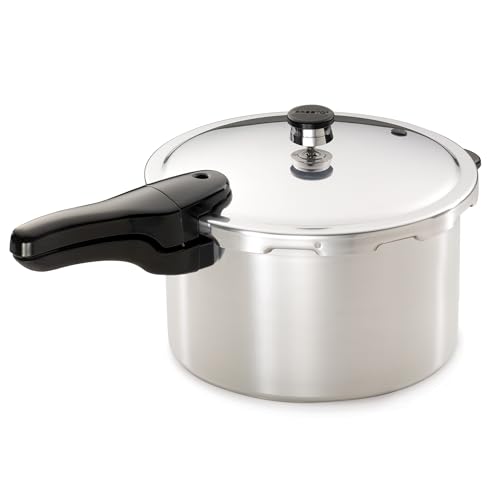
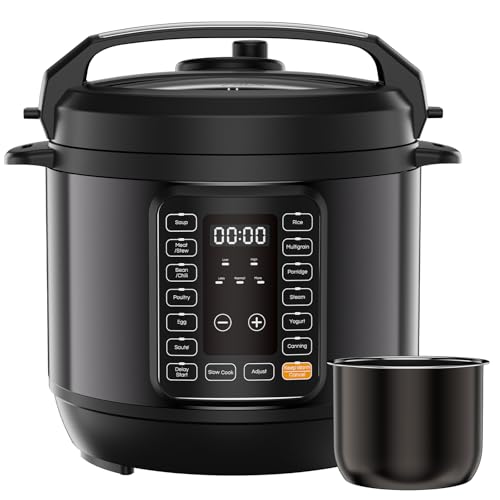
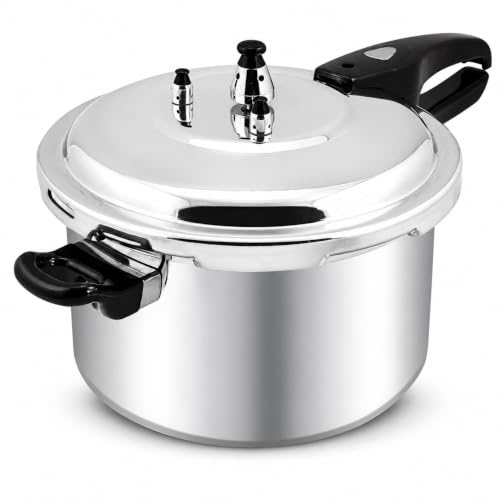
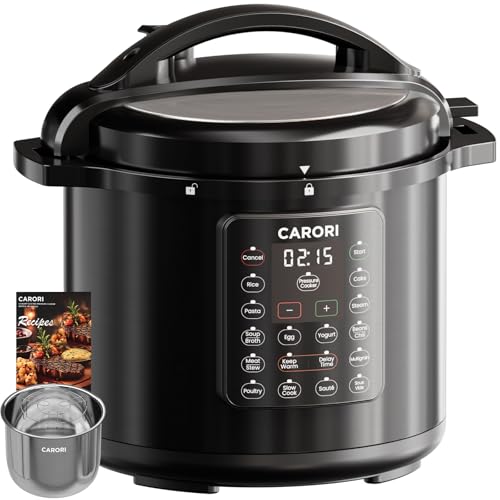
Electric models offer set-and-forget convenience with programmable presets, while stovetop versions give you more control and tend to reach higher pressures. Your choice depends on your cooking style and whether you prefer hands-off operation.
🍲 Cooking Presets
Many electric 8-quart cookers include presets for rice, soup, beans, meat, and yogurt. These take the guesswork out of timing and make the appliance more versatile for everyday cooking.
🧼 Ease of Cleaning
A removable inner pot (often dishwasher-safe) and a detachable lid make cleanup much easier. Stainless steel inner pots are durable and don't retain odors, while non-stick options are easier to wipe clean but require gentler handling.
📏 Height and Footprint
An 8-quart cooker is larger than a 6-quart model, so measure your cabinet space and countertop before buying. Most models are around 13–14 inches tall, so check clearance under your kitchen cabinets.
🔌 Wattage and Power
Electric 8-quart pressure cookers typically draw 1000–1200 watts. Ensure your kitchen outlets can handle the load, especially if you're using other appliances simultaneously.
8-Quart Pressure Cooker Comparison: Electric vs. Stovetop
| Feature | Electric 8-Quart | Stovetop 8-Quart |
|---|---|---|
| Operation | Set-and-forget, programmable | Manual heat control required |
| Pressure Level | Typically 10–12 PSI | Can reach 15 PSI (better for canning) |
| Safety Features | Advanced (auto shut-off, lock indicators) | Basic (pressure regulator, safety valve) |
| Cookware Versatility | Inner pot is the only cooking vessel | Pot can be used on any stovetop |
| Portability | Needs a power outlet | Works on gas, electric, and induction |
| Best For | Busy households, beginners, meal prep | Experienced cooks, canning, high-altitude |
| Tier Classification | Entry-level to premium | Budget-friendly to high-end |
What Can You Cook in an 8-Quart Pressure Cooker?
The 8-quart capacity opens up a world of possibilities. Here are some of the most popular uses:
- Large-batch soups and stews — enough to feed a crowd or freeze for later
- Whole chickens and large roasts — cooks evenly and stays juicy
- Bone broth — extract maximum flavor and nutrients from bones
- Dried beans and legumes — no soaking required, ready in under an hour
- Rice and grains — perfect for meal prep portions
- Yogurt — many electric models have a yogurt-making function
- Small-batch canning — stovetop models can handle this with proper precautions
If you enjoy cooking outdoors, you might also be interested in our guide to camping cooking pot sets for portable meal preparation. And for those who love combining indoor convenience with outdoor adventures, a good camping gear for cooking setup can complement your pressure cooker perfectly.
Pros and Cons of an 8-Quart Pressure Cooker
✅ Advantages
- Generous capacity for families and batch cooking
- Reduces cooking time by up to 70% compared to conventional methods
- Retains more nutrients than boiling or frying
- Versatile — can sauté, steam, slow cook, and pressure cook
- Ideal for meal prep and freezer-friendly recipes
- Energy-efficient compared to using multiple pots and pans
⚠️ Considerations
- Takes up more cabinet and counter space than smaller models
- Heavier when full — consider lifting carefully
- Requires a learning curve for pressure cooking beginners
- Electric models need a nearby power outlet
- Not all models are suitable for pressure canning
- Initial investment can be higher than basic cookware
Tips for Getting the Best Results
Whether you're new to pressure cooking or upgrading to an 8-quart model, these tips will help you get consistent, delicious results:
- Don't overfill — never exceed the maximum fill line (usually ⅔ full for liquids, ½ for foods that expand)
- Use enough liquid — pressure cooking requires a minimum amount of liquid to build steam
- Natural release vs. quick release — natural release is better for meats and grains; quick release works for vegetables
- Brown first for flavor — use the sauté function or stovetop to sear meats before pressure cooking
- Keep a log — note cooking times and liquid amounts for your favorite recipes to refine your process
- Clean the valve regularly — a clogged valve can affect performance and safety
For those who enjoy outdoor cooking, our guide on cooking utensils for camping can help you organize your portable kitchen. And if you're planning a camping trip, don't miss our camping gear for families recommendations.
Ready to Find Your Perfect 8-Quart Pressure Cooker?
Explore our top-rated recommendations below and start cooking faster, healthier meals for your family today.
VIEW TOP PICKS →Frequently Asked Questions
Is an 8-quart pressure cooker too big for a family of four?
Not at all. An 8-quart cooker is actually ideal for a family of four, especially if you like leftovers or meal prep. It allows you to cook a whole chicken, a large pot of soup, or enough rice for several meals at once. If you have a small kitchen with limited storage, a 6-quart might be more practical, but for most families, 8 quarts is a versatile sweet spot.
Can I use an 8-quart pressure cooker for canning?
It depends on the model. Stovetop pressure cookers that reach 15 PSI are generally suitable for pressure canning low-acid foods. However, many electric pressure cookers are not approved for canning because they don't reach or maintain the required pressure. Always check the manufacturer's guidelines before attempting to can in any pressure cooker.
How long does it take to cook dried beans in an 8-quart pressure cooker?
Cooking times vary by bean type, but as a general rule, unsoaked beans cook in 25–40 minutes at high pressure, followed by a natural release. Soaked beans take about 15–20 minutes. The 8-quart capacity lets you cook a large batch at once, which is perfect for freezing portions.
What's the difference between an 8-quart and a 6-quart pressure cooker?
The main difference is capacity. An 8-quart model can hold roughly 33% more food than a 6-quart model. This means you can cook larger cuts of meat, bigger batches of soup, and more meal-prep portions. The trade-off is a larger footprint and slightly heavier weight. Choose based on your household size and cooking habits.
Are 8-quart pressure cookers safe?
Yes, modern pressure cookers are extremely safe when used correctly. They come with multiple safety mechanisms including lid locks, pressure regulators, and overheat protection. The key is to follow the manufacturer's instructions, never overfill the pot, and ensure the steam release valve is clean and functional.