Camp Land Guide: Find Your Perfect Outdoor Retreat
Explore the best camp land destinations, from serene state campgrounds to full-service RV resorts. Find your ideal spot for tent camping, RV adventures, or a peaceful escape into nature.
EXPLORE CAMP LANDWhat is Camp Land? Camp land refers to any designated area for camping, whether it's a public campground, a private RV park, or a remote wilderness area. Choosing the right camp land is crucial for a great outdoor experience, as it determines your access to amenities, activities, and the type of adventure you'll have.
Why Choosing the Right Camp Land Matters
The camp land you choose sets the tone for your entire trip. A well-chosen campground can offer stunning views, convenient amenities, and easy access to outdoor activities like hiking, fishing, or swimming. For families, a campground with a playground and clean restrooms is essential. For solo adventurers, a remote, quiet spot might be preferable. Understanding the different types of camp land available will help you make an informed decision.
If you're looking for a structured environment with hookups and facilities, a private campground resort or an RV site is a great choice. For a more natural experience, consider a state campground or a camping park. If you're seeking solitude, you might explore BLM camping or boondocking on public lands. Each type of camp land offers a different experience.
Types of Camp Land to Suit Every Adventure
1. Public Campgrounds (State & National Parks)
Public campgrounds are often located in scenic areas with access to hiking trails, lakes, and historic sites. They are typically affordable and offer basic amenities like restrooms, fire rings, and picnic tables. Popular examples include Neshonoc Campground and Palomar Camping. These campgrounds are great for families and those who want a balance of nature and convenience. Be sure to check parks reservation systems to book your spot early.
2. Private Campgrounds & RV Resorts
Private campgrounds and RV resorts offer more amenities, such as full hookups, Wi-Fi, swimming pools, and organized activities. They are ideal for RVers and those who prefer a more comfortable camping experience. Examples include Lakeshore RV and Country RV resorts. These locations often have RV hookups and are perfect for extended stays. Some even offer campground rentals for long-term visitors.
3. Wilderness & Dispersed Camping
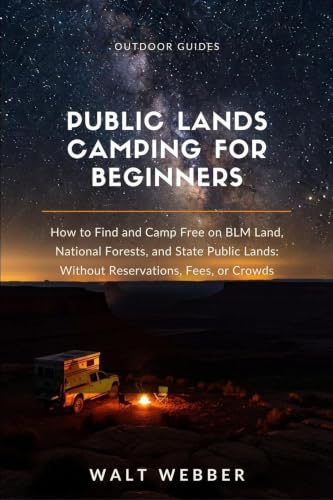
For a truly off-grid experience, consider dispersed camping on BLM land or in national forests. This type of camp land is free but offers no amenities. You'll need to be self-sufficient, packing in all your supplies and packing out all your waste. This is a great option for boondocking RVers and adventurous tent campers. Always follow Leave No Trace principles.
4. Specialty Campgrounds
There are also specialty campgrounds, such as military campgrounds for active duty and retired military personnel, and Carolina campgrounds that offer unique coastal experiences. Some campgrounds are designed for specific activities, like river camping or seaside camping. For a unique stay, you might consider a tree tent or a house yurt within a campground.
Key Features to Consider When Choosing Camp Land
- Location: How far do you want to travel? Do you want to be near a lake, a river, or a mountain? Consider the camping destinations that appeal to you.
- Amenities: What amenities are important to you? Full hookups, showers, restrooms, and laundry facilities are available at many private campgrounds. Public campgrounds may have fewer amenities.
- Activities: What do you want to do? Hiking, fishing, swimming, or simply relaxing? Choose a camp land that offers the activities you enjoy.
- Season: Some campgrounds are only open seasonally. Check opening dates and make reservations in advance, especially for popular SoCal campgrounds or coastal campgrounds.
- Price Tier: Camp land ranges from free dispersed camping to luxury glamping resorts. Determine your budget and choose accordingly. Public campgrounds are often budget-friendly, while private resorts are mid-range to luxury.
Before you go, check the campfire regulations for the area. If you're camping in bear country, follow food storage rules. Always have a camping first aid kit and a way to communicate in an emergency, such as a satellite communicator.
Tips for an Unforgettable Camping Experience
To make the most of your time on camp land, follow these tips:
- Reserve Early: Popular campgrounds fill up quickly, especially on weekends and holidays. Use camping reservation apps to book your spot.
- Pack Smart: Bring only what you need. A camping list can help you stay organized. Don't forget essentials like a camping headlamp and a portable power station.
- Set Up Camp Properly: Choose a level spot for your tent. If you're using a camping canopy or a portable canopy, secure it against the wind. Practice Leave No Trace principles.
- Be a Good Neighbor: Respect quiet hours and keep your campsite clean. Store food properly to avoid attracting wildlife.
- Enjoy the Outdoors: Take time to explore the area. Go for a hike, try fishing, or simply relax by the campfire. A campfire safety refresher is always a good idea.
For those who enjoy a bit of luxury, consider a campground with a sauna tent or a water hut. If you're traveling with a pet, check if the campground is pet-friendly and review camping with dogs rules.
Camp Land Etiquette and Stewardship
As a visitor to camp land, it's your responsibility to protect and preserve the environment. Follow these guidelines:
- Pack It In, Pack It Out: Leave no trace of your visit. Take all trash and belongings with you.
- Stay on Designated Trails: Avoid creating new paths, which can damage vegetation.
- Respect Wildlife: Observe animals from a distance. Never feed wildlife. Store food securely.
- Be Mindful of Fire: Use existing fire rings and follow all fire regulations. Always have a way to extinguish your fire.
- Be Considerate: Keep noise levels down, especially during quiet hours. Respect other campers' privacy.
For emergency preparedness, review emergency preparedness camping guidelines. Know what to do if lost and how to use emergency SOS signals. Always check camping weather alerts before heading out.
Related Guides: Explore our camping checklists to ensure you pack everything you need. If you’re new to camp cooking, our first time camping tips are a great starting point. For more advanced setups, see camping kitchen ideas and camping cookware recommendations.